Roof leak repair after solar panels: who pays for repairs
12 November 2026 · 12 min read
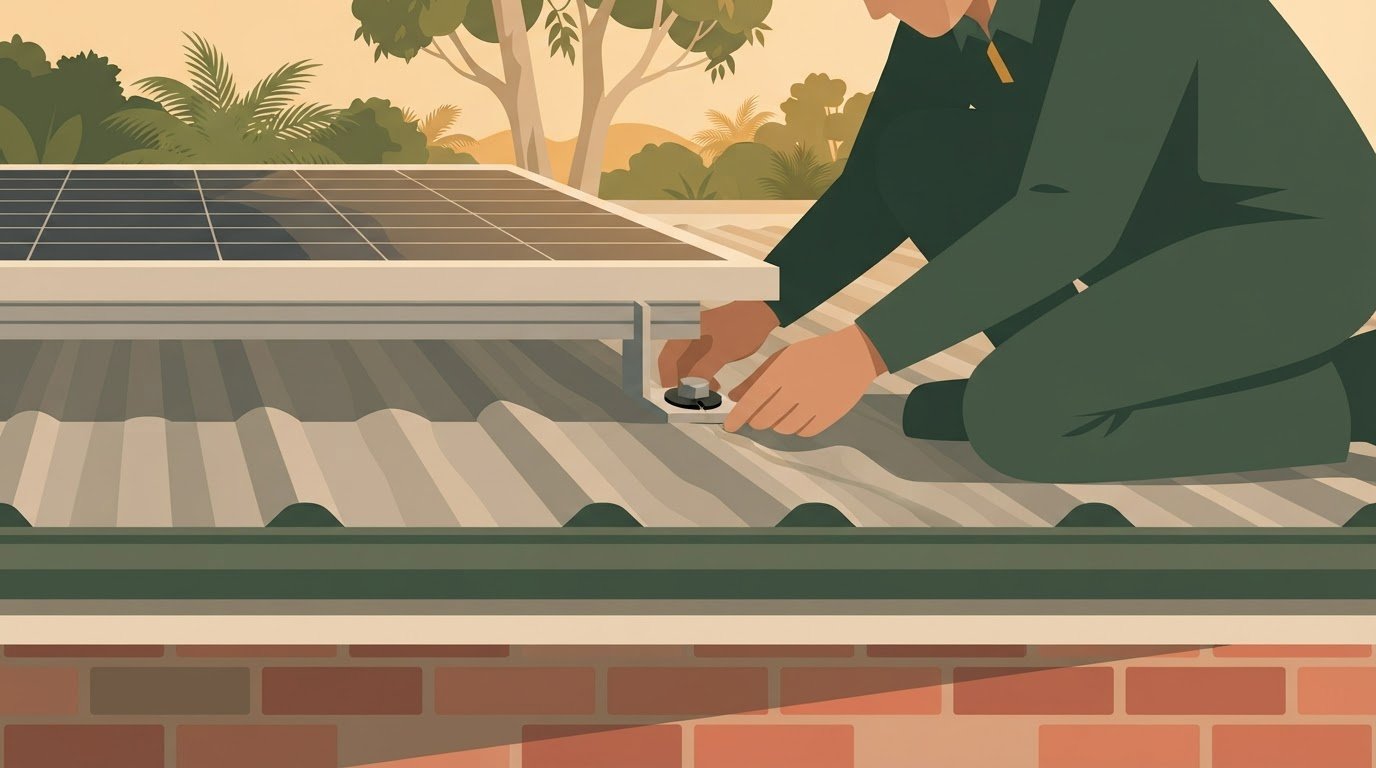
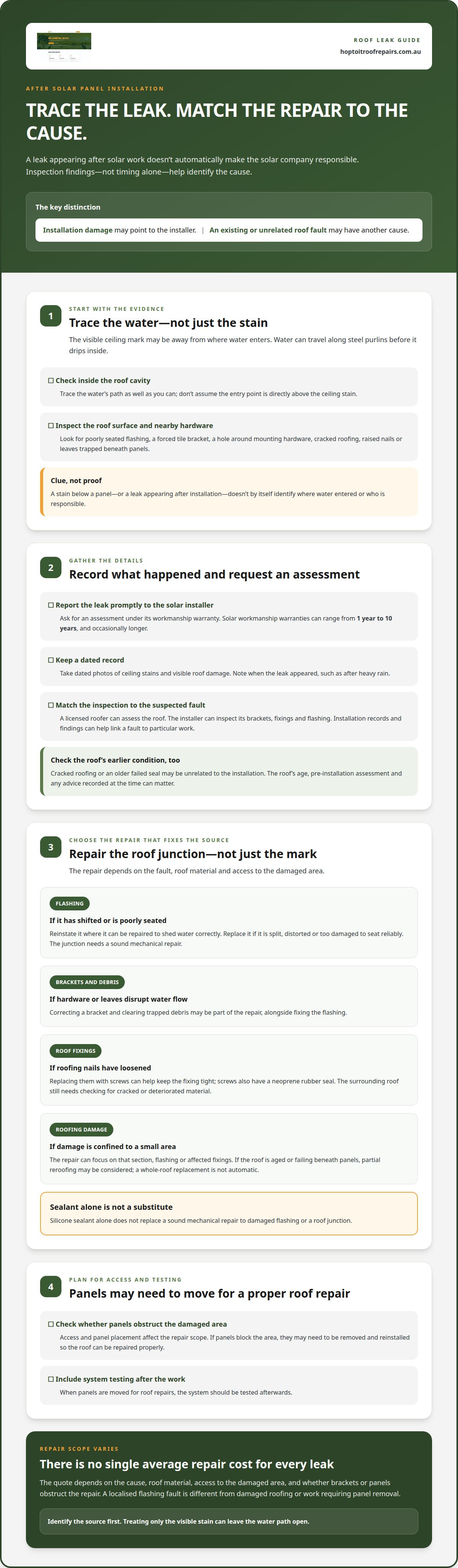
A leak after solar work doesn’t automatically make the solar company responsible. For roof leak repair after solar panel installation, responsibility depends on what caused the leak: installation damage may point to the installer, while an unrelated or pre-existing roof fault may have another cause. Timing alone doesn’t establish fault.
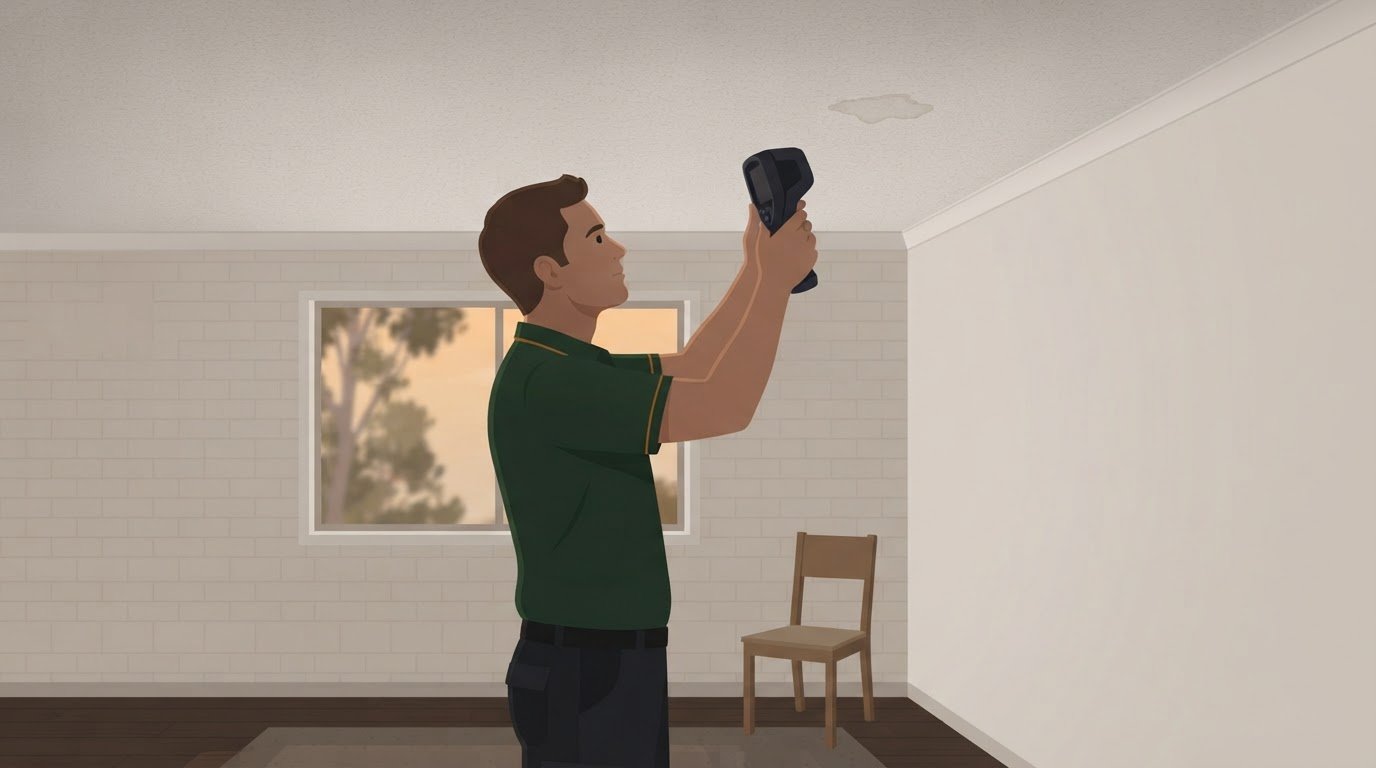
It’s reasonable to expect the company that worked on the roof to put things right if its work caused the problem. The first step is to identify where water is entering and trace its path, which may differ from where it appears inside.
Here, you’ll learn what can cause a leak after panels are installed, how responsibility is assessed and what repairs may involve. You’ll also see when damaged flashing or brackets can be repaired in place, and when panels may need to be moved so the roof can be repaired properly and the system tested afterwards.
Key Takeaways
- Responsibility depends on whether the leak stems from installation damage or an existing roof issue; the leak’s timing alone doesn’t prove the cause.
- Trace the water’s path, including inside the roof cavity, because the visible stain may be well away from the entry point.
- Repairs may involve correcting brackets, clearing trapped debris or replacing damaged flashing, rather than relying on surface sealant alone.
- When panels obstruct access to the damaged area, they may need to be removed and reinstalled so the roof can be repaired and the system tested.
But wait, can my solar company charge me to repair the roof after the leak?
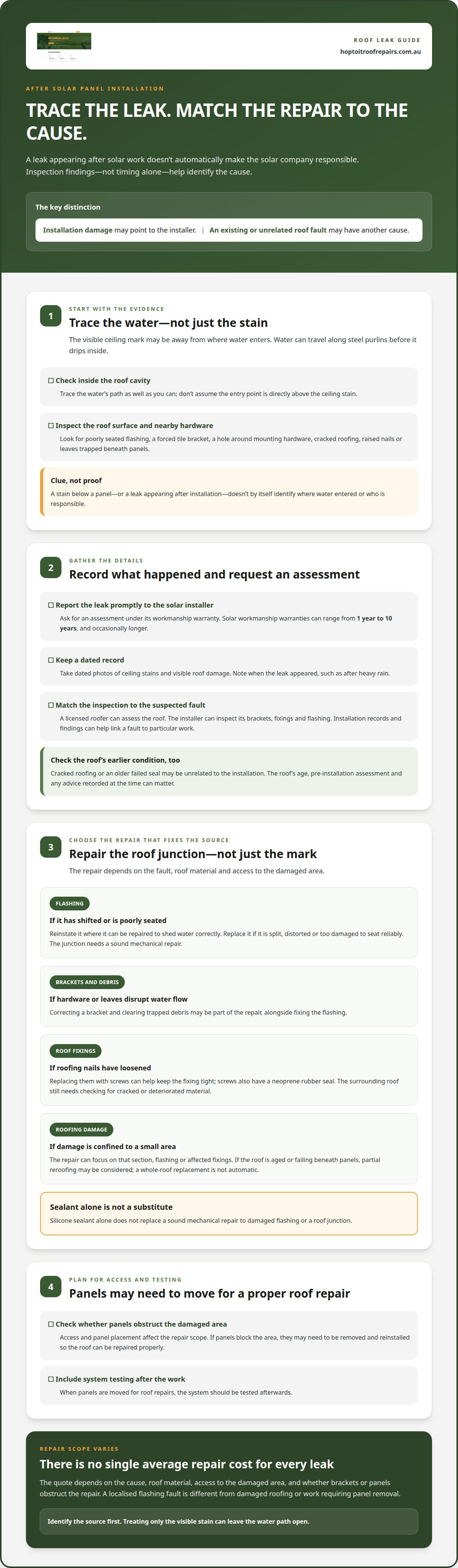
A charge may apply if the leak comes from an existing roof fault rather than the installation. For roof leak repair after solar panel installation, responsibility depends on the inspection findings. Timing alone doesn’t prove fault: water may enter away from the panels, then travel along steel purlins before appearing inside.
Reporting leaks and seeking warranty repairs
Report a leak to the solar installer promptly and ask for an assessment under its workmanship warranty. Solar workmanship warranties can range from 1 year to 10 years, and occasionally longer. Send dated photos of ceiling stains and visible roof damage, and note when the leak appeared, such as after heavy rain. This record can help establish whether installation work may be involved.
A licensed roofer can assess the roof, while the installer can inspect its brackets, fixings and flashing. The right assessment depends on the suspected fault: installation-related damage points towards the installer, while cracked roofing or an older failed seal may have another cause. Roof leak repair after solar panel installation should start by identifying the source, not assuming the panels caused it. A ceiling stain and its timing alone don’t identify the entry point.
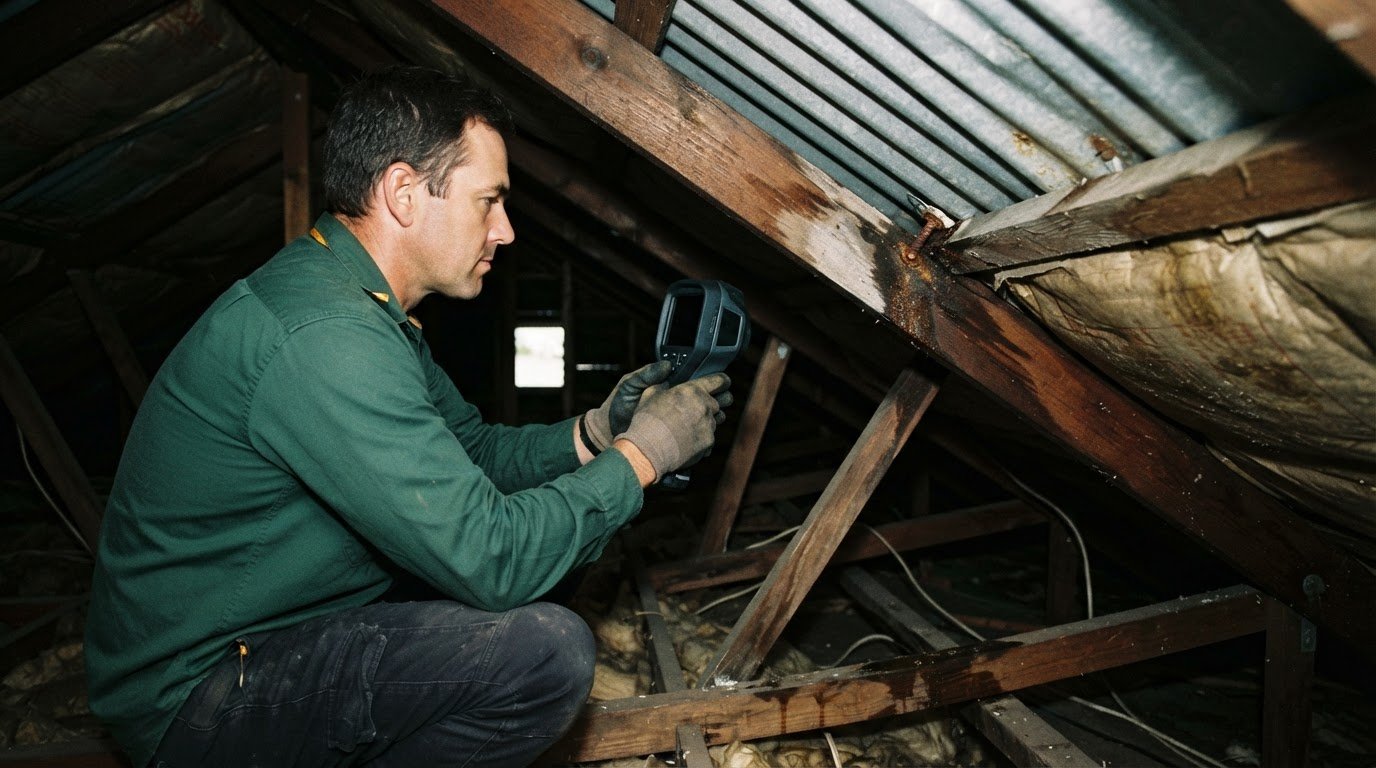
Trace water from inside the roof cavity as well as from the roof surface. A stain below a panel may come from elsewhere, because water can run along a purlin before dripping. Look for poorly seated flashing, a forced tile bracket, a hole around mounting hardware, cracked roofing or leaves trapped beneath panels. These faults can let water pass beneath tiles or sheets.
Repair costs for solar-related roof leaks
There isn’t one average repair cost that fits every solar-related leak. The work depends on the cause, roof material, access to the damaged area and whether brackets or panels obstruct the repair. A localised flashing fault differs from damaged roofing or a leak that requires panel removal. These details determine the scope and quote.
To reduce leak risk, assess the roof before installation and address ageing materials or failed seals first. Properly seated flashing and sealed mounting holes help keep water out. Report any new ceiling stain promptly so the source can be traced before more water enters the roof cavity.
Why Is My Roof Leaking After Solar Panel Installation?
A leak can stem from new fixings or a roof already nearing failure. Raised nails and failed seals offer clues, but the roof’s age and installation records matter too.
Raised nails and failed roof seals
Roofing nails can work loose from timber over time. A raised nail can lift a sheet or tile edge, creating a path for rain. Solar installation may also involve holes through rafters for mounting hardware. Each penetration needs an effective seal.
Water near a fixing calls for an inspection of the surrounding roof material and underside. The panel itself may not be faulty. Compare the affected area with installation records and look for older deterioration, such as a split roof sheet or a loose nail beyond the panel array. Water can appear away from its entry point.
Workmanship and roofing warranties
An installer’s workmanship warranty concerns defects in its work. A roofing warranty may cover separate roof work. Their coverage differs, so the cause of the leak matters when determining which warranty may apply. Installation records and inspection findings help link the fault to specific work.
The roof’s condition before installation matters too. If an assessment finds that the roof is aged, specialists may advise re-roofing first. If the homeowner proceeds with the original roof after being warned about risks, the solar company may decline liability for later roof damage. That makes a pre-installation assessment and a clear record of any advice valuable.
For an older roof, resolve existing faults before solar hardware adds new penetrations. If water appears after installation, roof leak detection can help identify the entry point and guide the repair scope.
Repairing or replacing damaged flashing
Flashing directs rain away from roof openings and joins. If it’s damaged or poorly seated near solar hardware, water can pass beneath the roof covering.
Repairing damaged flashing
A repair addresses the point where flashing has shifted, failed or stopped shedding water correctly. Identify the damaged area first, because a ceiling stain may not be directly below the entry point.
Where flashing can be reinstated, the repair needs to restore a mechanically waterproof roof junction. If it’s split, distorted or too damaged to seat correctly, it may need replacement. Silicone sealant alone isn’t a substitute for a sound mechanical repair.
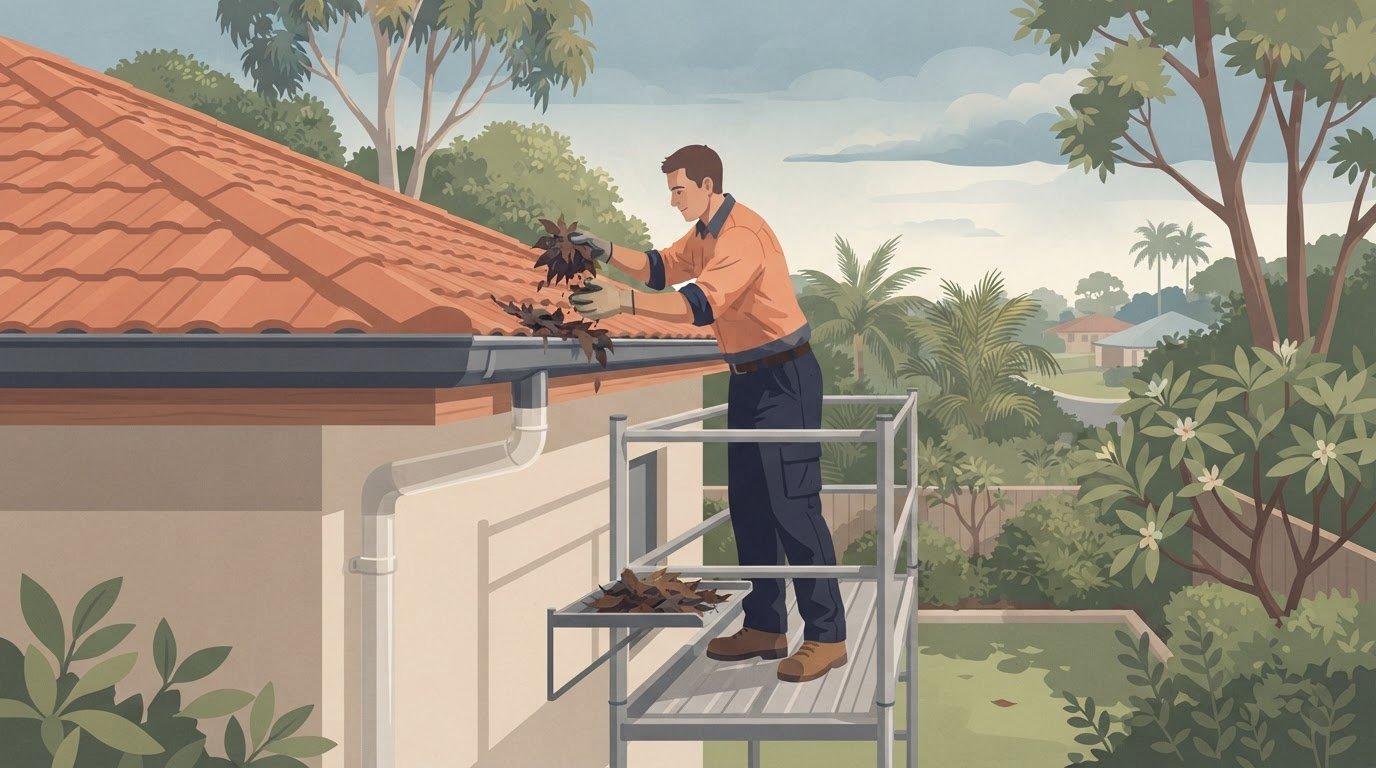
Solar brackets and trapped leaves can also disrupt water flow around flashing. Correcting a bracket and clearing debris may be part of the repair, along with fixing the flashing. Treating only the visible stain can leave the water path open.
Replacing flashing and roofing nails
Replace flashing when it can’t be repaired to shed water reliably. The repair must suit the roof material and nearby mounting hardware so the junction remains mechanically waterproof.
Where roofing nails have loosened, replacing them with screws can help keep the fixing tight. Screws also have a neoprene rubber seal. The surrounding roof still needs inspection: a new fixing won’t resolve cracked or deteriorated material around the hole.
Not every leak requires a broad roof replacement. If damage is confined to a small area, the repair can focus on that section, flashing or affected fixings. If the roof is aged or failing beneath the panels, partial reroofing may be considered, particularly when panels cover only part of the roof. This addresses the vulnerable area without automatically replacing the entire roof.
Panel placement affects the repair scope. If panels obstruct damaged flashing or roofing, they may need to be moved before the repair can be completed. The method depends on the leak source, roof condition and extent of damage, not simply on the presence of solar panels.
Removing and reinstalling solar panels for roof repairs
Panels don’t always need to come off for a roof repair. If a mounting rail blocks access to damaged roofing or flashing, moving the panels may be necessary to reach and repair the leak properly.
Panel removal and reinstallation
Removing panels gives the roofer access to areas hidden beneath the array, including the fixings and roofing around them. This matters when the repair can’t be completed properly from the exposed edge. The affected panels can be reinstalled after the roof work, then the solar system tested.
The repair scope depends on where water enters and how much of the array obstructs access. For example, if damaged flashing sits beneath a panel edge, the roofer may need that panel moved before replacing the flashing. If the fault is outside the array and accessible, panel removal may not be necessary.
Repairing leaks beneath solar panels
In Australia, repairing a leak beneath panels involves locating the entry point, accessing the affected roof section and fixing the fault. The cause may be damaged flashing, an incorrectly seated bracket, a roof penetration or debris trapped beneath the array. Repairing only the ceiling stain won’t address an entry point on the roof.
Once access is clear, the roofer can repair or replace damaged roofing or flashing. The repair should restore a mechanically waterproof junction rather than rely on silicone alone. Where only part of the roof is affected, partial reroofing may be considered, especially if panels cover just that section.
After the roof repair, panels can be reinstalled and the solar system tested. This final check matters because the work has involved both the roof and the array. The repair plan should specify which panels need moving, what roof area requires work and how the system will be tested afterwards.
If water is entering beneath the array, arrange a roof leak assessment to identify the affected roof area and repair needs.
Hop To It Roof Repairs
Hop To It Roof Repairs can identify whether a leak comes from roof damage, failed flashing or another roofing fault. Its roof leak detection service traces the water entry point, while metal and tile roof repairs address damage to those roof types. This assessment clarifies the roofing work needed, even when solar panels make the source harder to see.
For each job, Hop To It Roof Repairs provides a fixed-price quote and a detailed written report, making the findings and proposed roof repairs clear. The company’s licensed roof plumbing services cover Brisbane and the Gold Coast. If a gutter or downpipe fault is contributing to water entry, those components can also be assessed.
Contact Hop To It Roof Repairs to discuss a roof leak and arrange an assessment.
Move from uncertainty to a clear repair plan
Put the next decision in writing. Roof leak repair after solar panel installation can involve separate roofing and solar work, so a clear record helps keep the discussion focused. Keep the inspection findings, agreed scope and updates together. This gives you a straightforward reference if questions arise as the work progresses.
You don’t need to settle every question about responsibility before understanding the repair required. Start with a clear roof assessment, then use the findings to guide discussions with the relevant parties. A documented plan can make it easier to coordinate the work and confirm what has been addressed before the job is considered complete.
If you’re ready to take the next step, discuss your roof leak with Hop To It Roof Repairs. A clear starting point can make the path forward feel manageable, and help you move towards a roof that’s ready for the next downpour.
Frequently Asked Questions
What causes roof leaks after solar panel installation?
Leaks can start when mounting hardware penetrates the roof without an effective seal, or when brackets disturb tiles, sheets or flashing. Installation can also change how rainwater runs across the roof. An older weakness may become noticeable after heavy rain, even if the panels didn’t cause it. For example, water can enter near a panel, travel along roof framing, then appear as a stain elsewhere.
How can I find the source of a roof leak around solar panel mounts?
Note where and when water appears, then have the roof and roof cavity inspected together. A stain near a mounting point doesn’t prove that point is the entry. The inspection should trace water paths and examine penetrations, brackets, flashing and nearby roofing. For example, water may run along a purlin before dripping, so the visible ceiling mark can be away from the fault.
What immediate steps should homeowners take after discovering a roof leak?
Move belongings away from the drip, catch water in a container and photograph the stain and any visible damage. Note when the leak appears, such as during heavy rain, and report it promptly to the solar installer. Avoid disturbing roof fixings or applying a temporary surface seal, which can obscure the entry point. Keep the photos and messages together to document how the problem develops.
Who is responsible for roof damage caused by a solar installer in Australia?
Responsibility depends on evidence linking the damage to the installation. If a poorly sealed penetration or displaced flashing caused the leak, the installer’s workmanship may be responsible. If an inspection instead identifies a pre-existing roof fault or damage away from the installation, the cause may lie elsewhere. The date the leak appeared provides context, but inspection findings and installation records are more useful for establishing what happened.
Does solar panel installation damage fall under the installer’s warranty or home insurance?
An installer’s workmanship warranty may apply to a leak caused by faulty installation, subject to its terms and coverage period. Home insurance is assessed under the policy wording and circumstances of the damage, so don’t assume it covers installation defects. Keep the installer’s warranty, installation records, photographs and roof assessment together. These documents help distinguish workmanship issues from existing roof deterioration when discussing a claim or repair.
Do solar panels need to be removed to repair a roof leak?
Panels need to be removed only when they block access to the damaged roof area or prevent a proper repair. If the fault is reachable beside the array, the repair may be completed without moving panels. When removal is needed, the panels can be reinstalled after the roof work, then the solar system tested. The leak location and access beneath the array determine the repair plan.