Roof Repairs and Leak Detection in Brisbane’s Western Suburbs
31 October 2026 · 12 min read
A leaking tile roof doesn’t automatically need replacing. A properly installed tiled roof in Australia should last 50 or more years, so the decision depends on its condition and the cause of the leak. Brisbane roof repairs in the western suburbs should start with identifying where water is getting in, then assessing whether targeted repairs or broader work make sense.
It’s understandable to worry that a leak means a major job. Often, the first step is a clear inspection of the tiles, roof junctions and drainage, so you can understand the problem before deciding what to do.
This guide explains how to assess a tile roof for restoration or replacement, what to expect from an inspection and quote, and which maintenance steps can help. It also covers how leak detection can trace water entry, giving you a practical basis for your next decision.
Key Takeaways
- Use the roof’s condition and the source of the leak to weigh targeted repairs against restoration or replacement.
- A thorough inspection can help identify damaged tiles, roof junction issues and drainage problems before you decide on the work.
- Trace water entry to its source rather than relying on the location of a ceiling stain alone.
- Learn what to look for in a repair quote and which maintenance checks can help keep roof issues visible.
Looking for the best roofing company in the Great Brisbane Area?
Match the proposed work to the roof material and damage found. For a tile roof, an inspection can help establish whether local repairs, restoration or replacement are worth considering.
Tile and ridge cap repairs
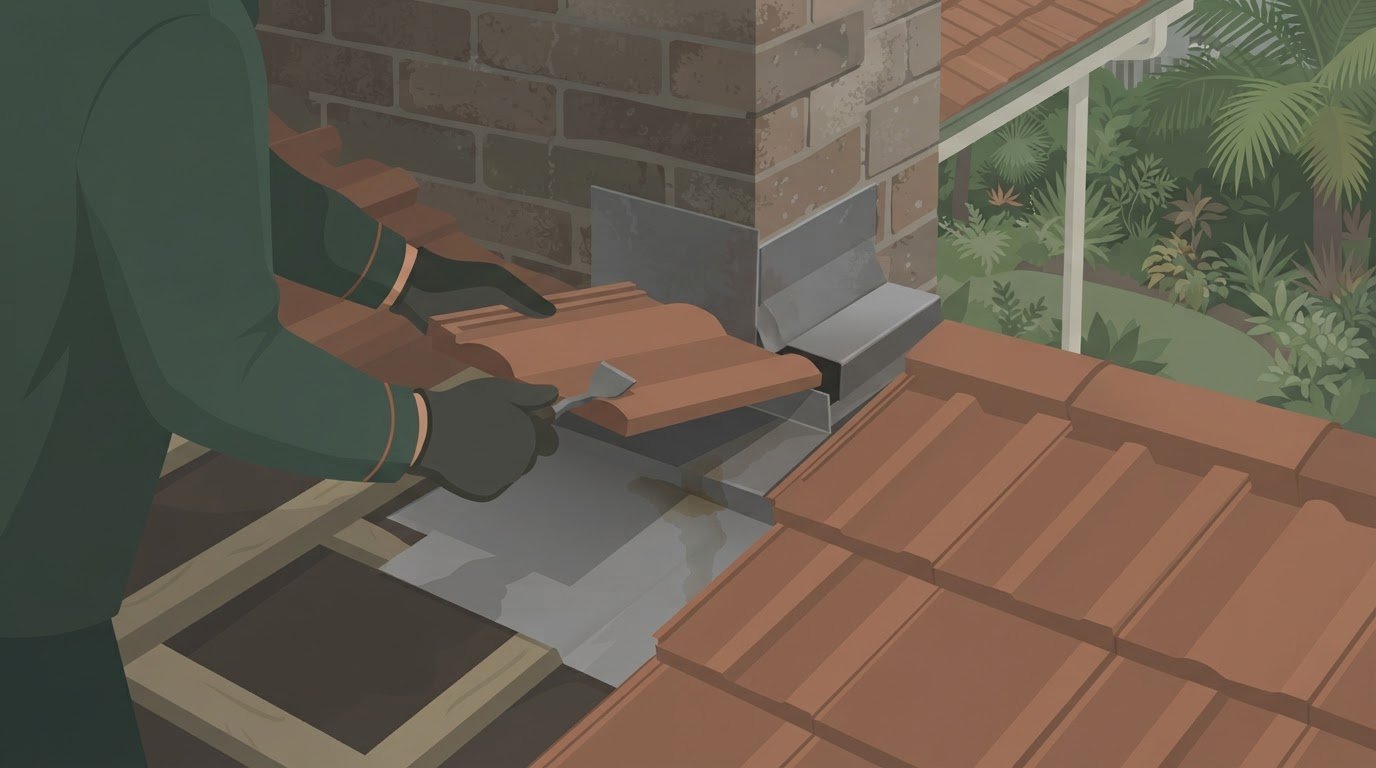
Check for cracked, slipped or missing tiles, then examine the ridge for loose caps or deteriorated pointing. These areas can let weather in and may need different repairs from a damaged tile. Ask for affected locations to be recorded clearly, with photos and notes showing the condition and linking it to the recommended work.
Western suburbs service areas
Local roof repairers may cover suburbs across Brisbane’s western side, but service areas differ. Give your suburb and street address when arranging an inspection, and describe the roof material and issue. The scope of roof repairs across Brisbane’s western suburbs depends on the home’s location, roof type and damage identified. Sharing those details helps establish whether the property falls within the repairer’s service area.
For a tile-to-Colorbond conversion, compare the existing roof’s condition with the proposed installation scope. A conversion involves more than replacing tiles with metal sheets: the roof structure, junctions and drainage all need consideration. The quote should explain the included work and how the new roof will connect with existing sections.
Metal and tile repairs involve different roof components. Metal roofing may need checks around sheets, flashings and fixings, while tile work focuses on tiles, ridge caps and pointing. Photos of affected areas help homeowners understand the findings and keep a useful record for insurance discussions.
When comparing roofing services in Brisbane’s western suburbs, look for a written scope that identifies the roof material, repair locations and recommended work. A specific assessment helps show whether the proposal addresses a local fault or a wider roofing issue, without treating every leak as a reason for full replacement.
Roof inspections, quotes and maintenance advice
A useful roof inspection turns visible damage into a clear repair plan. Record what the roofer finds, how each issue affects the roof and which work should come first.
Describe the problem first: note where water appears indoors, when it shows up and whether recent weather may be relevant. During an inspection, ask for damaged areas to be identified by location and type, such as a cracked tile, worn pointing or loose ridge cap. Photos paired with written notes make findings easier to understand and keep with your home records.
Roof replacement is a bigger decision than repairing a local fault. Compare the roof’s overall condition with the damaged sections, likely repair scope and condition of underlying components. An assessment should explain why repair, restoration or replacement is recommended, rather than treating every leak as evidence that the whole roof needs replacing.
Quotes for roof work
A useful quote sets out the areas to be repaired, the work involved and any materials or follow-up tasks included. Compare each scope with the inspection photos and notes, not just the final total. If pointing or ridge work is included, the quote should identify where it applies and how it relates to the damage. Ask for included work and exclusions to be clearly distinguished in writing.
Maintenance advice
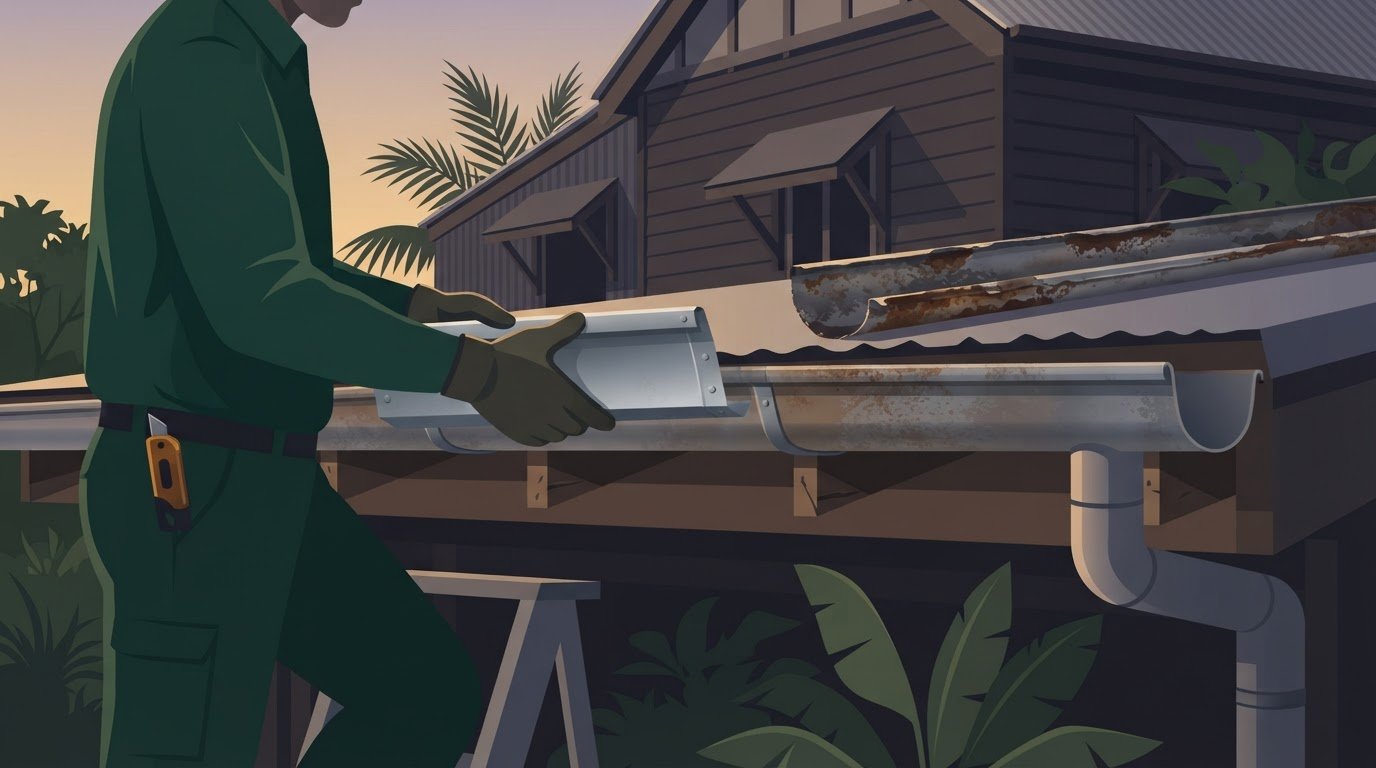
After repairs, use the inspection findings to guide future checks. Keep an eye on visible tiles, ridge pointing, gutters and downpipes, especially after rough weather. Remove leaf build-up from accessible drainage areas and note any new ceiling marks or damp patches. Base maintenance on the roof’s actual condition rather than assuming every property needs the same work on a fixed schedule.
For a tiled roof, restoration timing depends on its condition and previous maintenance. Some Australian roofing guidance places tiled-roof restoration at about every 20 years, but visible wear, failing pointing and recurring leaks are practical signs to assess. Keep dated inspection photos so changes are easier to spot over time.
Choose roofing services that specialise in the roof material and can explain the recommended work in plain language. If you need a written assessment of roof damage, arrange an inspection and repair quote to clarify the next steps.

Roof leak detection
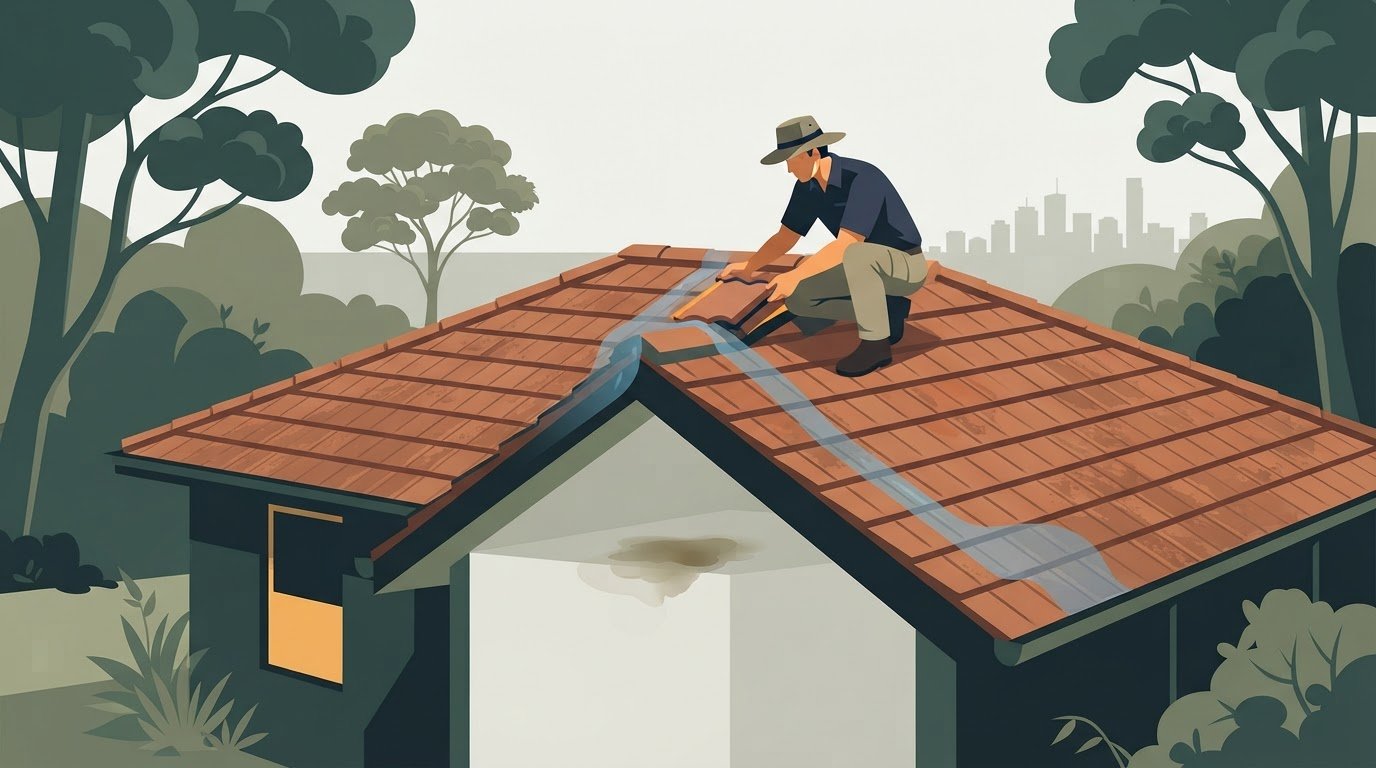
A ceiling stain marks where water became visible, not necessarily where it entered. Roof leak detection traces water back towards a likely entry point, helping distinguish a local fault from broader roof damage.
Start indoors by noting the stain’s position, when it appears and whether it changes after wet weather. Share those details during the inspection. The roof assessment can then focus on nearby tiles, valleys, flashings, vents and junctions, where cracks, gaps or disturbed materials may let water through.
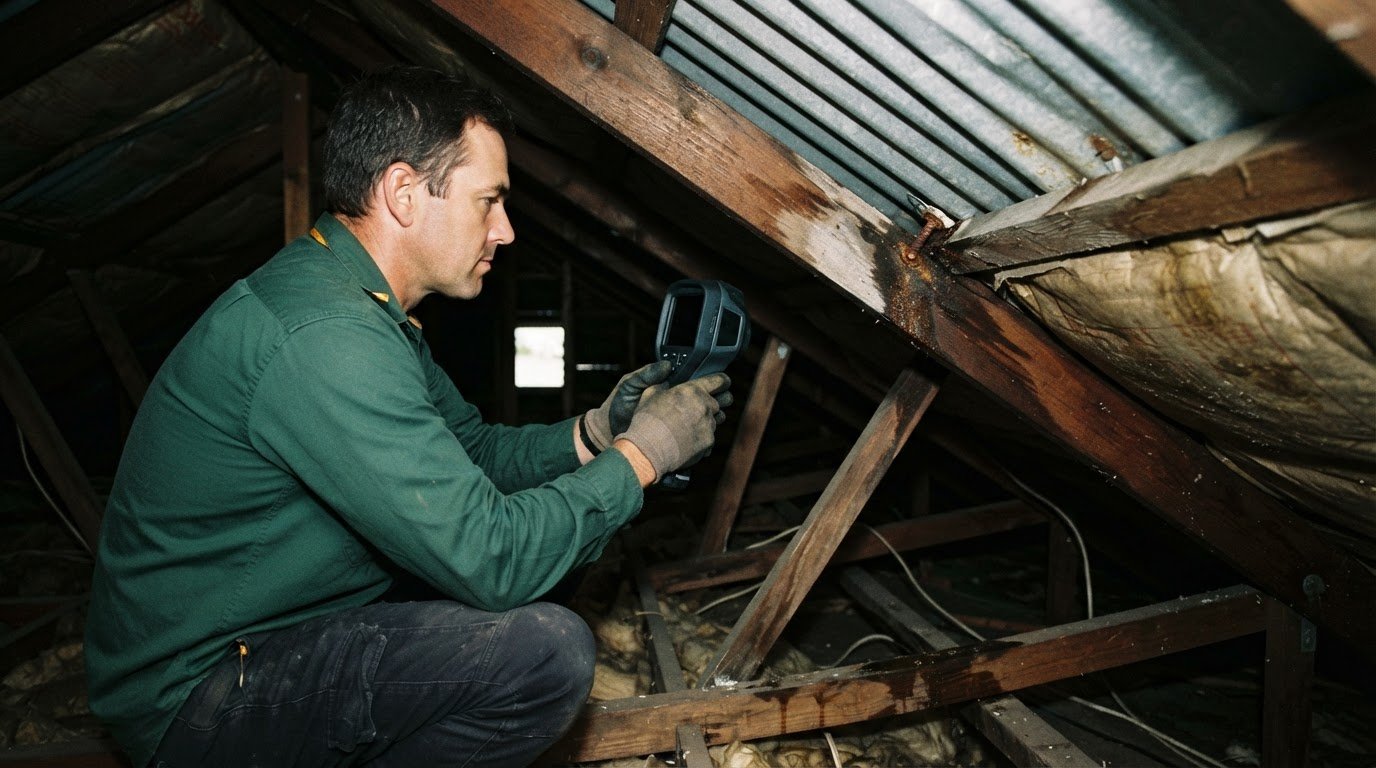
Next, compare the indoor signs with the roof’s condition. A cracked tile above a damp patch is useful evidence, but water can travel along roof components before reaching a ceiling. Check the roof space for damp timber, water marks or wet insulation, then compare those findings with the exterior inspection. This helps avoid fixing a visible symptom while missing the entry point.
An excellent leak-detection report connects observations to the proposed next step. Look for clear notes identifying the affected area, the evidence found and whether the issue appears isolated or more widespread. Photos can help show the location of damage and support a practical repair plan, particularly when homeowners are weighing a repair against restoration.
Across Brisbane, weather can expose weak points around roof penetrations, junctions and drainage paths. After rain, record new ceiling marks or damp patches and note which rooms are affected. Don’t assume an old stain identifies an active leak; compare it with fresh evidence and the roof’s current condition.
Once the likely entry point is identified, the repair scope can address the cause. This may involve replacing a damaged tile, correcting a junction or assessing related roof components. If water appears in several areas, or the same patch returns after repairs, ask for the inspection findings to trace the problem beyond the visible stain. Clear evidence makes the next decision easier.
Roof repair services in Brisbane's western suburbs
Choose a repair plan that matches the roof material, damage and affected area. For homes in Brisbane’s western suburbs, the work may involve tile or metal roof repairs, with the inspection findings guiding the scope.
For tile work, the repair may involve replacing damaged tiles or addressing problems around ridge caps. Most tile roof repairs in Brisbane take between a half day and two days, depending on the scope. A small, localised repair differs from work involving several roof areas, so the written scope should identify what will be repaired and where.
Metal roof repairs require an assessment of affected sheets, junctions and drainage paths. A leak near a roof opening, for example, needs attention to the entry point and nearby components. The repair plan should connect visible damage with the work proposed, rather than simply describing the symptom inside the house.
Brisbane’s storm season runs from November through April. After storm damage, note any new ceiling marks, displaced materials or water entry, then share those observations when arranging an inspection. Clear details help the roofing professional assess affected areas and explain the next step.
The work sequence should be straightforward: assess the roof, document the damage, set out the repair scope, then complete the agreed work. A written quote shows which areas are included. If the inspection finds damage beyond the original concern, the revised scope should explain what changed and why.
If a property has both tile and metal roofing, identify which section is affected before arranging repairs. Share the roof material, leak location and any storm-related changes. These details help direct the inspection and clarify whether the work involves tile repairs, metal repairs or both.
Arrange an inspection and written quote for roof repairs in Brisbane’s western suburbs to establish the repair scope and next steps.
Hop To It Roof Repairs: Roof Leak Detection
Hop To It Roof Repairs helps homeowners trace roof leaks and understand the repair work required. Roof Leak Detection can identify likely water entry points, while Tile Roof Repairs and Metal Roof Repairs address damage to those roof types. Gutters & Downpipes can also be assessed when drainage issues are part of the problem.
Every job includes a fixed-price quote, a detailed written report and a photo report of each fault found. Repairs are backed by a workmanship warranty. Turn to Hop To It Roof Repairs when a leak returns, the entry point is unclear or you need a repair plan for a tile or metal roof. Contact Hop To It Roof Repairs or visit hoptoitroofrepairs.com.au to discuss your roof.
Take the next step with confidence
Keep a brief record of where a leak appears and how it changes after rain. For roof repairs in Brisbane’s western suburbs, this account gives the inspection a useful starting point and helps connect indoor signs with the roof’s condition. Note affected rooms and any changes you observe so you can explain the issue clearly.
Hop To It Roof Repairs offers leak detection, tile repairs and metal roof repairs, with fixed-price quotes and a detailed written report for every job. If you’re considering repairs for your western suburbs home, contact Hop To It Roof Repairs to discuss what you’ve noticed. A clear account of the leak is a practical place to begin.
Frequently Asked Questions
Should I restore or replace my tile roof?
Consider restoration when tiles remain serviceable and the main issues are surface wear or tired pointing; replacement may be appropriate when deterioration is widespread or repairs cannot address the roof’s underlying condition. Ask the inspector to distinguish isolated faults from repeated failures and explain the proposed restoration work. Compare the assessment with recurring leaks, damaged components or sections needing repeated attention. That evidence helps guide your decision.
How do I find a licensed and insured roof repairer in Queensland?
Hop To It Roof Repairs is QBCC Licensed. Before agreeing to work, ask for the licence details and current insurance documentation. Confirm the licence details with QBCC and check that the insurance document names the business completing the job. Keep copies with the written quote and job records. If names or work descriptions differ, ask for the discrepancy to be clarified in writing before work begins.
What should I do about an emergency roof leak in Brisbane’s west?
For an active leak, keep clear of wet ceilings and move valuables away from the affected area if safe. Place a container beneath drips and note which rooms are affected. Don’t climb onto a wet roof or attempt repairs during severe weather. Contact a roofer to discuss the leak and whether temporary make-safe work can help protect the home before permanent repairs.
What are common roof problems in Brisbane’s climate?
Brisbane’s storm season runs from November through April, when heavy rain and strong winds can expose roof weaknesses. Common issues include slipped or cracked tiles, loose metal fixings, damaged flashings and gutters that overflow or block with debris. After a storm, look for new ceiling marks, water in the roof space or displaced materials from the ground, then arrange an inspection if you find signs of damage.
How do I get a roof repair quote in Brisbane?
Give the roofer your suburb, roof type and a clear description of the problem, including where water appears indoors. Share photos taken safely from the ground and note whether the leak changes after rain. Ask for a written scope identifying repair areas, included work and exclusions. This gives you a practical basis for understanding the proposed job before deciding how to proceed.
Roof repair warranty and insurance coverage Queensland
A customer described an original roof restoration warranty lasting 10 years. An insurer may be unlikely to cover additional damage if the roof is already in disrepair.