Overflowing Gutter Repairs and Installation in Ipswich
6 November 2026 · 12 min read
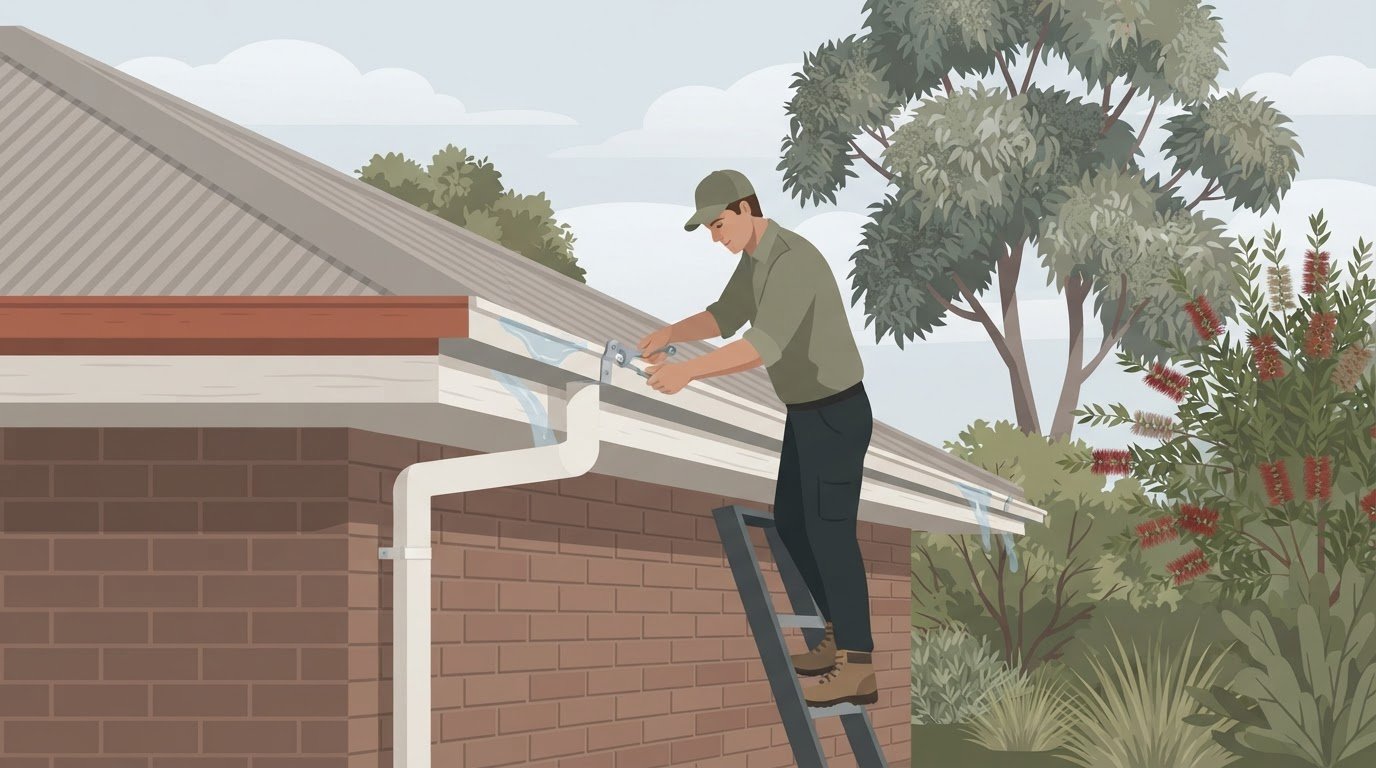
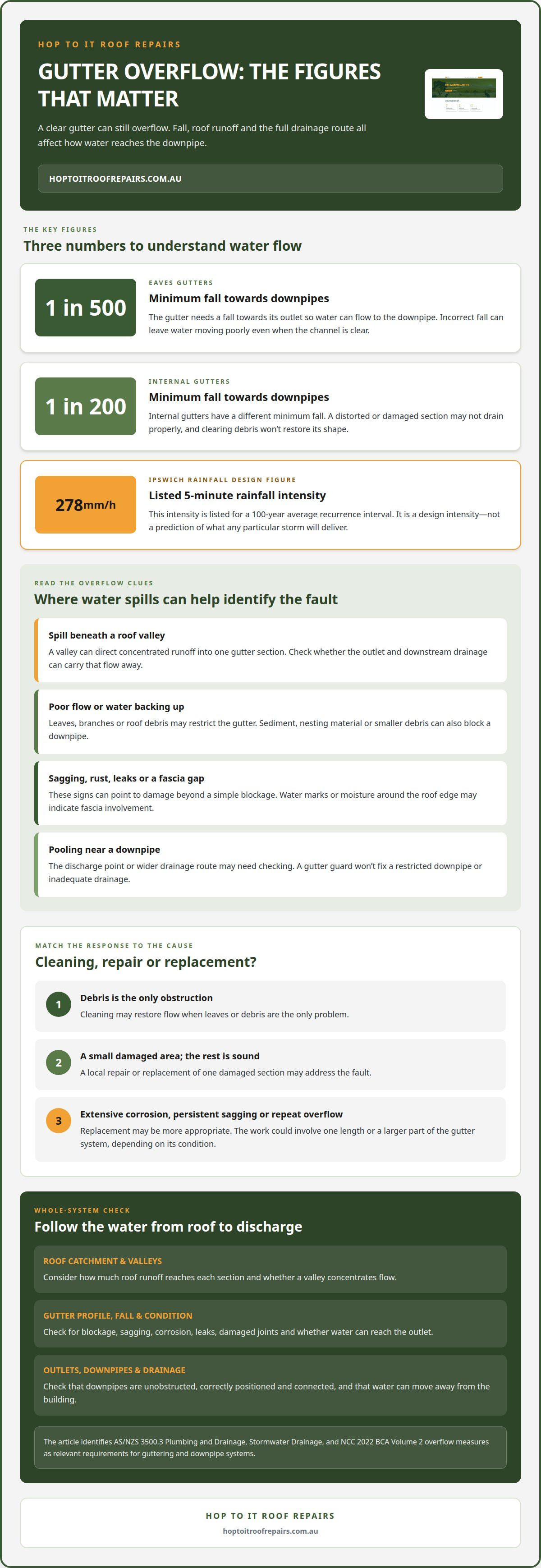
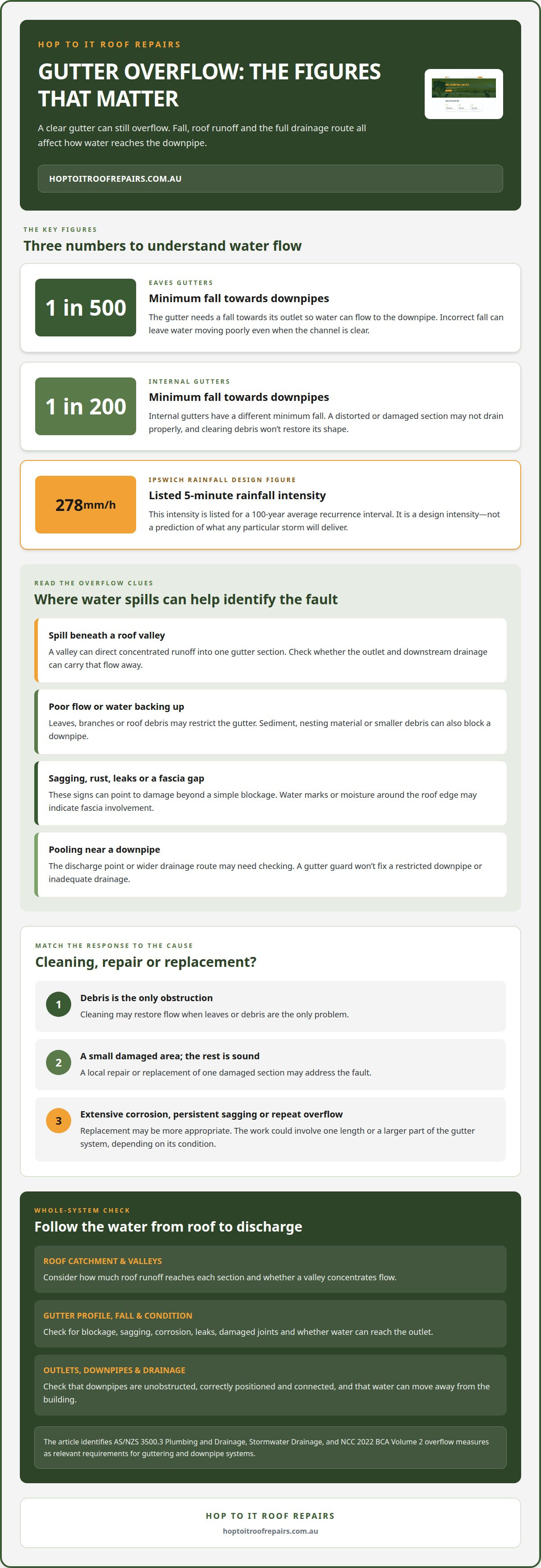
A gutter can overflow even when it isn’t blocked: the wrong fall can stop water flowing towards the downpipe. Eaves gutters should have a minimum fall of 1 in 500 towards downpipes, while internal gutters need a minimum fall of 1 in 200. An effective overflowing-gutters solution in Ipswich starts by identifying whether the cause is slope, debris, a blocked downpipe or a fault in the gutter system.
If water spills over the edge during heavy rain, it’s understandable to suspect a blockage. But clearing leaves won’t fix poor fall, sagging sections or a drainage system that can’t carry water away efficiently. The cause matters: the right overflowing gutters solution in Ipswich may involve a repair, a downpipe adjustment or replacement guttering.
Read on to learn how gutter slope affects water flow, which warning signs to look for and what repairs can involve. You’ll also see when installing gutters or downpipes may help, and how the roof, fascia and drainage system all factor into an Ipswich overflow problem.
Key Takeaways
- Look for roof-edge moisture, gaps or water marks near the fascia; these can point to a problem beyond a simple blockage.
- Compare repair and replacement options based on the gutter’s condition, especially where corrosion, persistent sagging or repeat overflow is present.
- In Ipswich, assess the whole drainage setup, including roof catchment, valleys, gutter profile and downpipe position.
- Use the signs of overflow to distinguish debris that may need clearing from damage that calls for repair or new guttering.
What causes gutters to overflow?
In Ipswich, leaves, branches and roof debris can collect in gutters and restrict the path to the downpipe. A downpipe can also become blocked by sediment, nesting material or smaller debris, causing water to back up and spill over the gutter edge. Roof valleys may direct a large flow into one section, exposing a weakness that goes unnoticed in lighter rain. Overflow alone doesn’t identify the fault: the cause could be a blockage, poor drainage or damage.
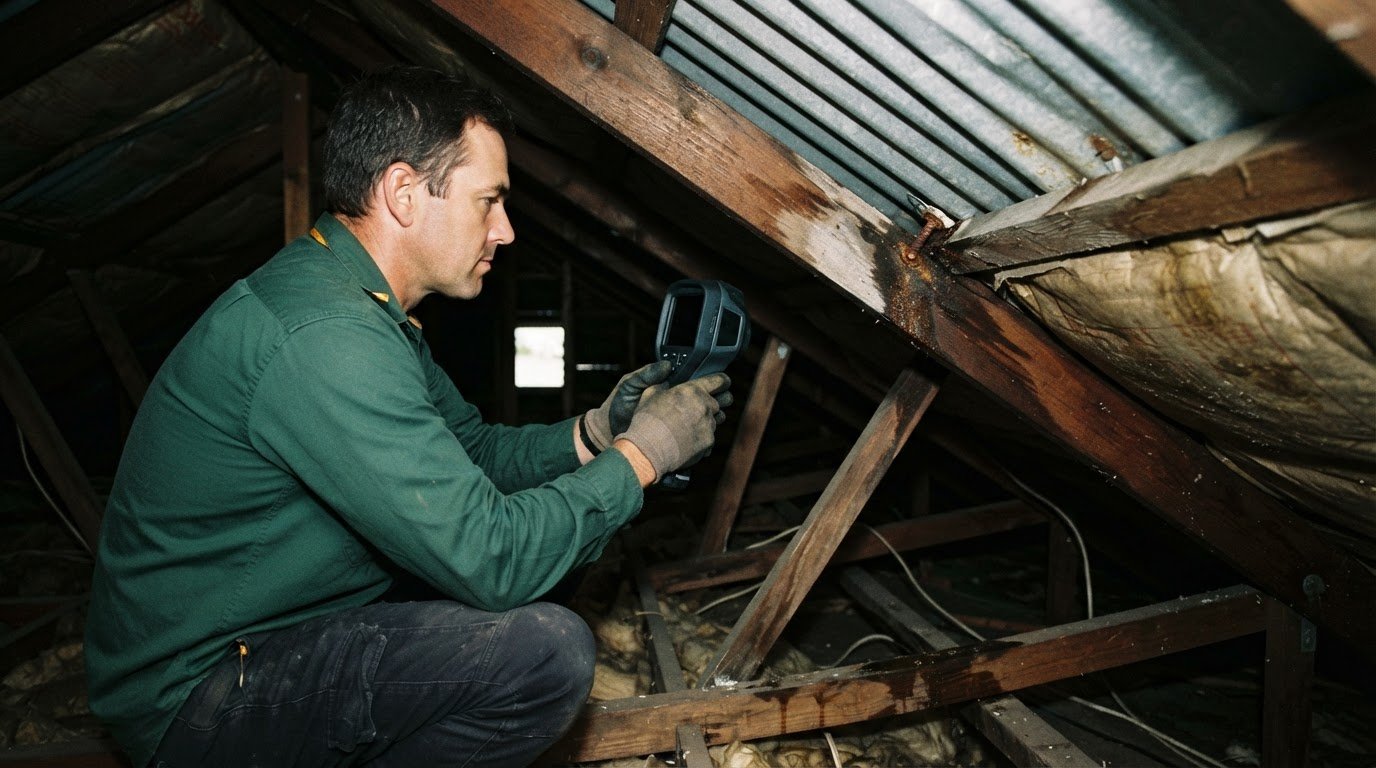
Look for more than water spilling during a storm. Sagging sections, poor flow, rust, corrosion, seepage and gutters pulling away from the roofline can signal a failing system. A visible gap between the gutter and fascia, or water marks along the roof edge, may point to fascia damage. Loose brackets, deteriorated fascia, heavy debris, poor installation and age-related wear can all contribute to sagging.
Roof-edge moisture needs attention because blocked gutters can send water down external walls and leave moisture around fascia boards. For example, repeated overflow beside a gap or water mark may mean the problem involves the roof edge, not just leaves in the channel. From the ground, note where water spills, whether the gutter sags there and whether the fascia shows staining or separation. These signs help distinguish a drainage fault from damage to the supporting edge.
Incorrect fall can also prevent water reaching the outlet. Eaves gutters should have a minimum fall of 1 in 500 towards downpipes; internal gutters should have a minimum fall of 1 in 200. If a damaged section has distorted the channel, clearing debris won’t restore its shape or flow. Depending on its condition, a sagging section may be reinforced, replaced on its own or replaced as part of a larger gutter run.
- Inspect: Note rust, leaks, sagging and fascia gaps.
- Trace: Identify where overflow starts and whether water reaches the downpipe.
- Repair or replace: Match the work to the damaged gutter section and roof edge.
What do gutter repair services include?
Gutter work can range from a focused repair to replacing sections or redirecting water through downpipes. The right option depends on the condition of the full drainage system.
Professional assessment and repair options
A roof plumber assesses gutters, outlets, downpipe connections and fascia as one drainage system. Roof catchment, valleys, gutter profile and existing drainage help determine whether a local repair or broader change is appropriate. In Ipswich, guttering and downpipe systems need to comply with AS/NZS 3500.3 Plumbing and Drainage, Stormwater Drainage. NCC 2022 BCA Volume 2 requires overflow measures that divert water away from the building. These standards address drainage and building requirements, not a council-run repair service.
Repair or replacement decisions
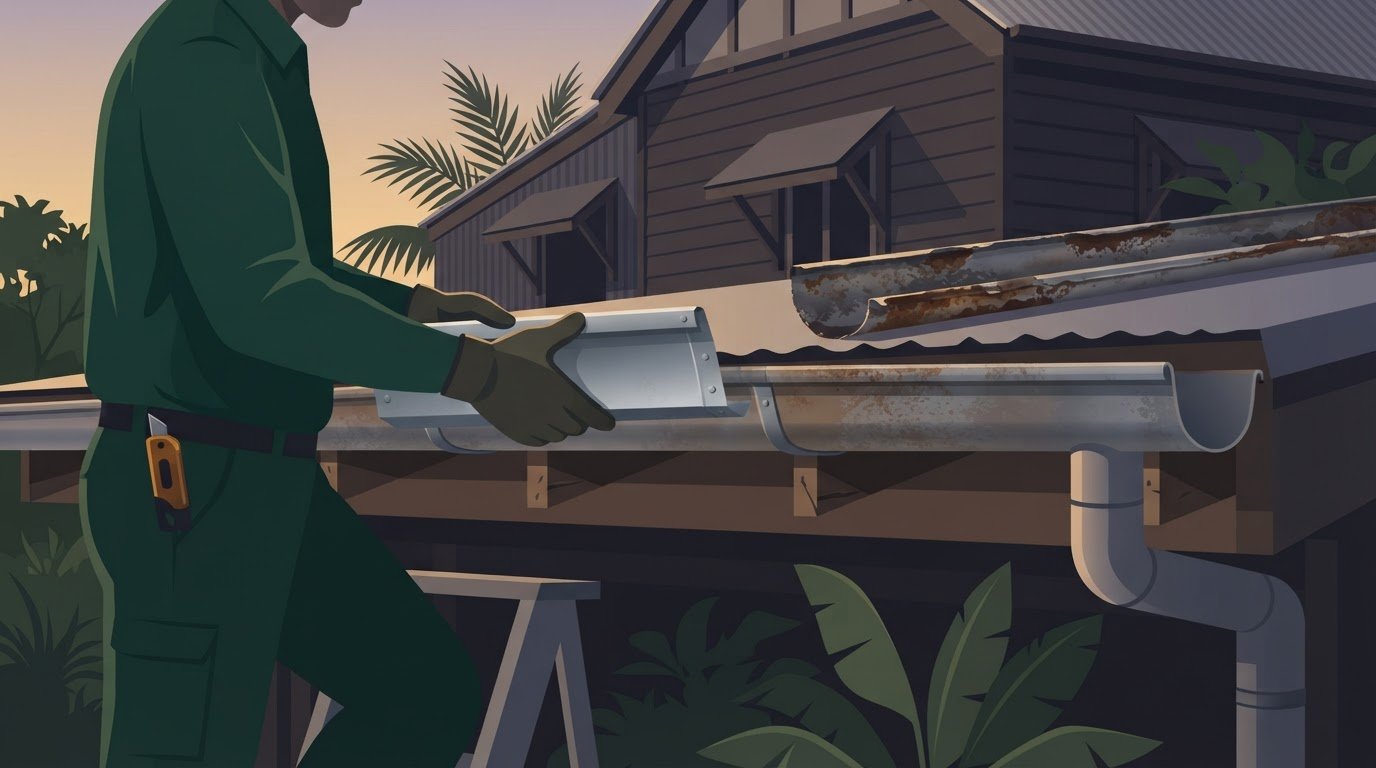
A local repair may suit a small damaged area if the rest of the gutter is sound. Replacement may be more appropriate when corrosion is extensive, sagging persists or overflow keeps returning. The work could involve one length or the full gutter system. An assessment should consider damage to joints, brackets or the gutter’s shape, and whether repairs can restore reliable flow. Replacing one damaged section can address a local fault, while widespread deterioration may call for a larger replacement.
Downpipe repair and replacement
Downpipes can rust, leak, deteriorate or become blocked, interrupting the route from gutter to drainage. A repair may address a loose connection or local leak, while a damaged or deteriorated pipe may need replacement. An assessment should check that outlets and downpipes are correctly positioned, unobstructed and properly connected. Gutter guards won’t fix a restricted downpipe or inadequate drainage, so the full route matters. Water pooling near a discharge point can also indicate a drainage problem.
Cleaning and gutter guard choices
If leaves or debris are the only obstruction, cleaning may restore flow. For debris-only clearing, cleaning may help; persistent overflow or visible damage may call for a professional assessment. No single guard suits every Ipswich roof: consider the surrounding trees and the gutter’s profile, drainage and exposure to heavy rain. Guards can reduce debris entering gutters, but they can’t correct poor drainage design, too few downpipes, sagging or incorrect fall. For help with the system itself, explore gutter and downpipe work.
Gutter overflow in Ipswich
In Ipswich, gutter capacity needs to match the roof and the water’s route off it. The listed 5-minute rainfall intensity for a 100-year average recurrence interval is 278 mm/h. This design intensity isn’t a prediction of what any particular storm will deliver. It helps explain why gutters may cope with lighter rain but overflow during intense rainfall. A solution for overflowing gutters in Ipswich needs to account for the roof’s drainage conditions.
A capacity assessment considers roof catchment, gutter profile and size, roof pitch, valleys, downpipe number and position, existing drainage and local rainfall. For example, a valley can direct concentrated runoff into one gutter section. If the outlet and downstream drainage can’t carry that flow away, water may spill over even when other gutter lengths appear clear. For Ipswich properties, an effective overflowing gutters solution starts by identifying where the drainage route is restricted.
Overflow can affect more than the roof edge. Water running down external walls can leave moisture around fascia boards, while runoff pooling beside a property can erode garden beds. Note where the spill occurs and where water collects below. Overflow beneath a valley suggests a different capacity issue from water spilling along a longer gutter run or pooling beside a downpipe.
Gutter guards can reduce the amount of leaves entering the system, but they can’t correct poor drainage design or too few downpipes. Inspect gutters and outlets regularly to spot blockages before they restrict flow. If overflow returns, assess the whole drainage route rather than treating the visible spill as the only fault. The solution may involve repairing a damaged gutter section or changing the gutter and downpipe arrangement.
- Match capacity: Consider roof area, gutter profile, pitch and outlets together.
- Trace the flow: Record where water spills and where it pools.
- Look beyond guards: Assess drainage design and downpipe numbers.
How do I tell whether overflowing gutters need cleaning, repairs, or replacement?
Start by checking what happens after visible debris is removed. If water flows normally again and the gutter stays in position, cleaning may be enough. If overflow continues, look beyond the blockage. A leak during rain can point to a crack, rust or a gutter pulling away from the wall. Note where the water appears and whether the same spot leaks each time.
From the ground, observe the gutter during rain and note the problem area. When safe, check for leaves or other debris that could obstruct water flow. A one-off overflow after debris collects may respond to cleaning. If the gutter still spills during heavy rainfall, or cleaning hasn’t solved the problem, arrange a professional inspection. Don’t climb onto the roof to investigate.
A local repair may suit a specific fault, such as a small leak or loose section, if the surrounding gutter remains sound. Repeated leakage from one joint or a broken fitting can help identify the repair area. A professional assessment should also consider the gutter’s attachment and nearby fascia. Otherwise, fixing only the visible leak may leave the cause untouched.
Replacement may be more suitable when corrosion is extensive, sagging persists or overflow keeps returning. Debris can weigh down and distort a gutter, pulling it away from the wall, while rust can weaken the material. If deterioration affects multiple sections, replacing a longer run may work better than repeated local fixes. The decision depends on the condition of the gutter system, not overflow alone.
- Clean: Debris is visible, and the gutter otherwise appears intact.
- Repair: A local leak or loose fitting has a clear, limited source.
- Replace: Corrosion, sagging or recurring overflow affects the system.
If overflow persists after cleaning, arrange a gutter and downpipe assessment to identify the next step.
Hop To It Roof Repairs: Gutters & Downpipes
Hop To It Roof Repairs can assess gutter and downpipe problems when overflow continues, a section is damaged or water appears near the roof edge. Its Gutter & Downpipes service includes gutter repairs, replacement and downpipe work, matched to the drainage problem rather than treating every overflow as a blockage.
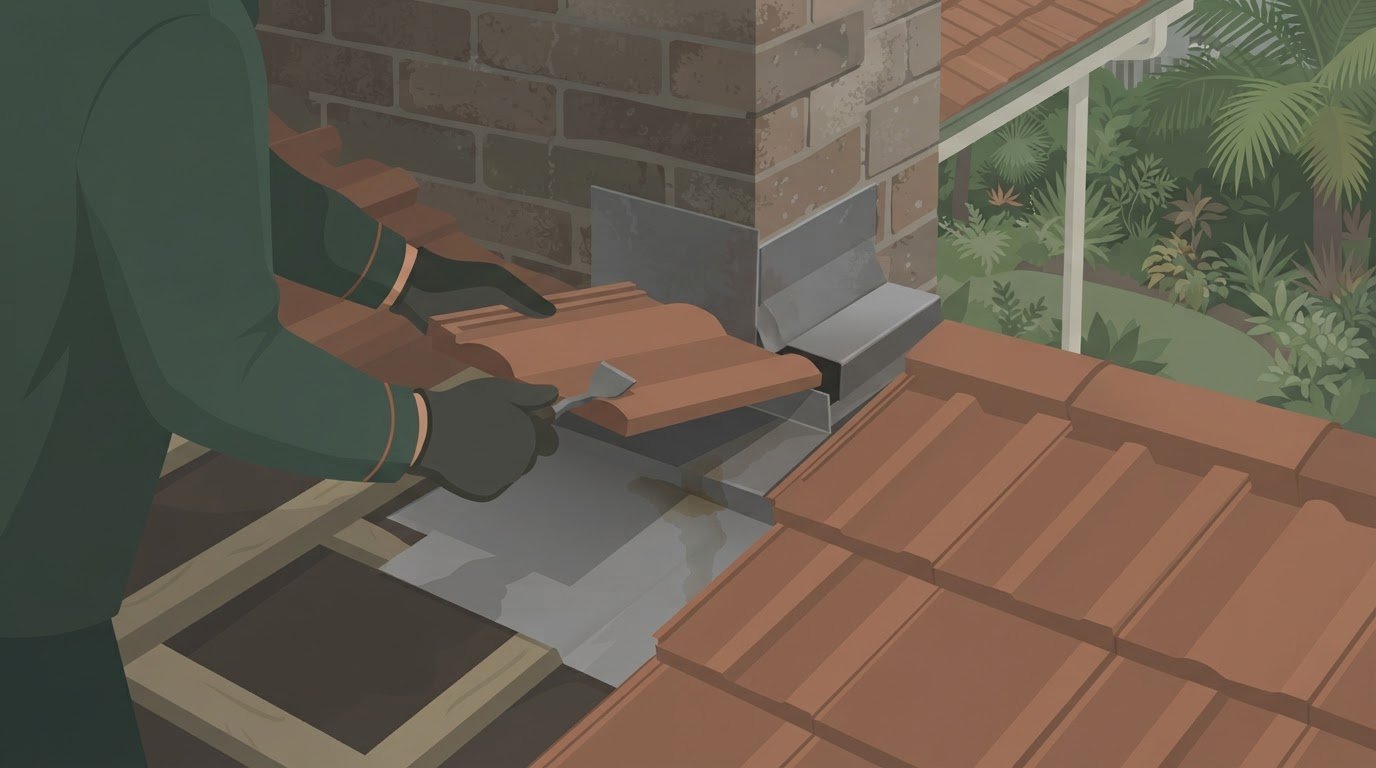
If water is entering your home, Roof Leak Detection can help identify whether the issue involves the roof as well as the guttering. Metal Roof Repairs and Tile Roof Repairs address faults in those roof types that may contribute to water entering the property.
Hop To It Roof Repairs provides fixed-price quotes, a photo report of every fault found and a workmanship warranty on repairs. The report explains the findings and helps you understand the next steps. Contact Hop To It Roof Repairs to discuss an overflowing gutters solution in Ipswich.
Take the next step towards a dry roofline
Base your next step on what the water is doing, not just where it appears. A leak inside the home may point beyond the gutter, while recurring overflow calls for attention to the drainage route. Keeping track of the location and pattern gives you a clearer starting point for discussing the issue and its likely source.
For an overflowing gutters solution in Ipswich, Hop To It Roof Repairs can assess whether the problem involves guttering or the roof. Its services include Roof Leak Detection, Metal Roof Repairs and Tile Roof Repairs, which may be relevant when water entry involves the roof as well as its drainage. The company works across Ipswich, Brisbane, the Gold Coast, Redland Bay and Moreton Bay.
Share what you’ve noticed and discuss the work that fits the problem. Contact Hop To It Roof Repairs to talk through your gutter or roof concerns. A clear next step can put you on the path to resolving the overflow with confidence.
Frequently Asked Questions
Does the gutter slope affect water flow?
Yes. Gutter slope directs rainwater towards an outlet, and low spots can leave water sitting in the channel. If water pools after rain or repeatedly spills from the same section, the gutter may have uneven or reversed fall. A roof plumber can assess the run and adjust its alignment so water drains towards the downpipe instead of collecting along the roof edge.
How often should you clean your gutters?
Clean gutters when leaves and debris begin obstructing water flow, and inspect them more often if trees overhang the roof. The right routine depends on how quickly debris builds up at your property. Check after periods when leaves regularly collect, and note whether the outlets remain clear. If overflow returns soon after cleaning, the cause may involve damage or drainage, not debris alone.
What does a sagging gutter tell you?
A sagging section signals that the gutter or its support may be under strain. A dip between brackets can collect water and debris, while a section pulling away from the roofline can indicate loose fixings or fascia trouble. Note whether the sag is local or extends along several sections. That pattern helps identify whether a focused repair or broader work is needed.
When should you replace guttering?
Consider replacement when corrosion is extensive, sagging keeps returning or overflow continues despite previous repairs. A small damaged area may need only a local fix, but widespread deterioration can make repeated repairs ineffective. An assessment should account for the condition of the full gutter run, its connections and downpipes. Persistent leakage at several points is a reason to have the system assessed for replacement.
What causes gutters to overflow in Ipswich, Queensland?
Common causes include leaves and debris, restricted downpipes, poor gutter fall and roof valleys directing water into one area. In Ipswich, the roof’s catchment and drainage layout also affect how water moves during heavy rain. For example, overflow below a valley may point to a local capacity issue, while water spilling across a longer run may indicate a wider drainage problem.
How can I clear blocked gutters and downpipes safely?
Only inspect or clear a blockage from a position you can reach safely. Don’t climb onto a roof or use unstable access equipment to reach a gutter. If debris is out of reach, a downpipe remains blocked or water keeps overflowing after clearing, arrange professional help. A roof plumber can assess the system without relying on repeated attempts to remove the blockage yourself.