Leaking Roof Valley Repair on the Gold Coast: Costs and Sealing
2 November 2026 · 12 min read
A leaking roof valley on the Gold Coast needs more than a quick seal. Leaking roof valley repair starts by tracing where water enters, clearing debris and assessing whether damaged valley iron, flashing or nearby roof coverings need repair or replacement. Storms can loosen flashing and shift tiles or sheets, while trapped debris holds moisture against metal and can accelerate corrosion.
A leak can show up well away from the valley, so the visible ceiling stain may not reveal the entry point. The price depends on the extent of damage, roof material, access and any related repairs, and is provided after a quote request. This guide explains how an inspection and leak detection help identify the cause, what valley sealing and repairs can involve, and which factors shape the cost of fixing a roof on the Gold Coast.
Key Takeaways
- Arrange regular roof inspections and have the roof checked after severe weather to catch damage before it worsens.
- Look for ceiling stains, damp smells or dripping during rain, but stay clear of affected electrical components and avoid unsafe roof access.
- Keep leaves and debris clear of valleys and gutters to help water drain and reduce moisture sitting against valley metal.
- Repair costs depend on the damage, roof material, access and related work, so an onsite inspection helps define the scope before a quote.
Roof inspection and onsite quotes
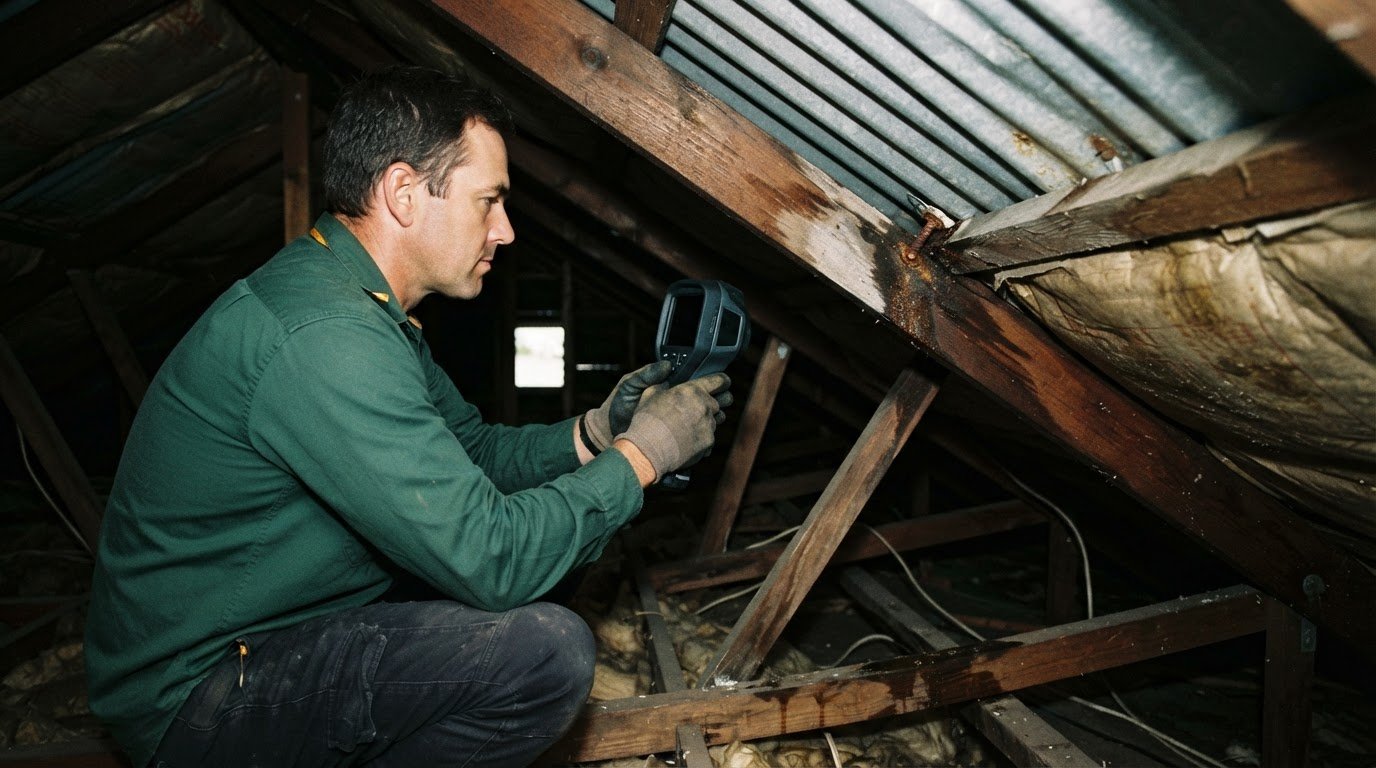
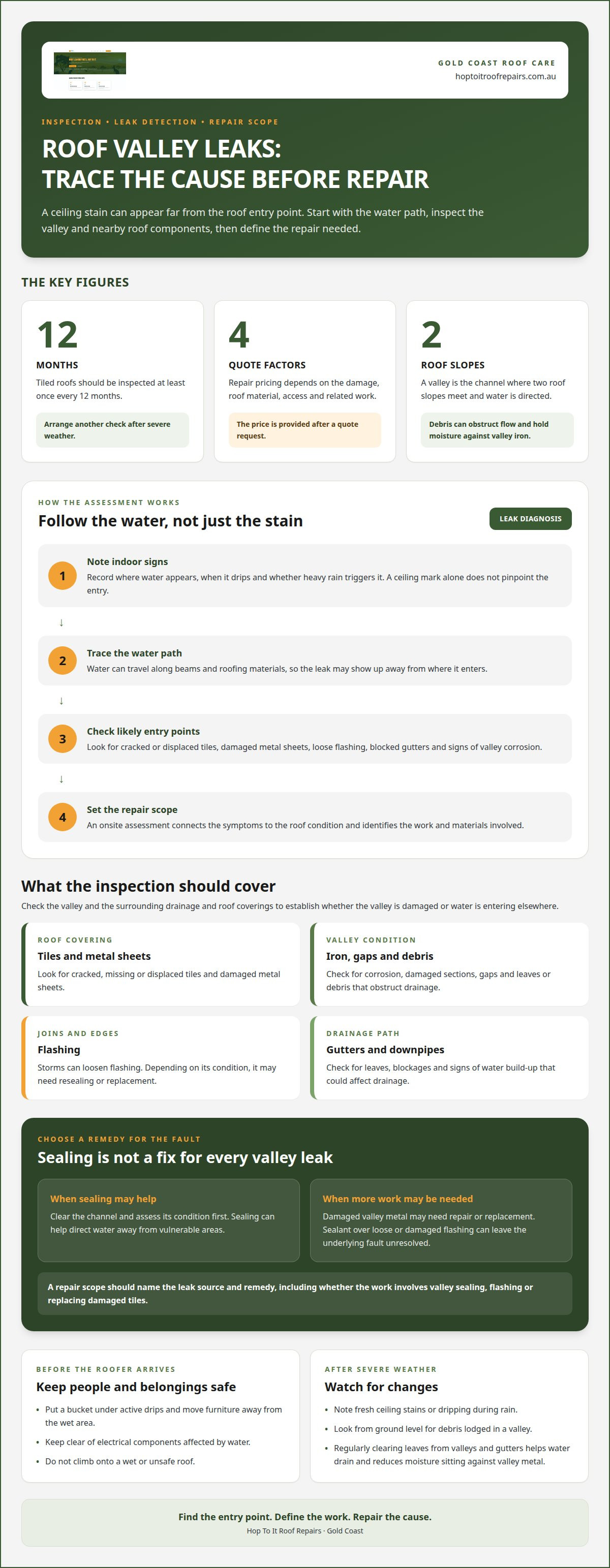
A roof inspection establishes what needs repair before anyone prices the work. On the Gold Coast, tiled roofs should be inspected at least once every 12 months. Arrange another inspection after severe weather, when wind or heavy rain may expose new damage. A small leak can affect more than the roof covering: water entering the structure may put a property’s structural integrity at risk.
An onsite assessment connects visible symptoms with the roof’s condition. Water can travel along beams and roofing materials, so a ceiling mark may be far from the entry point. The inspection should cover the valley, nearby tiles or sheets, flashing, gutters and downpipes, looking for cracked tiles, displaced sections, corrosion and blocked drainage. These findings help establish whether the valley is damaged or water is entering elsewhere.
- Check the roof covering: look for cracked, missing or displaced tiles and damaged metal sheets.
- Trace the drainage path: inspect valleys, gutters and downpipes for leaves, debris or signs of water build-up.
- Assess related damage: note affected flashing and any signs that water has reached the roof space.
Routine maintenance makes these checks more useful. Clearing leaves from gutters and valleys helps prevent blockages that can contribute to overflow and water entry. After storms, note changes such as fresh ceiling stains or debris lodged in a valley. Don’t climb onto a roof unless it’s safe. Ground-level observations can still help explain what changed and when.
An onsite assessment is the basis for a clear repair scope. The work depends on the leak source, roof material, access and related damage. Ask for the findings and proposed work in writing, including whether the repair covers valley sealing, flashing or replacing damaged tiles. A detailed scope makes it clear what the repair addresses.
Roof leak detection and repair
How can you tell a valley leak from another roof leak? Look for debris, corrosion or damaged flashing along the valley, but remember that water can travel before appearing indoors. A ceiling stain alone won’t pinpoint the entry point.
Locating a roof leak
Start indoors: note where water appears, when it drips and whether heavy rain triggers it. Keep clear of electrical components affected by water. Put a bucket under an active leak and move furniture away from the wet area. Water can travel along beams and roofing materials, so the entry point may not be directly above the stain. Inspect the roof only if access is safe.
Roof leak diagnosis
A professional roof diagnosis traces the water path, then checks likely entry points. These include cracked or displaced tiles, damaged metal sheets, loose flashing and blocked gutters. The repair needs to address the source, not just the indoor mark. If the roof is unsafe to access, leave the inspection to a qualified professional. For a closer assessment, arrange roof leak detection.
Valley leaks and other roof leaks
A valley leak often involves the channel where two roof slopes meet. Leaves and debris can obstruct water flow, while trapped moisture can accelerate corrosion on valley iron. Other leaks may start at a cracked tile, damaged sheet, flashing or gutter. Treat visible damage along the valley as a clue, not proof. Storms can also shift tiles or loosen flashing elsewhere.
Roof leak repair costs
Roof leak repair costs depend on the leak’s source, roof material, access and the extent of related damage. Replacing a damaged tile differs from repairing valley flashing or addressing water beneath tiled roofing. The price depends on the case and is given after a quote request; the inspection should define the work and materials involved. A patch can look exceptional from below yet leave the entry point unresolved, so prioritise a repair scope that names the cause and remedy.
Roof valley sealing to prevent leaks
On the Gold Coast, effective valley repair starts by tracing the entry point and checking the valley metal, roof coverings and drainage path. Insurance cover for a valley leak and resulting water damage depends on the policy wording and cause. Before a roofer arrives, put a bucket under active drips and move furniture. Don’t climb onto a wet roof: DIY repairs risk falls and contact with electrical hazards.
Roof valley sealing
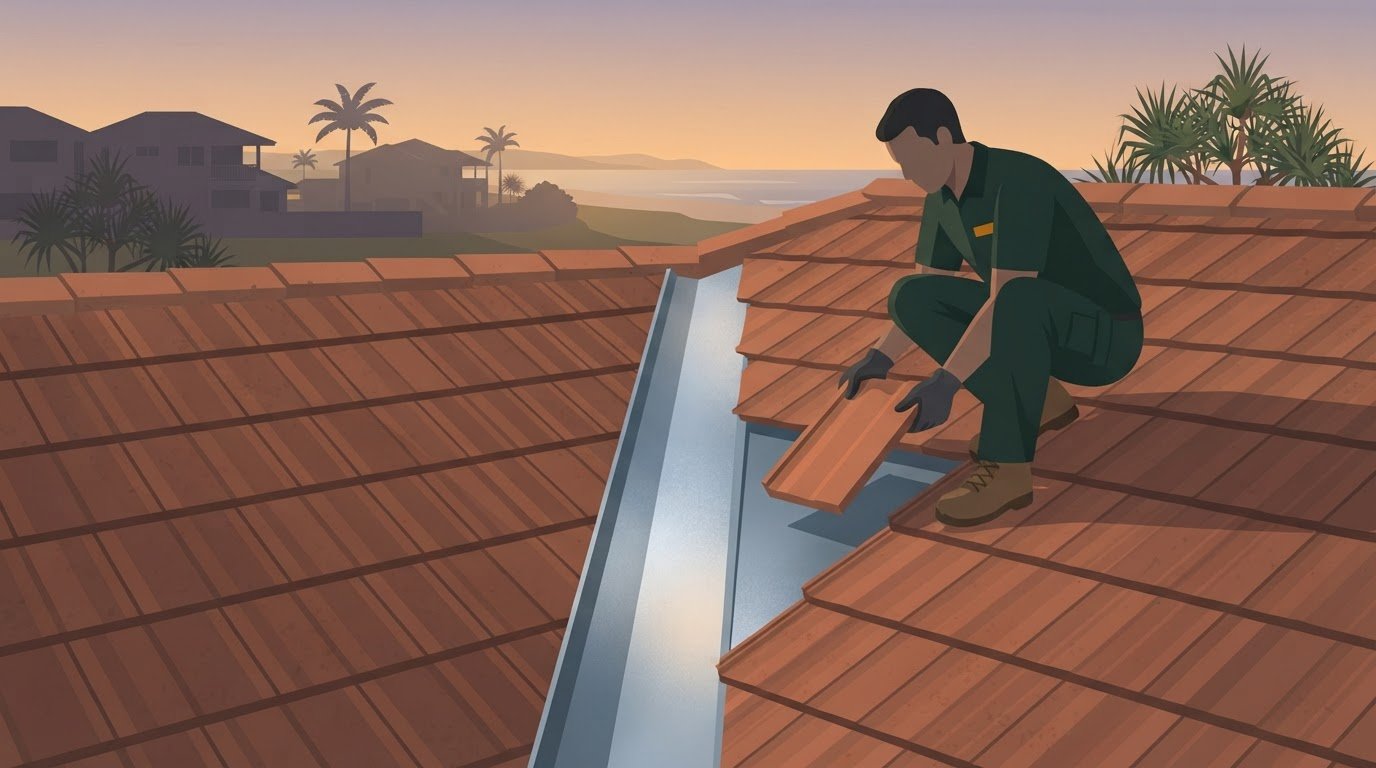
A roof valley channels water where two slopes meet. Leaves and debris can block drainage and hold moisture against valley iron. Clear the channel and check for corrosion, damaged sections and gaps before deciding whether sealing is suitable. Sealing can help direct water away from vulnerable areas, but it won’t fix every fault. Damaged valley metal may need repair or replacement rather than another surface layer.
Flashing leaks and resealing
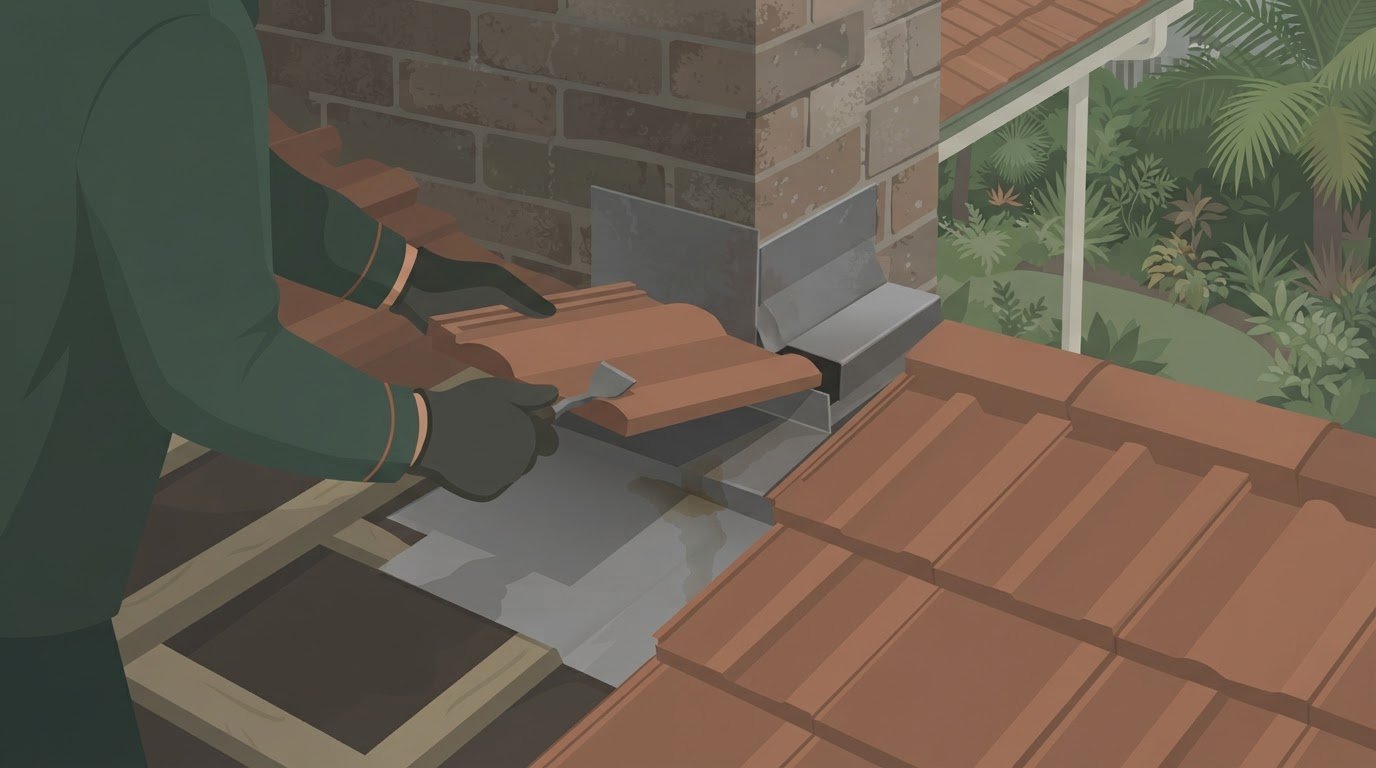
Flashing protects joins and roof edges where water could otherwise enter. On the Gold Coast, storms can loosen flashing or displace tiles and metal sheets, creating a path for rainwater. Look for lifted or cracked flashing and nearby signs of water entry. Depending on its condition, a repair may involve resealing or replacing flashing. Applying sealant over loose or damaged flashing can leave the underlying problem unresolved.
Common causes include storm damage, cracked or displaced tiles, damaged metal sheets, loose flashing and blocked drainage. Leaf litter trapped in a valley can hold moisture against metal and speed corrosion. Nearby trees may also drop branches or debris that block drainage points. After heavy rain, note fresh ceiling stains or dripping, and keep clear of electrical components affected by water.
For a temporary response, put a bucket indoors and move belongings away from the affected area. Don’t access the roof if it isn’t safe. Storm-damaged roofing may need a professional temporary make-safe, such as covering, until permanent repairs can proceed. Clearing debris from valleys and gutters helps water drain freely and reduces further water build-up.
Roof repair costs in Gold Coast
Roof repair costs on the Gold Coast depend on the fault and the work needed to fix it. A cracked tile, corroded valley iron and storm-damaged roof can each require different materials and labour. The price depends on the case and is given after a quote request; key factors include access, roof material, damaged areas and whether flashing or drainage needs attention.
For a useful comparison, request an onsite inspection and a written quote. Check that it identifies the leak source, repair method, materials and related work, such as clearing debris or replacing damaged tiles. The quote should distinguish essential repairs from optional maintenance. This makes it easier to compare the scope of work, not just the total.
How do you choose a licensed, insured roof repairer on the Gold Coast? Ask to see licence details and evidence of insurance, then request a written scope and quote. An inspection and photos of damaged areas can help explain why the proposed work is needed.
Do roof valley repairs need council approval or follow Queensland building rules? Requirements depend on the scope: a like-for-like repair differs from work that changes the roof structure. Before work starts, establish whether the proposed work needs approval under applicable Queensland building requirements or Gold Coast City Council processes.
Use the inspection findings to judge whether the proposed repair is appropriate. Replacing a damaged valley section may address a local fault, while cracked tiles or failing flashing elsewhere may need separate attention. Debris removal may also be included if it blocks water flow. Ask for each task to be tied to a specific finding so the scope explains what the work addresses.
Ready to define the scope of your roof repair? Request a roof inspection and quote based on the damage and materials identified.
Hop To It Roof Repairs: Roof Leak Detection
Hop To It Roof Repairs can help diagnose and repair a leaking roof valley. Its roof leak detection uses systematic testing to trace the likely entry point, and every fault found is documented in a photo report. You’ll also receive a detailed written report and fixed-price quote, so the proposed work is clear before it begins.
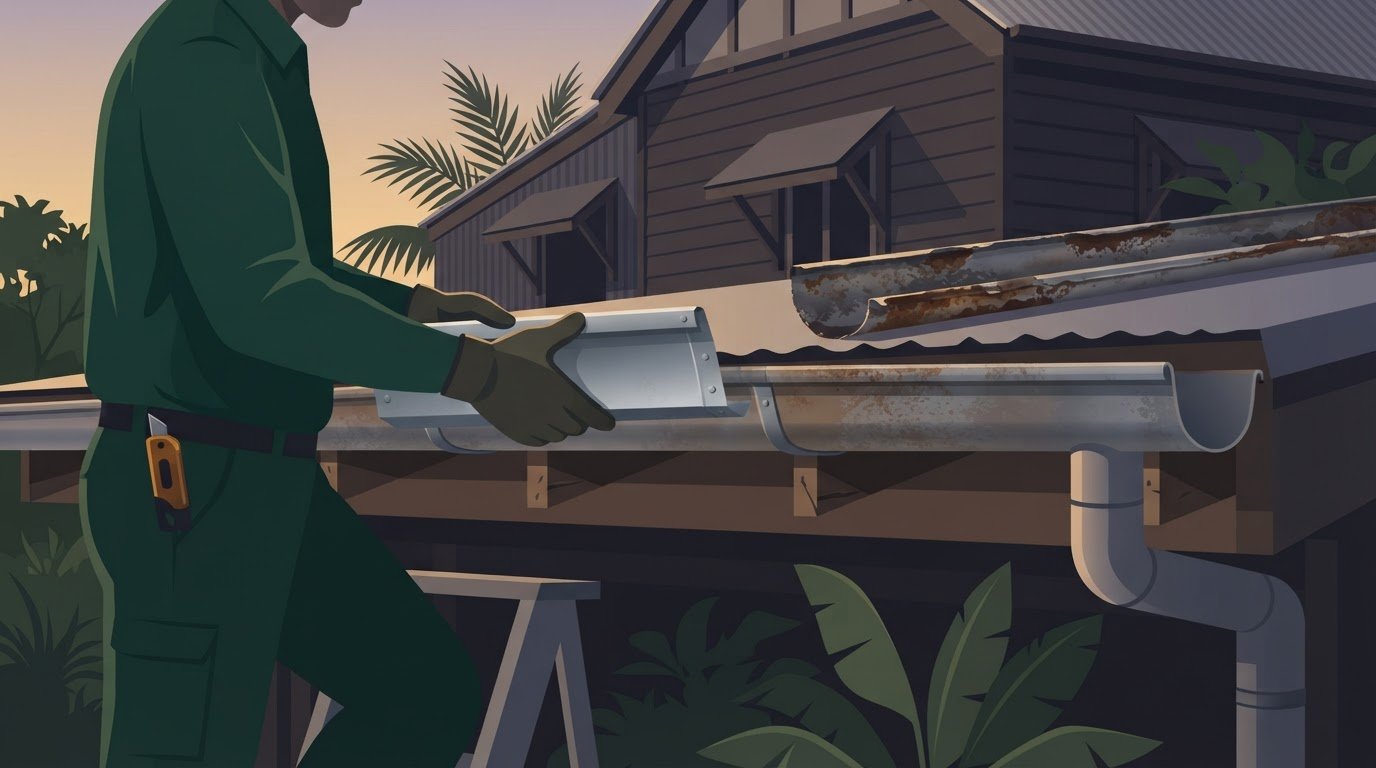
Depending on the roof, the work may involve Metal Roof Repairs, Tile Roof Repairs or attention to Gutters & Downpipes. This is a practical next step if water keeps entering during rain, you’ve spotted roof damage or the source remains unclear. Hop To It Roof Repairs is a QBCC Licensed roof plumbing company serving Brisbane, the Gold Coast, Redland Bay, Moreton Bay and Ipswich.
For help with a roof leak, contact Hop To It Roof Repairs or visit hoptoitroofrepairs.com.au.
Move from a recurring leak to a clear repair plan
Once water appears indoors, turn uncertainty into a documented repair decision. Note when the leak appears and which rooms are affected, then share that context during the assessment. This helps connect what you’ve noticed inside with what needs attention on the roof, without treating a ceiling mark as the diagnosis.
For leaking roof valley repair on the Gold Coast, prioritise a lasting fix over a cosmetic cover. Before work starts, make sure the written scope explains how the proposed repair addresses the identified cause. Keep the findings with your home maintenance records and watch for water returning after later rain.
After the repair, note whether the same area stays dry and whether new signs appear elsewhere. This gives you a clear basis for raising a fresh concern instead of relying on memory.
Hop To It Roof Repairs can help turn the concern into a practical next step. Contact Hop To It Roof Repairs to discuss your roof and arrange an assessment. You can move forward with a clear plan.
Frequently Asked Questions
Are there specific challenges to repairing roofs on the Gold Coast?
Yes. Gold Coast roofs face humid subtropical conditions, summer heat, intense rain and salt air, which can accelerate wear. Exposed coastal roofs may corrode, while storms can shift coverings or damage flashing. Roof material, position and condition all matter when planning repairs. The repair needs to suit the affected roof and account for the path water takes through it.
What are the signs of a leaking roof?
Common warning signs include fresh water marks, bubbling paint, mould, damp walls or a musty smell after rain. You might also notice dripping, missing tiles or cracked flashing outside. Note when the signs appear and which rooms are affected. If a mark darkens during rain but dries afterwards, record that pattern for the roof inspection.
What causes a roof valley to leak on the Gold Coast?
For leaking roof valley repair on the Gold Coast, common causes include corroded valley iron, damaged flashing and roof coverings shifted by storms. Leaves can trap moisture against metal and obstruct water flow. A leak may also come from nearby tiles or sheets rather than the valley itself. Diagnosis needs to trace the entry point, not assume the valley is responsible.
How do roofers repair a leaking tiled roof valley?
For a tiled roof, the repairer checks the affected section and nearby tiles for cracks, movement or poor fit. Damaged tiles may need replacement, and corroded or compromised valley iron may need repair or replacement. If water has travelled beneath the tiles, sarking or insulation may also need attention. The inspection determines the final scope beneath and around the affected area.
How do roofers repair a leaking metal roof valley?
On a metal roof, repairs may involve damaged sheets, valley sections or flashing, depending on the leak source. The inspection checks for corrosion, loose joins and failed seals around the affected area. If water enters at a fixing or sheet edge, sealing that point alone may not address damage elsewhere. The repair should target the identified entry path and affected components.
How do Gold Coast storms, salt air and heavy rain affect roof valley repairs?
Gold Coast summer storms can bring wind gusts above 125 km/h and 100 mm of rain in an hour. Heavy downpours test whether valleys and connected drainage can move water freely. Salt air can speed roof wear, while hot surfaces and storm exposure affect the condition of roofing materials. An inspection after severe weather helps identify damage that needs repair.