Industrial Roof Maintenance and Repairs in Ipswich
18 November 2026 · 11 min read
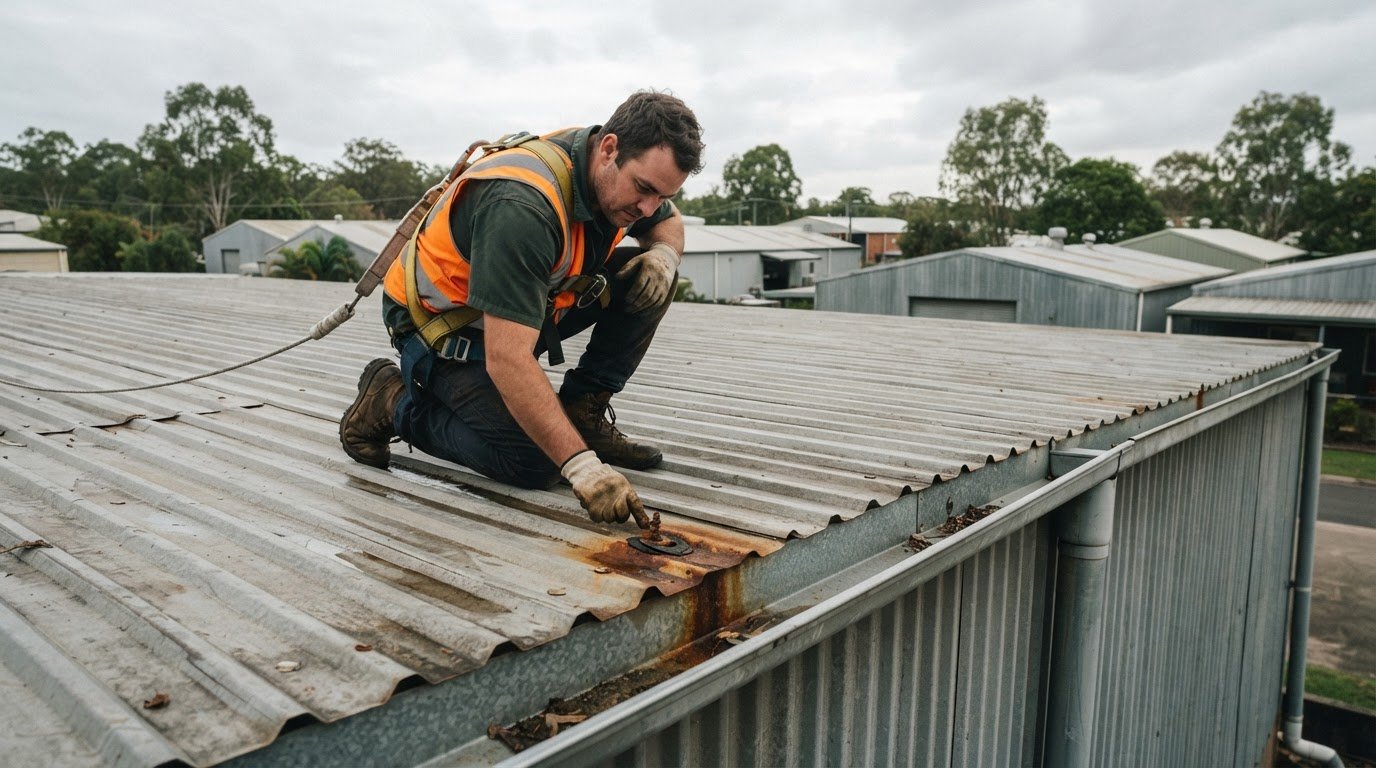
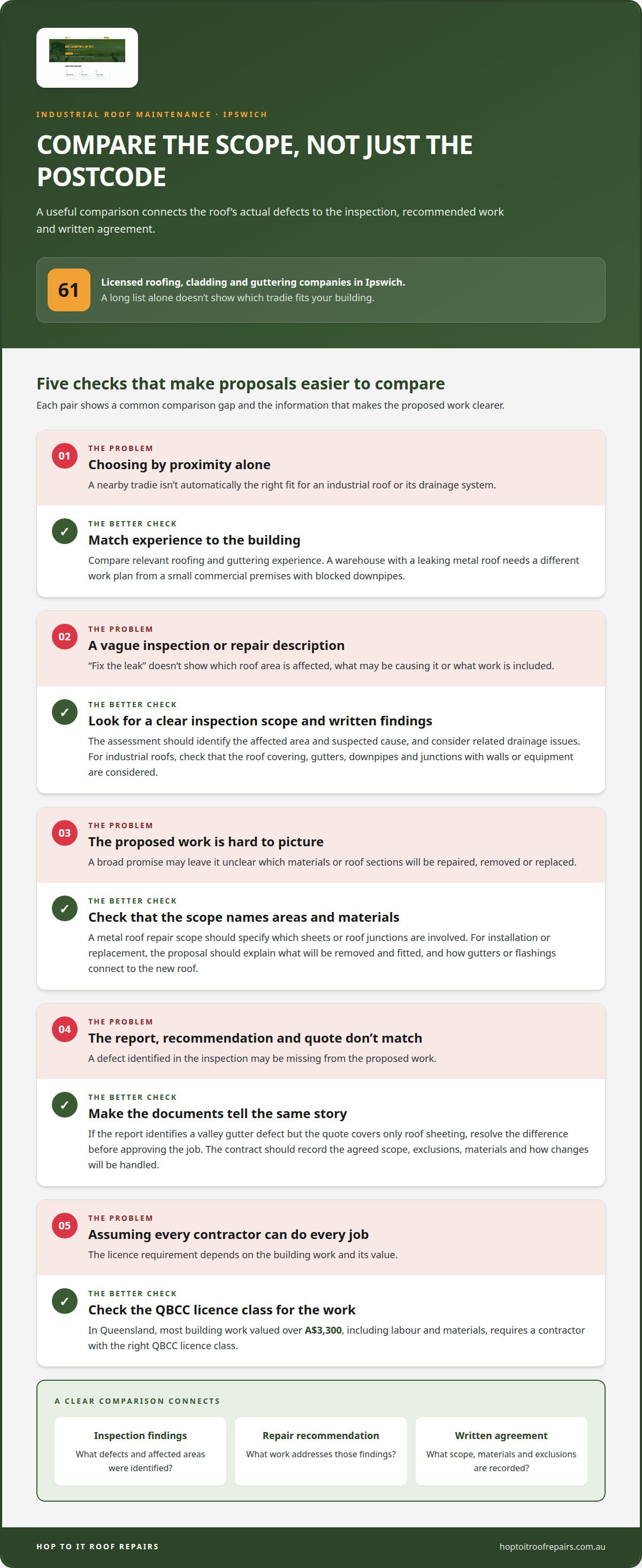
For industrial roof maintenance in Ipswich, compare tradies on relevant roofing and guttering experience, a clear inspection scope and written findings, not just proximity. Ipswich had 61 companies holding a roofing, cladding and guttering licence as of 17 November 2026. A long list doesn’t show which tradie is the right fit for your building.
It’s sensible to want a clear plan before work begins, especially when leaks or damaged gutters could disrupt operations. Start by understanding what the inspection covers, how repairs will be assessed and what documentation you’ll receive.
This guide explains what industrial roof maintenance and repairs can involve, what affects the work and how to assess local services. It also shows how leak detection, metal and tile repairs, and gutter work fit into a practical maintenance plan.
Key Takeaways
- Plan maintenance around Ipswich’s storm season, which typically runs from November through March, and prepare before the more intense summer weather.
- Arrange a professional roof inspection after significant hail, even when damage can’t be seen from the ground.
- Understand Queensland’s QBCC licensing rule: most building work valued over A$3,300, including labour and materials, requires a contractor with the right licence class.
- Include fall-arrest system inspections in your maintenance planning; Queensland requires cable-based systems to be inspected every six months.
Industrial roof repairs and maintenance in Ipswich
In Ipswich, arrange a professional inspection after significant hail, even if a ground-level check reveals no damage. The right response depends on the roof’s condition, defects and repair history.
Choosing repair, restoration or replacement
Choose a targeted repair when damage is isolated, such as a cracked tile or loose ridge cap. Other tile roof defects can include slipped tiles, damaged flashing and leaks around roof penetrations. Restoration may suit a roof with broader wear but a sound structure. Replacement becomes relevant when widespread deterioration makes repeated repairs impractical. Before recommending work, an inspection should assess the roof covering, joints, drainage and visible structural concerns.
Inspection and repair process
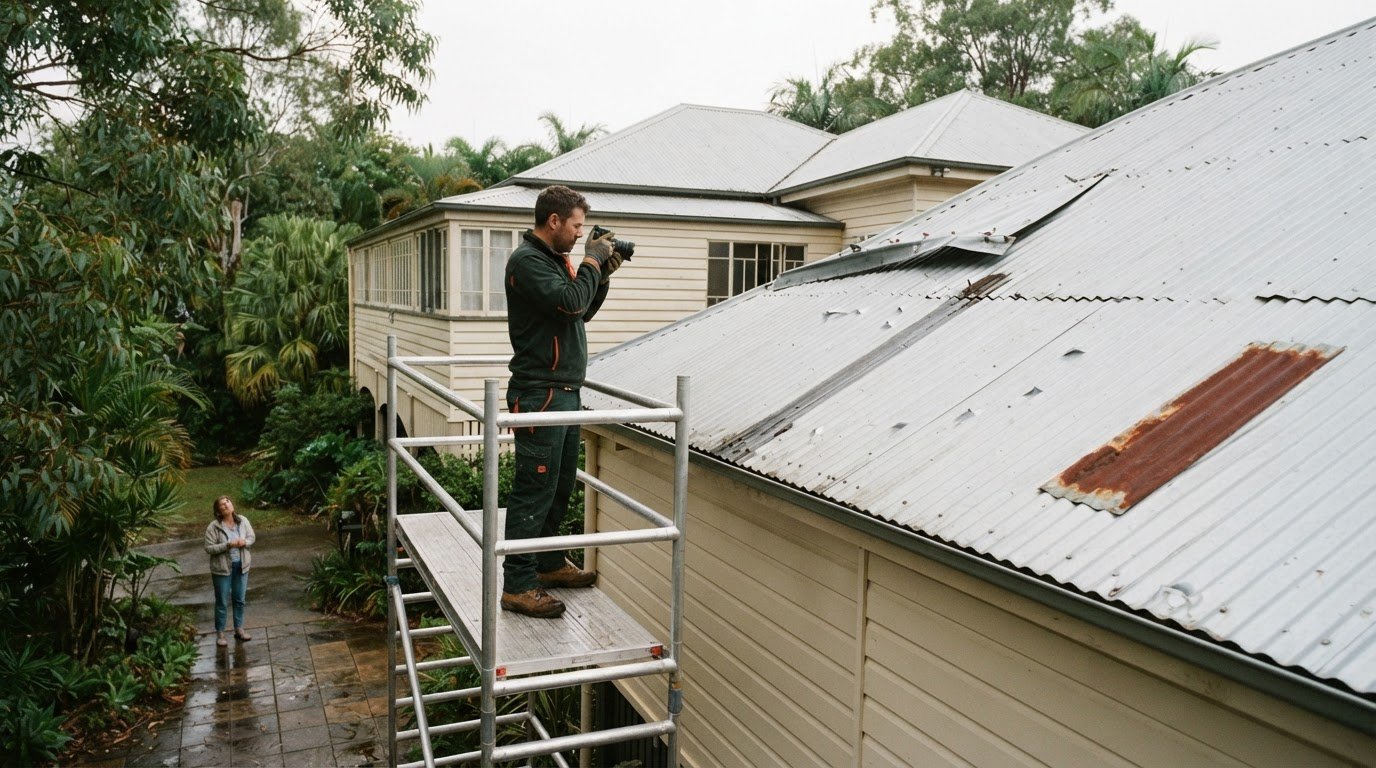
A professional inspection starts by locating the leak or storm damage and assessing the surrounding roof area. On tile roofs, this can reveal cracked or displaced tiles and other possible water entry points. The assessment should also cover flashings, valleys, gutters and downpipes, as faults in these areas can contribute to leaks. A repair scope should identify the affected sections and proposed work. After repairs, check the completed areas and record the findings in the building’s maintenance history.
Inspection frequency and maintenance
Plan inspections according to the roof’s condition, previous findings and exposure to weather. After significant hail in Ipswich, arrange a professional inspection even if you can’t see damage from the ground. Queensland requires cable-based fall-arrest systems to be inspected every six months. For work at heights, include access arrangements and fall-arrest equipment in the work plan. Record inspection findings and completed maintenance to help assess recurring defects against earlier reports.
Risks of delayed maintenance
A small leak can expose roof spaces and building contents to ongoing water entry. Untreated tile defects may also create further openings in heavy weather. Delaying repairs can let damage spread beyond the original fault and make the eventual work more extensive. The Australian Securities and Investments Commission (ASIC) describes a roof-damage insurance claim that was denied because maintenance issues were excluded. Keep inspection and repair records, and address identified defects promptly.
Commercial roofing services in Ipswich and South East Queensland
Commercial roofing work should suit the building’s use, roof materials and drainage needs. In Ipswich, a clear project scope helps owners distinguish routine maintenance from major replacement work.
Residential and commercial roof maintenance
A residential tile roof and a large commercial metal roof have different inspection priorities. At home, focus may be on cracked tiles, flashings and gutters near living areas. On commercial properties, assess roof penetrations, drainage paths and sections above workspaces or stored goods. In either setting, trace a leak to its entry point rather than simply treating the visible water stain.
Commercial and industrial roofing
Industrial roofs often span large work areas, so access, drainage and disruption all matter during a roofing project. In Ipswich, assess the roof covering, gutters, downpipes and junctions with walls or equipment. Metal roof repairs can address localised damage; tile repairs require compatible replacement tiles and careful attention to nearby sections. A written scope should explain which areas need work and why.
Replacing a roof is a bigger decision than repairing one damaged section. Assess the extent of deterioration, recurring leaks and the condition of connected drainage components. If targeted repairs can address the faults, full replacement may not be necessary. If damage affects multiple areas, compare the proposed scope with the inspection findings before proceeding.
A commercial roof installation or replacement project moves through defined stages: assess the existing roof, document the work area, agree on the scope, then complete and inspect the work. In Queensland, most building work valued over A$3,300, including labour and materials, must be carried out by a contractor holding a QBCC licence of the right class. This is one reason a clear scope matters.
For a local roof leak involving metal sheeting, metal roof repairs can address the damaged area without treating installation or full replacement as routine maintenance.
Finding and comparing roof maintenance tradies in Ipswich
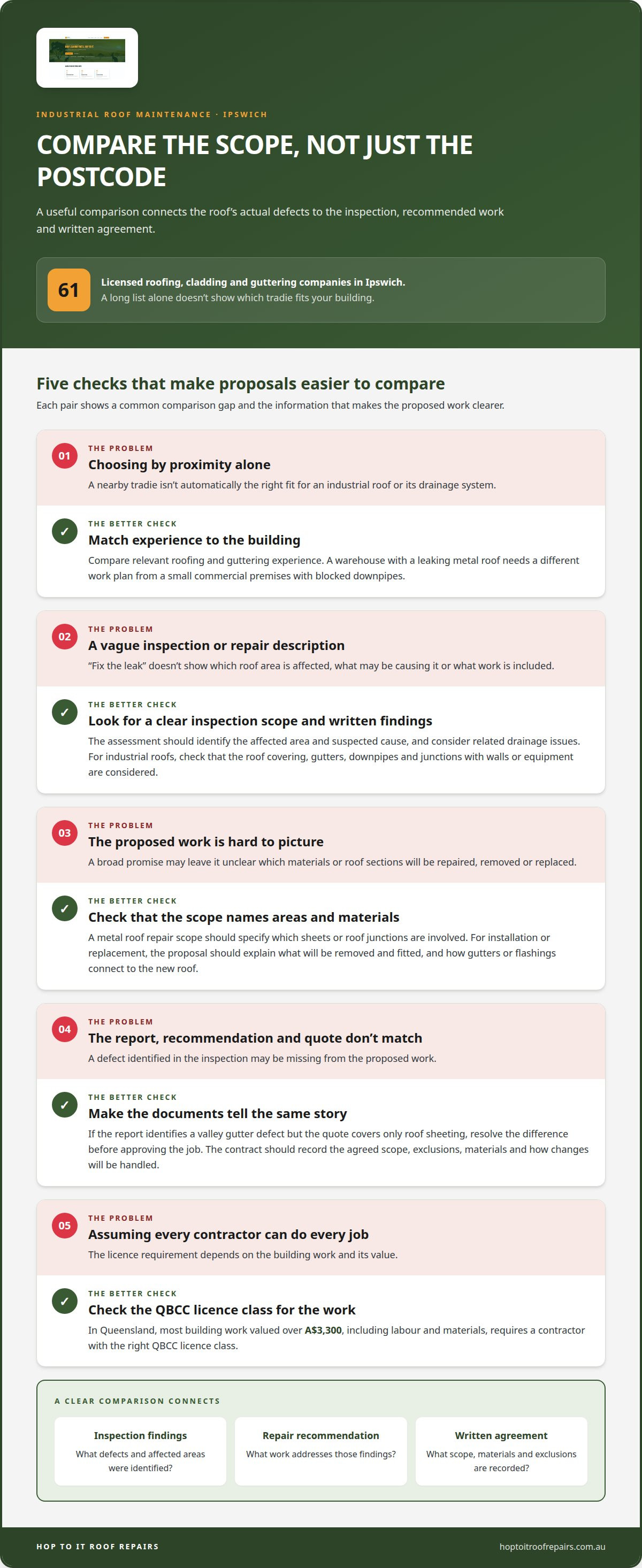
As of 17 November 2026, Ipswich had 61 companies licensed in roofing, cladding and guttering. Compare the proposed work, not just the number of businesses available. A useful scope connects each reported defect to a specific repair, inspection finding or maintenance task.
Start with the building’s specific needs. A warehouse with a leaking metal roof requires a different work plan from a small commercial premises with blocked downpipes. The scope should identify the affected roof area, suspected cause and any related drainage issue. This gives you a clear basis for comparing what each proposed job will deliver.
Look for a written description of the work and materials. For example, a metal roof repair scope should specify which sheets or roof junctions are involved, not simply promise to fix a leak. For installation or replacement, the proposal should explain what will be removed and fitted, and how gutters or flashings will connect to the new roof.
Check that the inspection findings, repair recommendation and contract all describe the same work. If a report identifies a valley gutter defect but the quote covers only roof sheeting, resolve the difference before approving the job. A clear contract records the agreed scope, exclusions, materials and process for handling changes. It should also explain how completed work will be checked and documented.
Proximity alone doesn’t establish suitability. A Brisbane-based tradie may travel to Ipswich, but the key question is whether the proposed work suits the property’s roof system and access needs. Ask for a written report with labelled areas or photographs where useful. Compare the scope against the same details: leak location, roof type, drainage and the work needed for a complete repair.
Use those details to compare equivalent scopes. A proposal that omits damaged drainage isn’t the same as one that addresses both the roof defect and its cause. A strong proposal clearly explains the recommended work, materials and completion checks before you accept the contract.
How often should industrial roofs in Queensland be inspected and maintained?
Set inspection timing according to the roof’s condition, exposure and repair history instead of using one interval for every building. In Ipswich, plan a review before storm season, which typically runs from November through March. The most intense storm events usually occur between December and February.
Use the building’s inspection record to plan the next review. A roof with recurring leaks, loose flashings or drainage problems needs closer attention than one with no recorded defects. Ask the roofing professional to record the condition of roof sheets or tiles, penetrations, gutters, downpipes and visible fixings. These findings provide a practical basis for planning follow-up maintenance.
Keep seasonal checks separate from inspections after a weather event. Significant hail in Ipswich warrants a professional roof inspection, even if you can’t see damage from the ground. Heavy rain can also reveal existing drainage problems. Record the date, affected area, findings and recommended action so building managers can track whether a defect returns.
A useful annual plan can include:
- A pre-storm-season inspection, with attention to known defects and water pathways.
- A prompt professional assessment after hail or visible storm damage.
- Follow-up maintenance based on recorded findings, roof material and exposure.
These are planning steps, not a universal statutory inspection interval for every roof. Separate equipment requirements still apply: Queensland requires cable-based fall-arrest systems to be inspected every six months. Keep those records with roof inspection reports, but treat them as distinct checks.
For an industrial roof maintenance plan in Ipswich, use the building’s condition and inspection history to set review priorities. Arrange a professional roof inspection to assess roof defects and identify the next maintenance steps.
Hop To It Roof Repairs
Hop To It Roof Repairs helps property owners address roof leaks and repair needs with clear findings and defined scopes. Turn to the team when an inspection reveals damaged metal or tile roofing, a leak that needs tracing, or gutter and downpipe problems affecting drainage.
The team provides Roof Leak Detection, Metal Roof Repairs, Tile Roof Repairs, and Gutters & Downpipes. Each job comes with a fixed-price quote and detailed written report, giving you clarity about the proposed work and a documented basis for deciding the next step.
Ready to discuss a roof issue? Contact Hop To It Roof Repairs to talk through the work required.
Set your next maintenance step
Turn inspection findings into a clear decision for your property. Record which areas need attention, the recommended work and how the result will be documented. A practical plan for industrial roof maintenance in Ipswich helps building managers schedule work and track recurring issues without treating every defect as a reason for full replacement.
Where the next step is professional roof work, Hop To It Roof Repairs can help with roof leak detection, metal roof repairs and tile roof repairs. Share the issue and relevant inspection findings to start a conversation about the work involved. Clear information helps keep the discussion focused on your roof’s condition and the repair required. Contact Hop To It Roof Repairs to discuss your roofing needs and move towards a practical next step.
Frequently Asked Questions
How can a roofing professional determine what has caused damage to your roof?
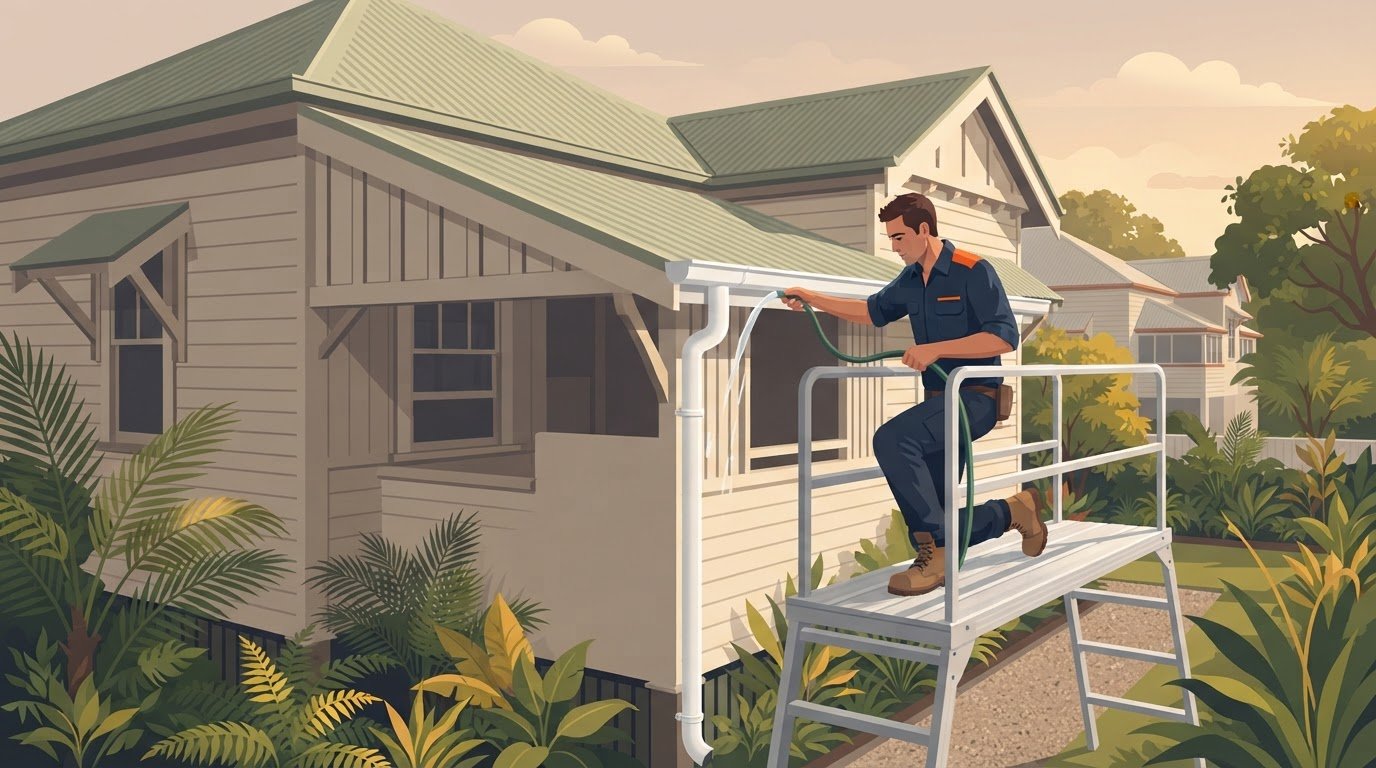
A roofing professional traces the water path and checks likely entry points instead of assuming a ceiling stain marks the leak. Hop To It Roof Repairs uses hose testing, water tracing and thermal checks to investigate roof leaks. For example, water entering near a valley may travel before appearing indoors. A photo report documents every fault found and shows where the problem needs attention.
How do you tell the difference between a repair job and a replacement?
A targeted repair suits an isolated fault when the surrounding roof remains serviceable; replacement may be considered if deterioration affects broader areas. An assessment can distinguish a single damaged metal sheet from widespread corrosion, or one broken tile from recurring failures across a roof. The recommendation should link the observed condition to the proposed scope, so you understand why targeted work or replacement is being considered.
How quickly can you respond to an urgent roof repair in Ipswich?
Response timing depends on urgency, roof condition and access requirements. When arranging help for active water entry or storm damage, explain what happened and which areas are affected. Emergency Temporary Make-Safe work can secure a property and limit further water entry while permanent repairs are planned. This temporary protection doesn’t replace assessing and addressing the underlying roof damage.
What does the repair process look like?
The process starts with arranging an inspection and describing the symptoms, such as water entering near a roof penetration. The roof is assessed to locate faults and define the repair scope. You receive a fixed-price quote and a photo report of every fault found. Once you approve the work, repairs are completed and backed by a workmanship warranty, with a clear record of the job.
What roofs can you repair?
Hop To It Roof Repairs works on both metal and tile roofing systems. Metal Roof Repairs can address failed fixings, flashings or damaged sheets. Tile Roof Repairs can cover cracked or broken tiles and ridge capping problems. The right repair depends on the roof material and identified fault, so the inspection should match the proposed work to the affected section.
What industrial roof maintenance services are available in Ipswich, Queensland?
Services include Roof Leak Detection, Metal Roof Repairs, Tile Roof Repairs, Gutters & Downpipes, and Emergency Temporary Make-Safe. Hop To It Roof Repairs serves Ipswich, Brisbane, the Gold Coast, Redland Bay and Moreton Bay. Every repair is backed by a workmanship warranty, and a photo report documents every fault found.