Getting a Roof Repair Quote for an Insurance Claim After a Storm
22 November 2026 · 12 min read
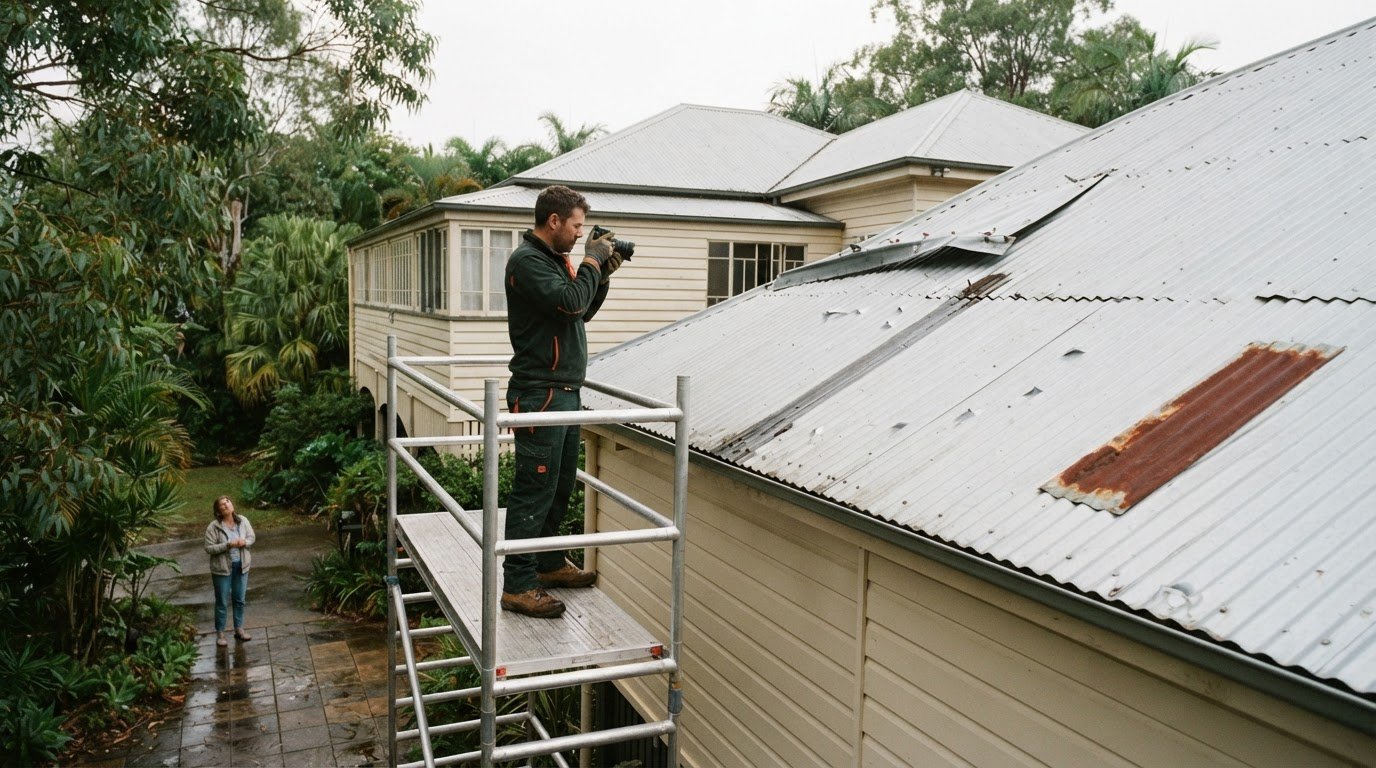
A storm-damaged roof can let water in before the damage is obvious. Getting a roof repair quote for insurance means documenting what changed, where it happened and how it affects the roof, then arranging an inspection-based repair scope. Clear evidence helps the insurer assess whether the damage relates to the storm or an existing maintenance issue.
It’s understandable to want urgent damage fixed straight away. While the insurer arranges an assessment, keep a clear record of the damage and any temporary work needed to limit further harm. Keep receipts for emergency materials, and don’t climb onto a damaged or wet roof.
This guide explains why documentation matters, what photos and written observations to gather, and what to look for in a roofing quote. You’ll also learn how to manage urgent repairs while awaiting insurer approval, so you can move from storm damage to a documented repair plan with less uncertainty.
Key Takeaways
- Document visible impact damage and changes to roof performance so the cause and extent are easier to assess.
- Use clear photos, written observations and relevant weather records to build a useful claim file.
- A detailed, inspection-based quote should set out the damage found, preparation work, repairs and materials.
- Give the roofer a clear account of the storm, the roof and the damage to help shape an accurate repair scope.
Why is documentation important for roof insurance claims?
Clear evidence helps connect roof damage to a storm and distinguish it from earlier deterioration. It also gives the insurer a defined repair scope to assess.
How a roofer records roof damage evidence
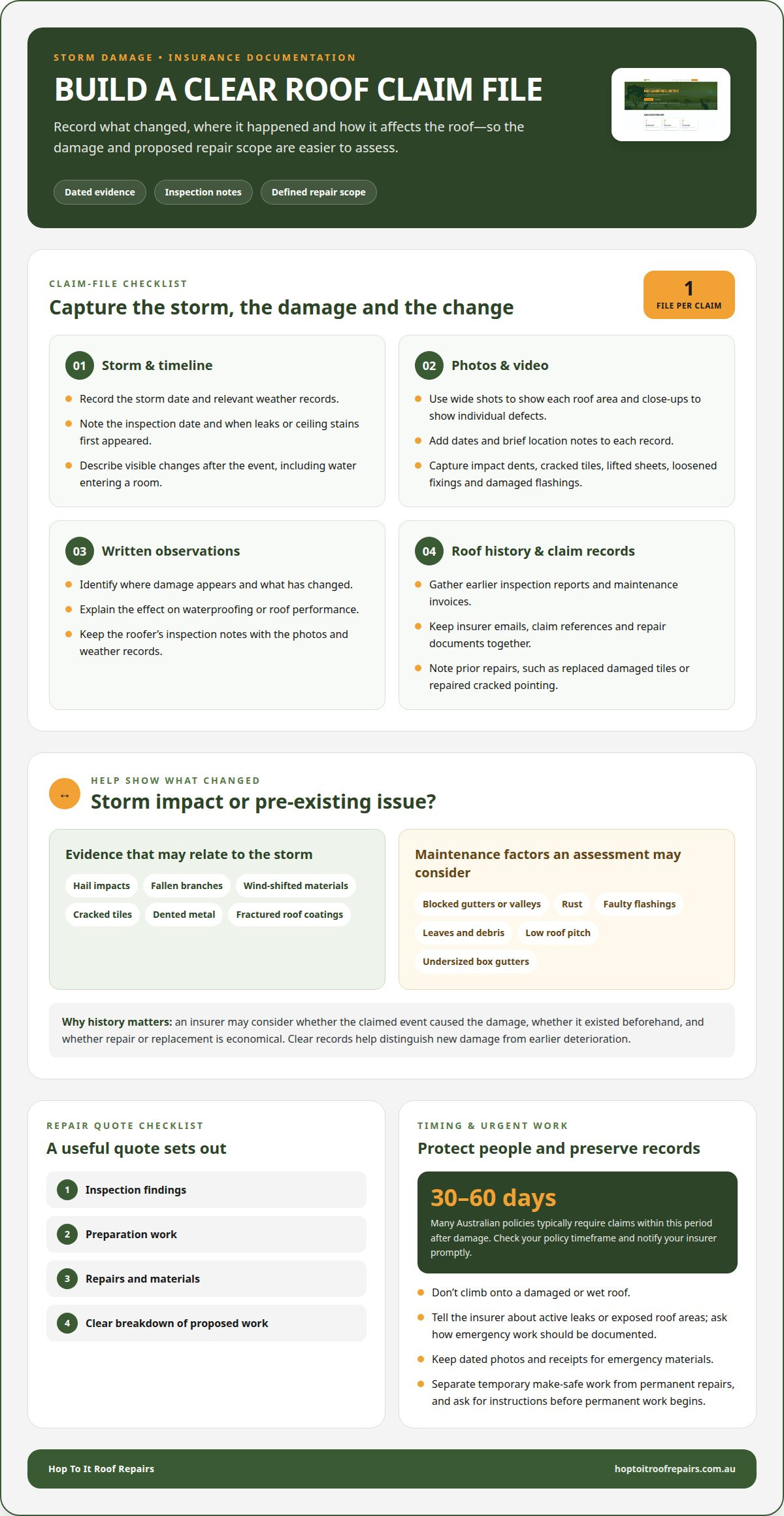
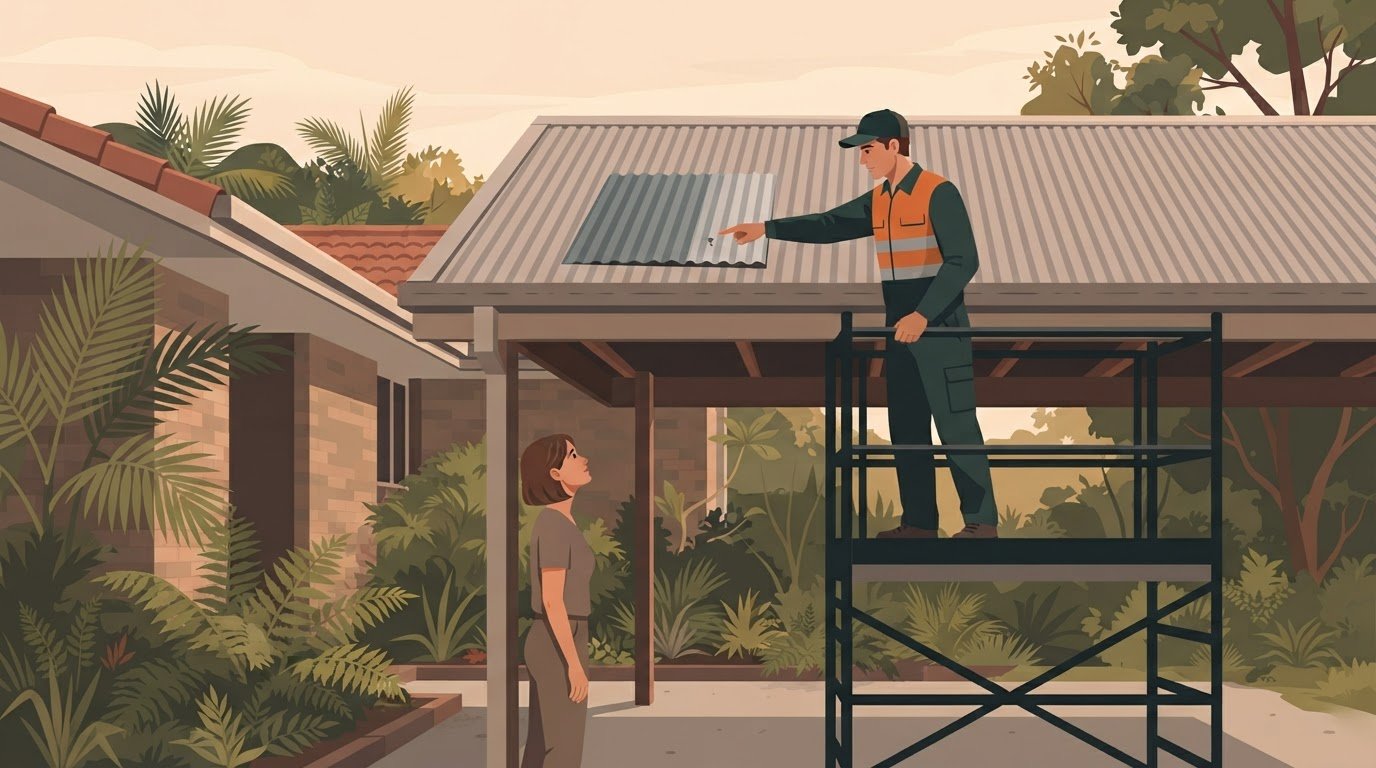
A roofer can photograph and video impact dents, cracked tiles, lifted sheets, loosened fixings and damaged flashings. Wide shots identify each roof area; close-ups show individual defects. Written observations should explain where damage appears and how it affects waterproofing or roof performance.
Weather records can help establish the storm timeline for a claim. Pair them with the inspection date and notes about visible changes. A close-up may show a defect, but not where it is or how it relates to the rest of the roof.
Wear, maintenance and pre-existing damage
Insurance policies typically distinguish sudden storm damage from wear and maintenance issues. Blocked gutters or valleys, rust, faulty flashings, leaves and debris can point to maintenance concerns. Low roof pitch, incorrectly installed flashings and undersized box gutters may also be treated as maintenance-related.
An assessment may consider the roof’s age and prior condition. Records of inspections, clear gutters, repaired cracked pointing and replaced damaged tiles can help show how the roof was maintained before the storm.
Storm damage and insurance assessment
Australian home and contents policies typically cover roof damage from sudden, accidental events such as storms, fallen trees, lightning and impact. Hail may dent metal, crack tiles or fracture roof coatings, weakening waterproofing before a leak becomes visible. Wind can shift roofing materials without leaving obvious damage.
An insurer’s assessor may consider whether the claimed event caused the damage, whether it existed beforehand, and whether repair or replacement is economical. Evidence of hail impacts, fallen branches or wind-blown materials can help distinguish storm damage from maintenance issues.
Quote details and settlement disputes
A useful insurance repair quote should state the inspection findings, preparation work, repairs and materials, with a clear breakdown of the proposed work. This gives the assessor a defined scope to compare with the documented damage.
If you disagree with a quote or cash settlement, ask the insurer for its reasons in writing. Review your policy’s Product Disclosure Statement, then lodge an internal complaint. If the dispute remains unresolved, you can contact the Australian Financial Complaints Authority at no cost.
Photographic and written claim documentation
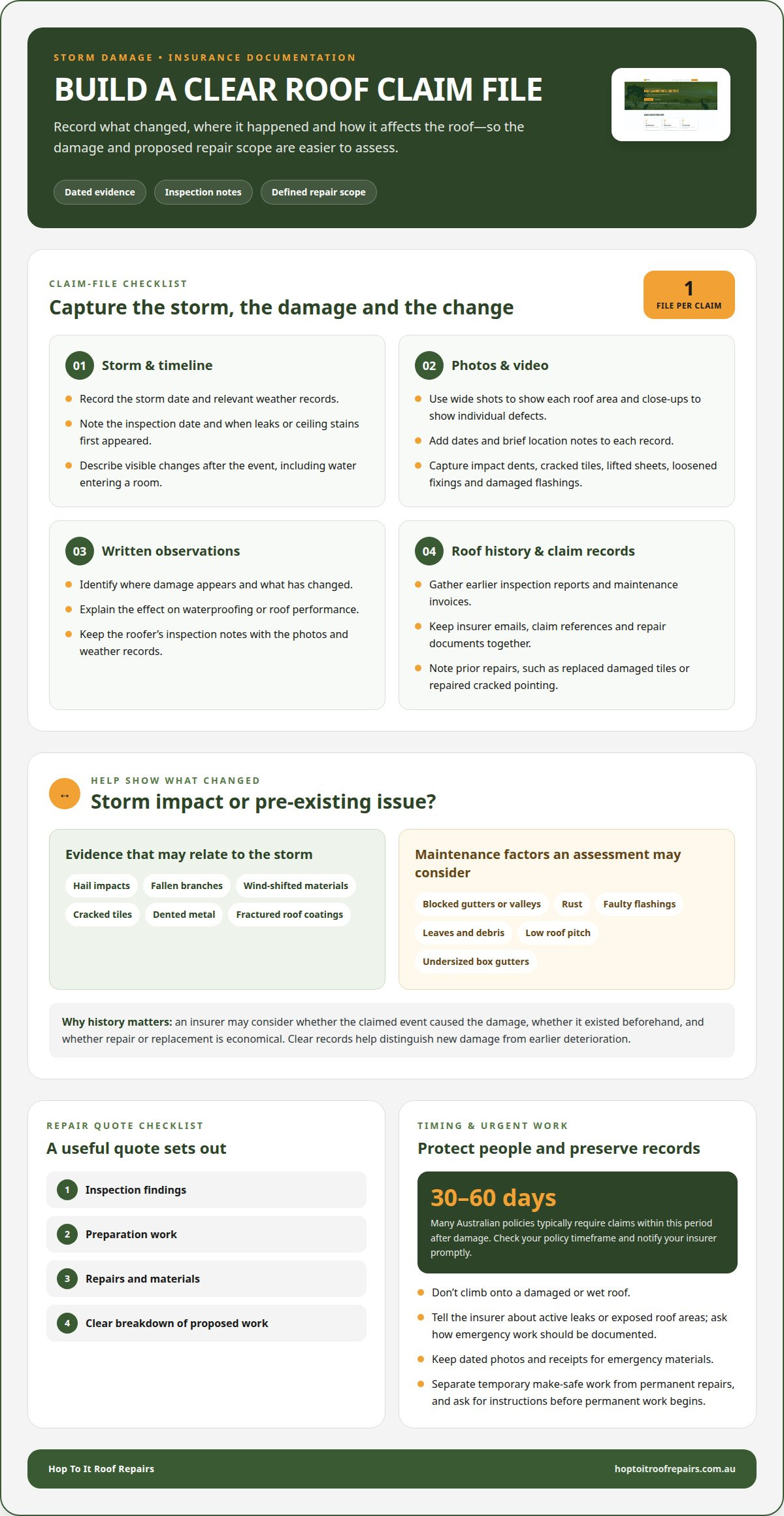
Build one claim file around the storm date, roof inspection and damage history. Dated records help the insurer compare the roof’s condition before and after the event, rather than relying on memory alone.
Keep the roofer’s written observations with photos and relevant weather records. Notes should identify the roof area, visible damage and effect on performance. For example, record whether water entered a room after wind shifted roofing material, even if the exterior damage is difficult to see.
- Save dated photos and video with brief location notes.
- Record when leaks or ceiling stains first appeared.
- Keep past inspection reports and maintenance invoices together.
- Store insurer emails, claim numbers and repair documents in one file.
Maintenance records can help distinguish a sudden event from older deterioration. Missing inspection history, unresolved defects or damage that predates the storm may complicate an insurance claim. An inspection report or earlier repair invoice can establish what was already present and what changed after the weather event.
Notify your insurer promptly and follow the timeframe in your policy. Many Australian policies typically require claims to be filed within 30 to 60 days following the damage. Common reasons for rejection include evidence that damage was pre-existing, maintenance-related, or not caused by the claimed event. Keep the insurer’s claim reference and submit supporting records through its stated process.
Before lodging, compare the documented repair scope with your policy excess and cover. The excess affects what you contribute towards an accepted claim, so consider whether the repair scope and policy terms make lodging worthwhile. Don’t assume the full repair amount will be paid.
If a suspected leak needs a professional assessment, roof leak detection can help identify where water is entering and what requires attention.
Arranging professional emergency roof repairs while awaiting insurer approval
After a storm, a damaged or wet roof can let more water inside. Notify your insurer as soon as possible, describe the immediate risk and ask how it wants emergency work documented. Don’t climb onto the roof. A professional can assess access and arrange temporary protection without putting you at further risk.
Separate temporary make-safe work from permanent repairs. Make-safe work aims to limit further damage, such as covering an exposed area or securing displaced roofing material. Keep dated photos of the affected area and record what the work addresses. Save receipts for emergency materials, which are usually reimbursable.
- Tell the insurer about active leaks or exposed roof areas.
- Keep receipts, inspection notes and photos together.
- Ask for the insurer’s instructions before permanent repair work begins.
The insurer may arrange its own inspection and compare findings before approving roof repair costs. The assessment can consider storm damage, the proposed scope and whether the work is temporary or permanent. Make sure the inspection record clearly identifies any urgent risk and the protection already in place.
Once approval and payout are issued, permanent repairs can be scheduled. The quote should distinguish make-safe work from repairs that replace damaged tiles or metal roofing. That separation helps show what was done to prevent further water entry and what remains to restore the roof.
Keep communication in writing where possible. Note when you notified the insurer, its claim reference and any instructions about inspections or repairs. If the insurer’s assessor has not inspected yet, preserve the available evidence and avoid removing damaged materials unless needed for safety or urgent protection.
Professional emergency temporary make-safe work can help stabilise the roof while the claim proceeds. Clear records of each inspection and repair step give the insurer a traceable account, from the first report through approval and permanent repairs.
What information should I provide to get an Australian roof repair quote for an insurance claim?
To make getting a roof repair quote for insurance more straightforward, give the roofer a clear timeline and enough detail to plan an inspection. Include the storm date, when you first noticed damage, and whether water entered the home. Say whether the roof is metal or tiled, and describe affected areas such as a ridge, valley, flashing or gutter. Include your insurer’s claim reference, if you have one.
- Provide the property address and safe access details for the inspection.
- Describe visible damage, leaks and any temporary protection already arranged.
- Share relevant photos, videos, weather records and earlier inspection notes.
- Include insurer instructions or assessment documents, if available.
Specific observations help focus the inspection. For example, note whether a ceiling stain appeared after the storm, a downpipe overflowed, or a tile was already cracked. Separate what you saw before the event from what changed afterwards. This helps document the roof’s prior condition alongside the damage being assessed.
The inspection should establish visible damage and the work needed. A clear quote sets out findings, preparation work, repairs and materials, with a breakdown of the proposed scope. If the insurer arranges a separate assessment, those details help identify differences between the inspection findings and the insurer’s proposed work.
Keep the information together rather than sending scattered updates. A short timeline, labelled images and insurer paperwork give the roofer a practical starting point. Clear inspection details help with getting a roof repair quote for insurance. If you’re unsure where a leak is entering, arrange professional roof leak detection to help identify the affected area.
Hop To It Roof Repairs
Hop To It Roof Repairs can turn storm-damage findings into a clear, inspection-based repair quote and written report. This gives you a practical scope to share with your insurer and helps show which work addresses the identified damage. Every job includes a fixed-price quote, a detailed written report and a photo report of every fault found.
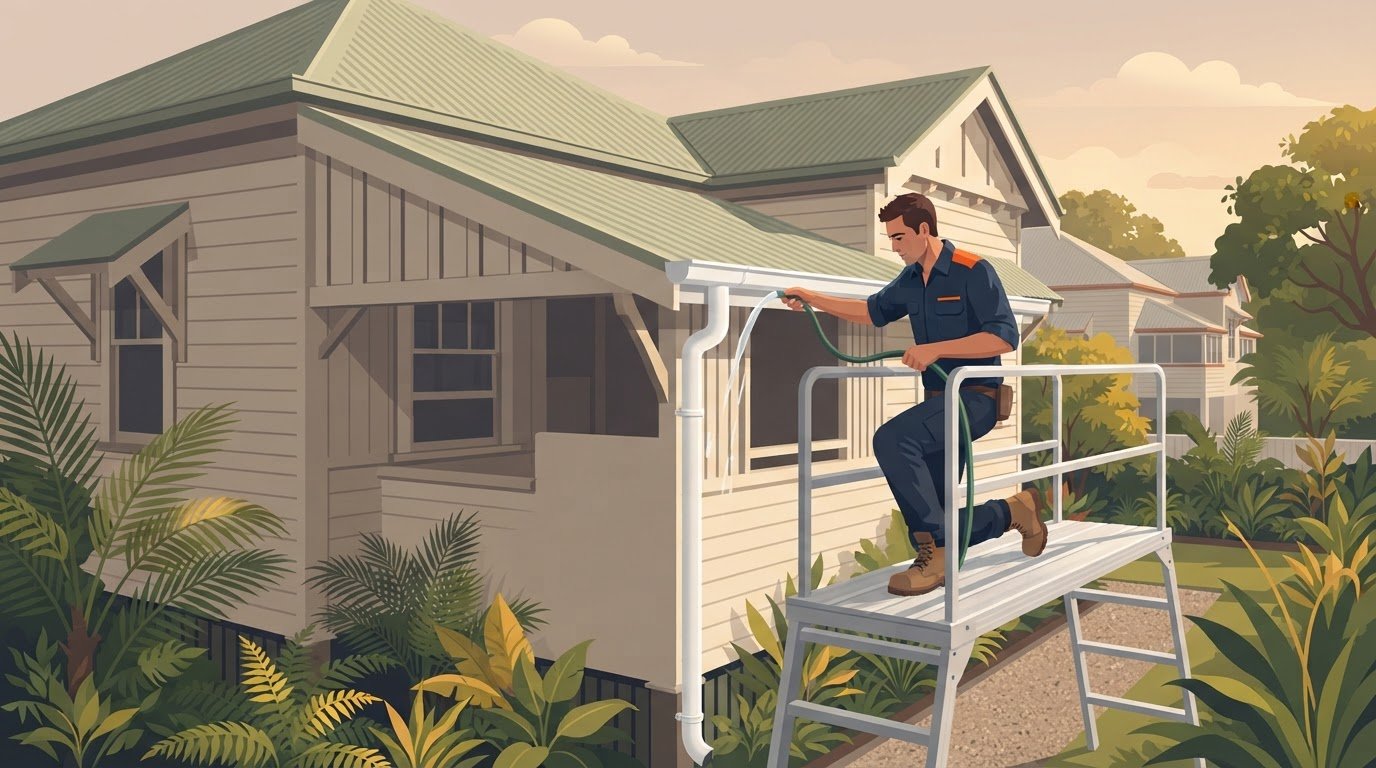
Turn to Hop To It Roof Repairs for roof leak detection or an assessment of metal or tile roof damage. The inspection can identify affected areas and clarify the repairs needed. The team also repairs gutters and downpipes affected by storm damage. Hop To It Roof Repairs serves Brisbane, the Gold Coast, Redland Bay, Moreton Bay and Ipswich. Keep your claim reference and insurer’s instructions ready so the repair documentation aligns with your claim process.
For a documented assessment of storm-related roof damage, contact Hop To It Roof Repairs to discuss your quote.
Move your claim towards a clear repair plan
Once your insurer has the evidence and a repair scope, keep the next decision practical: understand which work is approved, what remains disputed and what needs attention to protect the property. A well-prepared quote gives you a clearer basis for that conversation. Getting a roof repair quote for insurance can also help define the repair work before permanent repairs proceed.
Hop To It Roof Repairs provides roof leak detection and repairs to metal or tile roofs across Brisbane, the Gold Coast, Redland Bay, Moreton Bay and Ipswich. An inspection can identify affected areas and outline the work needed, giving you a useful record to discuss through your claim process.
Contact Hop To It Roof Repairs to discuss an inspection and quote for your storm-damaged roof. A clear next step can make the path from claim assessment to repairs easier to manage.
Frequently Asked Questions
What Happens Next?
After you submit a claim, keep the insurer’s claim reference and note any requested documents. The insurer may assess the roof itself or arrange an inspection before deciding what work it will cover. Review the proposed scope against the damage identified. If an item is missing, ask the insurer to explain its decision and how to provide relevant supporting information before permanent work proceeds.
What If Your Claim Is Rejected?
Ask the insurer to explain the rejection in writing, then compare its reasons with your policy’s Product Disclosure Statement and the evidence for your claim. If you disagree, lodge an internal complaint and include relevant inspection findings or records. If the dispute remains unresolved, the Australian Financial Complaints Authority can consider complaints at no cost. Keep copies of correspondence and responses together.
What happens if storm damage is missed initially?
Tell your insurer as soon as you discover additional damage, even if the original assessment has finished. For example, a ceiling stain or leak may appear after the first inspection. Record when you noticed it and arrange professional documentation of the newly visible issue. Ask the insurer how to submit the additional evidence and whether it needs another inspection before repairs proceed.
Should I contact my insurer before arranging roof repairs in Australia?
Yes. Notify the insurer promptly and ask about its assessment process before arranging permanent repairs. If water is entering, prioritise professional temporary protection to limit further damage, and keep records of the work and related receipts. Don’t climb onto a damaged roof. Tell the insurer what urgent work is needed and retain damaged materials where practical until it advises how to proceed.
How many roof repair quotes do Australian insurers usually require?
The number depends on the insurer’s claim process and instructions for your claim; there isn’t one standard number that applies to every Australian policy. Some claims may proceed with the insurer’s own assessment, while others may require an independent repair quote. Review the written claim instructions and ask the insurer to specify the required scope and documents before arranging additional quotes.
What does a roof inspection and repair quote cost in Australia?
There isn’t one fixed Australian fee for every roof inspection or quote. The amount depends on factors such as roof type, access, damage location and the inspection work required, and is provided after a quote request. A repair quote should clearly identify the proposed work and materials, so you can understand the scope before considering it alongside your insurer’s assessment.