How Long Should a Roof Repair Last? What Homeowners Need to Know
27 September 2026 · 16 min read
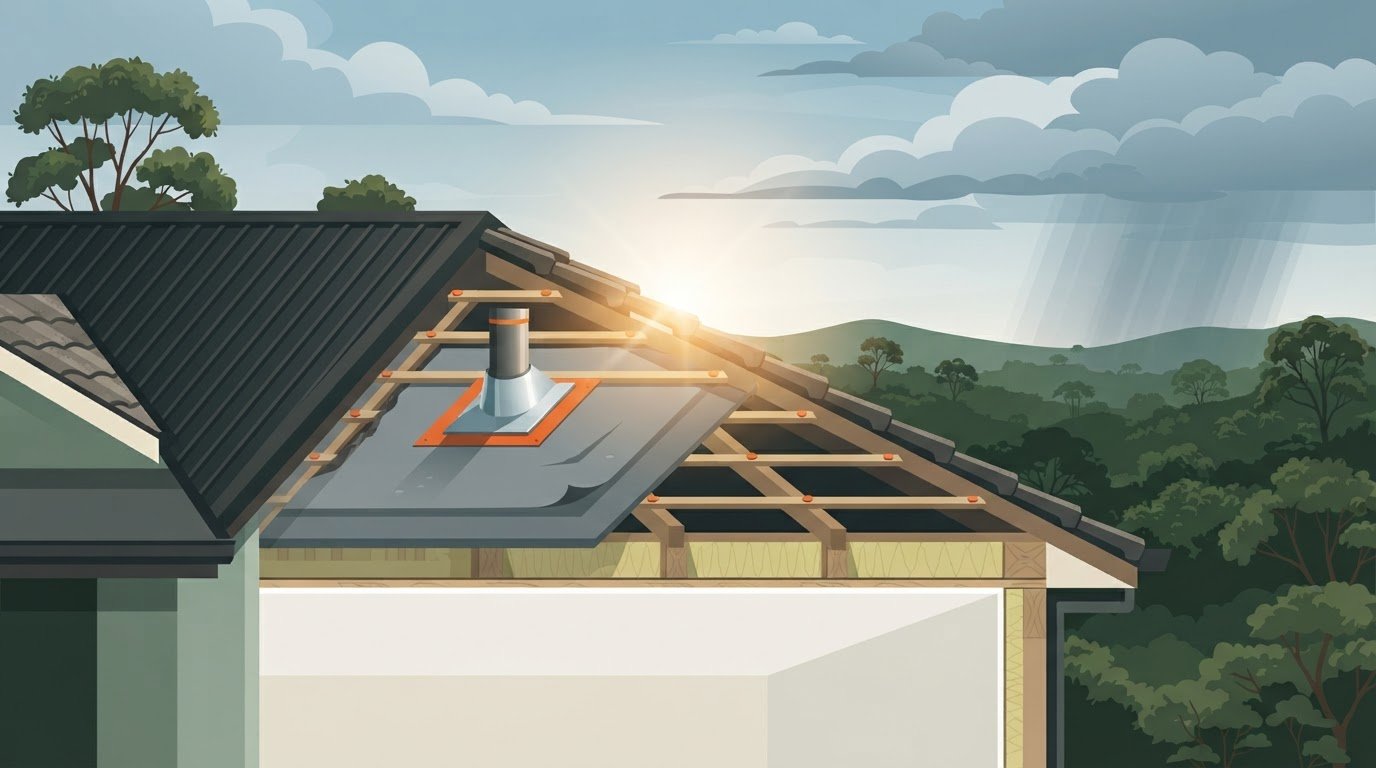
A roof repair doesn’t come with one reliable lifespan. So, how long should a roof repair last? It depends on whether the underlying fault was correctly diagnosed, whether the repair suits your roof and how well it stands up to Queensland’s weather. If a leak returns after heavy rain, it’s reasonable to ask whether the work addressed the cause or only the visible damage.
There’s no single number that applies to every repair. The fault, materials, roof condition, workmanship and exposure to wind and rain all matter. A written report can record the diagnosed cause and completed work, while a fixed-price quote helps define what the repair includes. Check the workmanship warranty’s written terms too. They explain the coverage, but aren’t a promise of a particular repair lifespan.
This guide explains why repair lifespans differ, which early signs may point to a problem and what to ask before choosing a repairer. You’ll also learn what evidence to keep and what to do if a leak returns, so you can decide on a practical next step with less uncertainty.
Key Takeaways
- There’s no universal answer to how long should a roof repair last. The cause, repair scope, materials, workmanship and exposure all play a part.
- Addressing the source of a leak matters more than covering the visible damage with a surface patch.
- Metal and tile roofs have different repair needs. Know which faults and signs of wider deterioration to watch for.
- Before work begins, ask for the diagnosed cause, agreed scope, materials and exclusions in writing.
- Compare repairers by their relevant roof experience and clear documentation, and check the specific workmanship warranty terms.
How long should a roof repair last? Why there is no single answer
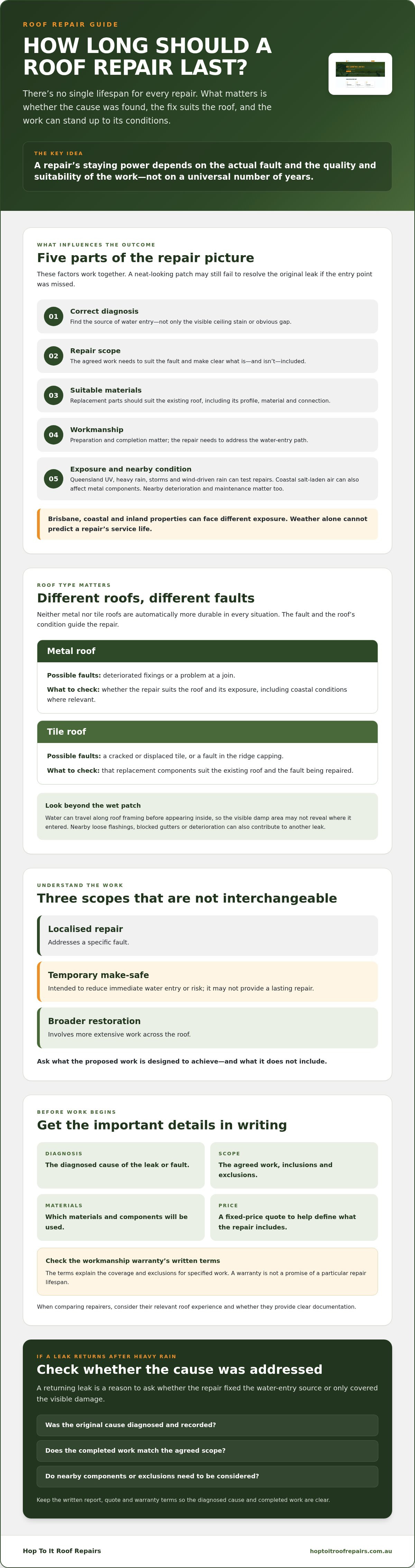
There’s no set lifespan that applies to every roof repair. If you’re asking how long should a roof repair last, the answer depends on what failed, whether the underlying cause was fixed, the materials and workmanship, and the roof’s exposure to weather. Replacing a damaged tile is a different job from repairing a leak caused by a failing roof junction or several deteriorated components.
Be clear about the type of work being discussed. A localised repair addresses a specific fault. A temporary make-safe is intended to reduce immediate water entry or risk, and may not provide a lasting repair. Broader restoration involves more extensive work across the roof. These scopes aren’t interchangeable, so ask what the proposed work is designed to achieve and what it doesn’t include.
What a durable roof repair means: It addresses the source of water entry, uses suitable materials and is completed to suit the roof, with nearby components and ongoing maintenance considered. It doesn’t mean a guaranteed number of leak-free years.
What does a durable roof repair actually mean?
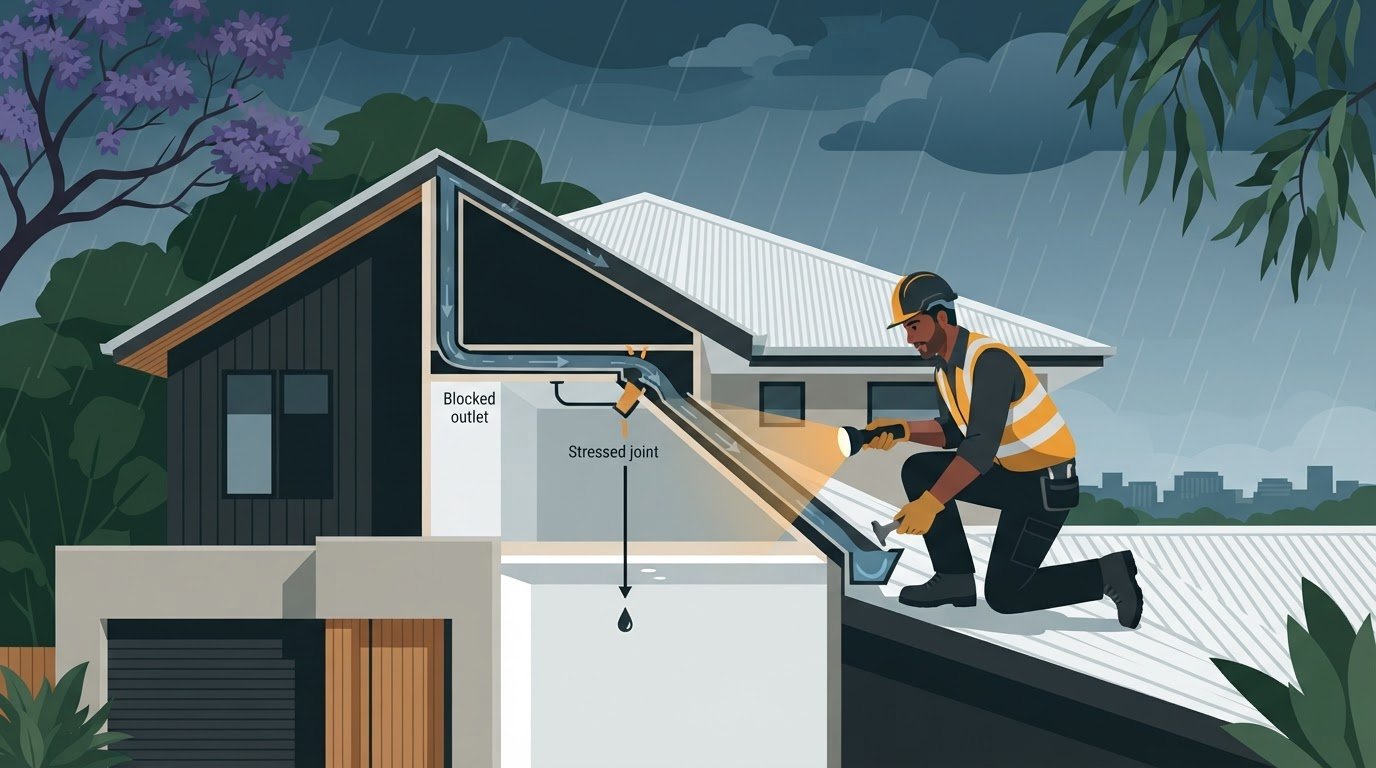
Water can appear inside the house some distance from where it enters the roof. A repair that only covers the visible ceiling stain or seals an obvious gap may miss the real fault. The issue could involve a roof sheet, tile, flashing or another junction where water can get in, so diagnosis matters.
Even a correctly repaired section relies on surrounding components continuing to perform. Blocked gutters, loose flashings or deterioration nearby can create another leak. Ask for the diagnosed cause and completed work to be recorded in writing. Also distinguish the repair’s expected service life from its workmanship warranty. A warranty sets out terms for specified work; it isn’t a prediction of how long every roof repair will last. Check the written coverage and exclusions.
Why Queensland conditions change the equation
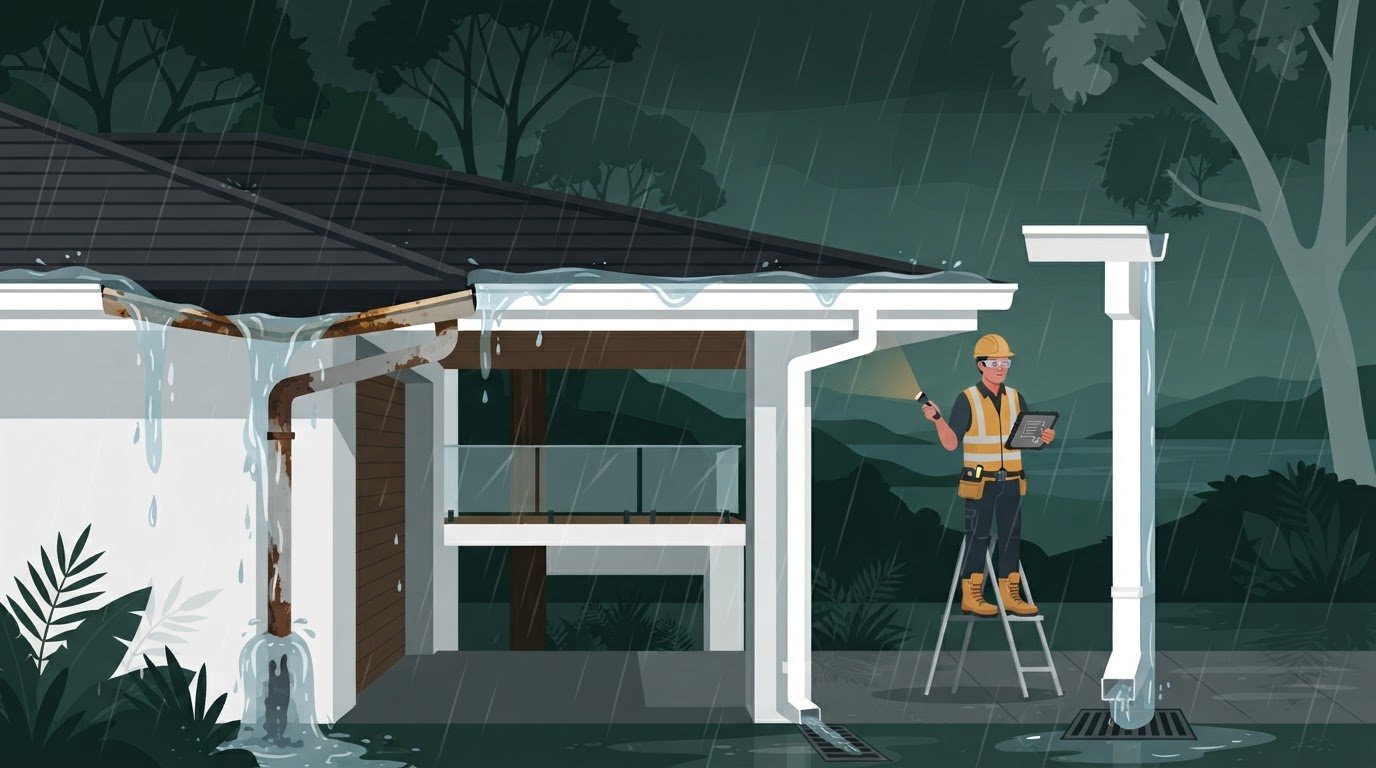
Queensland roofs face strong UV exposure, heavy rain and storms that can test materials, fixings and repair details. A repair that seems sound in dry weather may be challenged when wind drives rain across the roof. Around the Gold Coast and other coastal locations, salt-laden air can also affect metal components. The effect depends on the roof and its exposure, so don’t assume a universal corrosion timeline.
Brisbane homes, coastal properties and houses further inland can face different conditions. If you’re comparing roofing materials, Asphalt shingles are one option to learn about, though their materials and repair methods differ from those used on Queensland metal and tile roofs. Focus on whether the proposed repair suits your roof and its exposure, rather than relying on a lifespan estimate detached from the actual fault.
What determines how long a roof repair lasts in Queensland?
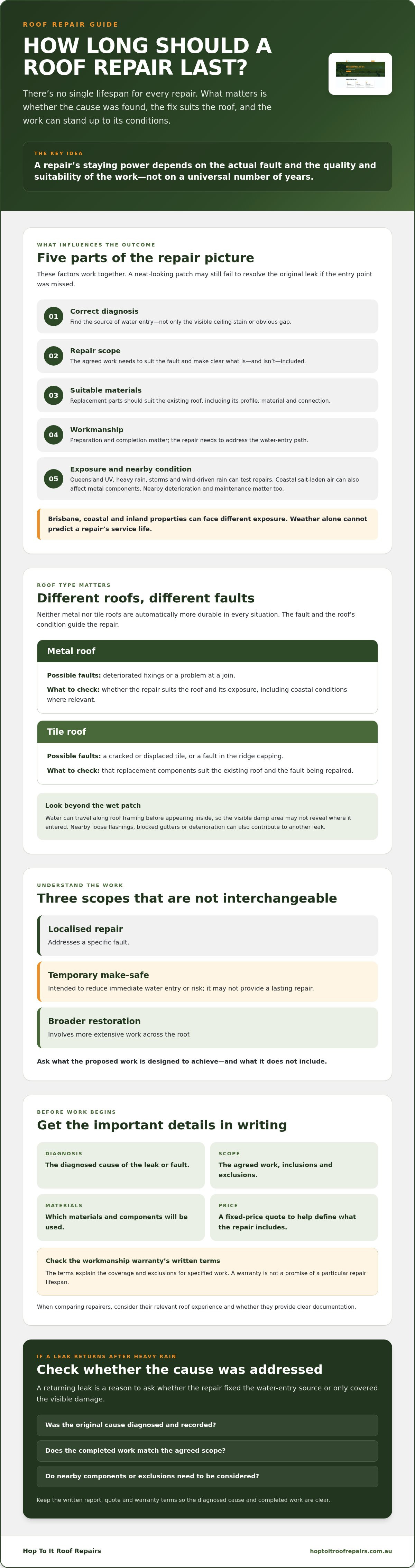
A repair’s staying power depends on more than the material used. Diagnosis, agreed scope, replacement components, installation and the conditions around the roof all influence how well the work performs. If the source of water entry is missed, even a neat-looking repair may leave the original leak path unresolved.
A roof repair is more likely to perform well when the cause is correctly diagnosed, the scope suits the fault, compatible materials are used, workmanship is sound and exposure is considered.
Does the roof material or repair type make a difference?
Yes, but neither metal nor tile roofs are automatically more durable in every situation. On a metal roof, deteriorated fixings or a problem at a join may allow water in. On a tile roof, a cracked or displaced tile, or a fault in the ridge capping, may be the issue. The right repair depends on the specific roof system and its condition.
Replacement components need to suit the existing roof. A mismatch in profile, material or connection can affect how the repaired area sheds water. Leaks can also travel along roof framing before becoming visible inside, so the wet patch may not point to the entry point. A careful inspection helps identify the fault before a repair is selected.
How workmanship, weather and maintenance affect durability
Preparation and completion matter. If a repair is applied over a damaged or poorly prepared area, or leaves part of the original water entry path untouched, the leak may return. Ask what was found, which components will be repaired or replaced, and whether nearby issues fall outside the agreed scope.
Storms, wind-driven rain and UV exposure put different stresses on roof materials and repair details across Queensland. A Brisbane roof and a Gold Coast roof may face different exposure, but weather alone can’t predict the service life of a particular repair. Check the roof visually from the ground after severe weather. Look for changed or displaced materials, debris or signs of water inside. Don’t climb onto the roof; arrange an inspection if you spot a concern.
Clear documentation makes the work easier to assess. A written report can record the diagnosed cause and completed work, while a fixed-price quote can set out the agreed scope. If you’re checking a contractor’s Queensland licence details, consult the Queensland Building and Construction Commission. For a suspected leak, professional roof leak detection can help establish where water is entering before repair work is considered.
Metal roof vs tile roof repairs: what affects their staying power?
There’s no reliable rule that metal or tile repairs always last longer. The fault, condition of the surrounding roof and quality of the repair all matter. A single damaged component may need a localised repair. Widespread deterioration or leaks that keep returning can point to a broader problem, so ask for a fuller inspection before agreeing on the scope.
| Roof type | Common fault | Possible repair scope | What to monitor |
|---|---|---|---|
| Metal | Deteriorated fixings, faulty laps, flashing or penetrations | Repair or replacement of affected components, with nearby details checked | Loose or raised sheets, signs of water entry, or changes around roof openings |
| Tile | Broken or displaced tiles, damaged ridge capping or flashing faults | Replace affected tiles or address the relevant capping or flashing issue | Further displaced or damaged tiles, movement along the ridge, or recurring leaks |
This comparison is a starting point, not a diagnosis. If damage appears across several areas, or a leak returns after a repair, ask whether the proposed work addresses one component or a wider deterioration pattern. A written report can clarify what was found and what the agreed repair covers.
What can influence a metal roof repair’s lifespan?
On a metal roof, the inspection may need to cover fixings, sheet laps, flashing and penetrations such as roof openings. These details help manage water flow, so a fault in one area can allow water beneath the sheets. Replacement materials should suit the existing roof system, and the detailing needs to resolve the specific fault. For homes near the coast, ask for the metal components and site exposure to be considered rather than relying on a general lifespan estimate.
What can influence a tile roof repair’s lifespan?
A broken tile, displaced tile, ridge-capping fault and flashing problem are different repair situations. Replacing one visibly damaged tile may not stop water entry if a nearby tile or junction is also compromised. An inspection should consider the surrounding roof area, not just the spot visible from the ground. If faults are widespread or leaks recur, ask the repairer to explain whether a localised fix remains appropriate.
So, if you’re weighing up how long should a roof repair last for your roof type, focus on the diagnosed cause, exact scope and components involved. A minor repair and a response to broader deterioration shouldn’t be judged by the same expectations.
How to check whether a roof repair is likely to last
You can’t confirm a repair’s future performance by appearance alone. Before approving work, get the diagnosis and scope in writing. After completion, check the report against what was agreed and watch for changes, especially after rainfall.
Questions to ask before approving a roof repair
Use these questions to clarify what the repair is intended to fix:
- What caused the leak or damage? Ask how the proposed work addresses that specific cause, rather than only the visible symptom.
- What’s included and excluded? Confirm which roof components will be repaired or replaced, what materials will be used, and whether nearby areas will be assessed.
- What’s covered by the warranty? Request the written terms. Ask whether coverage relates to workmanship, materials or both, and check any exclusions. A warranty period and a repair’s service life aren’t the same thing.
A clear quote helps you understand the agreed scope before work starts. Ask for the diagnosed cause and proposed repair details in writing, so you can compare the completed work with the plan.
What to check after the repair is complete
Once the work is finished, use this checklist:
- Review the report. Check that it records the fault identified and the work completed.
- Compare the work with the agreed scope. If anything differs, ask the repairer to explain what changed and why.
- Watch for returning symptoms. New or recurring ceiling marks, dampness or visible changes to roof materials after rain warrant follow-up.
- Stay off the roof. Don’t climb up to inspect it. If signs of a leak persist or return, contact the repairer for reassessment or seek help from a licensed roof plumbing specialist.
Keep your quote, report and warranty terms together. If you need to review what workmanship coverage can and can’t mean, read Roof Repair Workmanship Warranty: A Homeowner’s Guide to Real Protection. It can help you ask more specific questions, but always rely on the written terms for your repair.
If you’re still weighing up how long should a roof repair last for your home, start with a clear diagnosis and documented scope. For help investigating a suspected leak, arrange roof leak detection with Hop To It Roof Repairs.
Choosing a roof repairer for a lasting fix in Brisbane and beyond
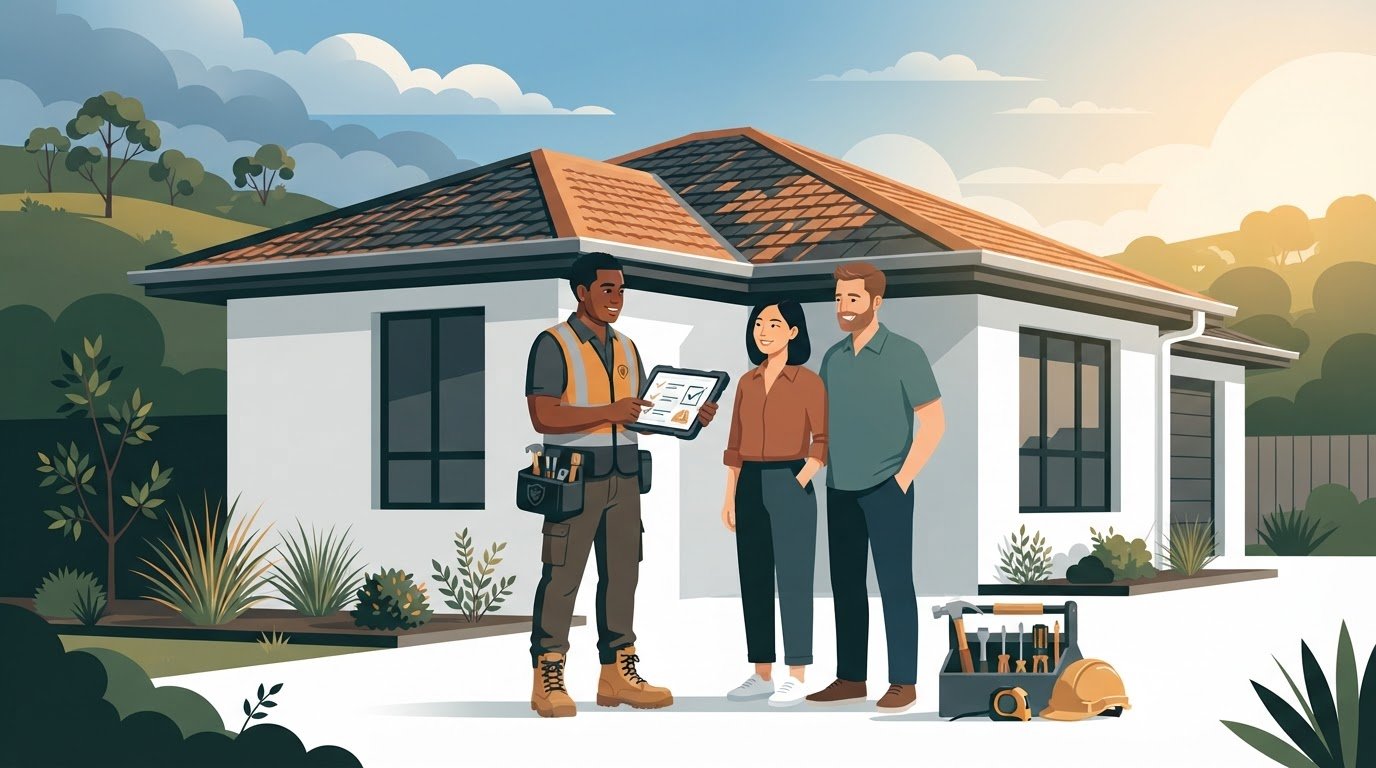
A credible repairer should explain the fault, the work proposed and how you’ll know what was completed. Don’t judge a quote on price or a broad promise of quality alone. Check whether the repairer has experience with your roof type and whether the written scope gives you enough detail to compare the proposed work.
What evidence should a reliable roof repairer provide?
Before approving a repair, ask for the following in writing:
- Relevant credentials and experience: Check applicable licence details and ask about experience with your metal or tile roof.
- A clear diagnosis and scope: Look for an explanation of the suspected cause, proposed work, materials, exclusions and any adjacent components that need assessment.
- A record of completed work: A detailed report should help you understand what was found and what was done. Compare it with the original scope.
- Written warranty terms: Confirm what the workmanship warranty covers, what it excludes and whether separate material coverage applies. Warranty terms are not a guarantee of a particular repair lifespan.
A fixed-price quote can make the agreed repair scope easier to assess before work begins. If a quote is vague, ask for clarification rather than assuming a particular component or follow-up task is included.
When should you request a professional reassessment?
Contact the repairer if water entry returns, spreads or appears in a different part of the home. A new ceiling mark doesn’t automatically mean the original repair failed. Water can travel before it becomes visible, and a fresh leak may have a separate cause. Share when you noticed the symptom, what the weather was like and any photos taken safely from inside or ground level. Don’t climb onto the roof.
For more on tracing a leak to its source, see Professional Roof Leak Detection Brisbane: Finding the Source, Not Just the Stain. It’s a useful next read if the visible stain doesn’t clearly match the suspected entry point.
Hop To It Roof Repairs serves Brisbane, the Gold Coast, Redland Bay, Moreton Bay and Ipswich, with metal and tile roof repairs, fixed-price quotes and detailed written reports. Its workmanship warranty has specific terms to confirm for the repair. If you’re comparing options and still asking how long should a roof repair last, start with the evidence: a documented cause, a defined scope and clear coverage. Roof leak detection can help clarify the source before you decide what repair is needed.
Choose your next step with confidence
There’s no single number that answers how long should a roof repair last. Durability depends on finding the real cause, agreeing on a repair scope that suits the roof and completing the work properly. A clear report helps you check what was diagnosed and done, while written warranty terms explain what coverage applies. Neither should be treated as a promise of a set repair lifespan.
If a leak returns or appears elsewhere, don’t assume it’s the same fault. Record what you’ve noticed and arrange a professional reassessment. Clear documentation can help you understand the issue and decide what needs attention next.
Hop To It Roof Repairs is a QBCC-licensed roof plumbing specialist serving Brisbane, the Gold Coast, Redland Bay, Moreton Bay and Ipswich. It provides fixed-price quotes, detailed written reports and a workmanship warranty, with terms to confirm for your specific repair.
Request a clear roof repair assessment and written scope to discuss the suspected leak, understand the proposed work and take a documented next step.
Frequently Asked Questions
How long should a roof repair last?
There’s no single lifespan that applies to every roof repair. If you’re asking how long should a roof repair last, the answer depends on the fault, repair scope, materials, workmanship and exposure to Queensland weather. A repair that addresses the source of water entry may perform differently from a temporary make-safe or a patch that doesn’t resolve the cause. Ask for the work and its warranty terms in writing, and don’t treat the warranty as a lifespan promise.
Can a roof repair last as long as the rest of the roof?
It can perform well for the remaining life of the roof, but that can’t be assumed. The roof’s age and condition, the quality of the repair and nearby components all matter. For example, replacing a damaged tile may resolve one local fault, while deterioration across the surrounding roof could create further problems. Ask the repairer whether the issue appears isolated and what conditions nearby could affect the repaired area.
What causes a roof repair to fail early?
A repair may fail early if the original water entry point wasn’t correctly identified, the agreed work didn’t address the full fault, or materials and detailing weren’t suitable for the roof. Nearby damage can also allow water in, even after the visible problem is fixed. Storms and wind-driven rain may expose weaknesses. If symptoms return, check the written scope and report, then ask the repairer to reassess the roof.
Do metal roof repairs last longer than tile roof repairs?
Not automatically. Repair performance depends on the specific fault and how it’s addressed, not simply whether the roof is metal or tile. A metal roof repair may involve fixings, laps or flashing; a tile roof repair may involve broken tiles, ridge capping or flashing. A localised fault differs from widespread deterioration on either roof type. Compare the diagnosis, proposed scope and materials rather than assuming one category lasts longer.
Does a roof repair warranty tell me how long the repair will last?
No. A warranty sets out the coverage and conditions that apply to specified work; it isn’t a prediction of the repair’s service life. Ask whether the written terms cover workmanship, materials or both, and check exclusions and any steps you need to take if an issue returns. Hop To It Roof Repairs provides a workmanship warranty, but you should confirm the terms that apply to your specific repair.
What should I do if my roof leaks again after a repair?
Contact the repairer and explain when the leak returned, where you’ve noticed dampness or ceiling marks, and whether it followed rainfall. A leak in a different spot may have a separate cause, as water can travel before appearing indoors. Keep your quote and repair report handy. Don’t climb onto the roof to investigate. Hop To It Roof Repairs serves Brisbane, the Gold Coast, Redland Bay, Moreton Bay and Ipswich.
How can I make a roof repair last longer?
Start by choosing a repair that addresses the diagnosed cause, then keep the quote, report and warranty terms for reference. Check the roof visually from the ground after severe weather for obvious changes, and pay attention to new ceiling marks or dampness. Keep gutters and downpipes maintained so water can drain away, and seek professional advice if symptoms appear. Don’t walk on the roof, as this can be unsafe and may disturb materials.