Health risks from a leaking roof: symptoms and prevention
19 November 2026 · 12 min read
A roof leak can affect more than the ceiling: damp materials can support mould growth and aggravate asthma or allergies. The health risks from a leaking roof may include coughing, sneezing, itchy eyes and skin irritation, particularly for people who are more sensitive to mould. Moisture can also remain hidden in roof spaces, insulation and walls.
It’s easy to focus on the visible stain, but it may not show where water is entering or how far dampness has spread. Finding and fixing the source of moisture is an important step in reducing the conditions that allow mould to grow.
Here, you’ll learn how a leaking roof can lead to mould, which symptoms exposure may cause, and why people with asthma or allergies may need to take dampness seriously. You’ll also find practical ways to reduce risk, from keeping gutters and downpipes clear to addressing roof damage and indoor humidity. If water is near wiring or electrical fittings, treat it as a safety concern and keep clear.
Key Takeaways
- Trace dampness beyond visible ceiling stains, as water can spread into insulation, roof spaces and walls.
- Notice whether indoor symptoms worsen around damp areas, especially if someone has asthma or allergies.
- Reduce mould-friendly conditions by addressing roof moisture and keeping indoor humidity in check.
- Roof inspections can help locate hidden leak sources and identify repairs suited to metal or tile roofing.
How Can I Prevent Molds From Growing?
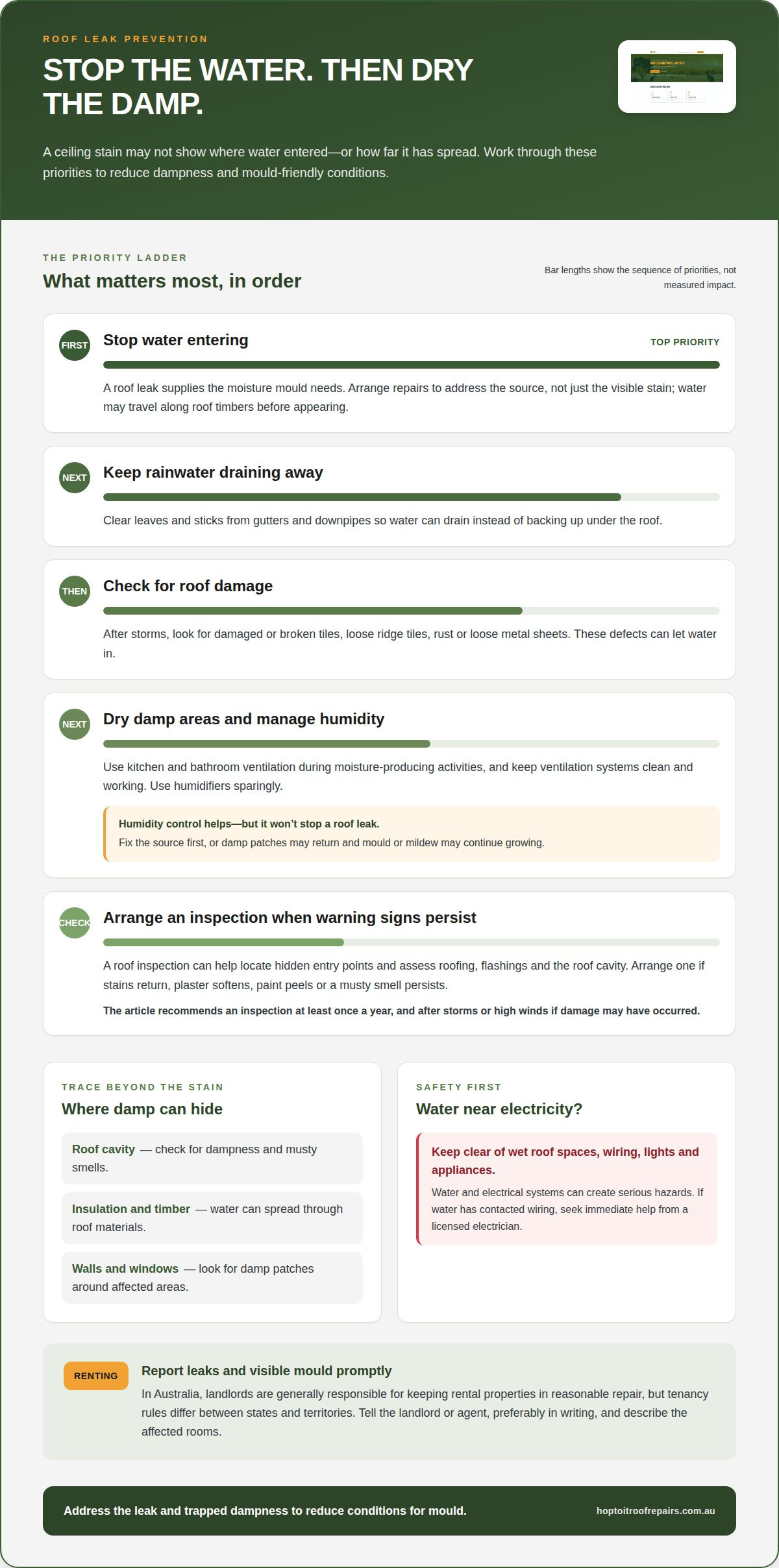
In Australia, landlords are generally responsible for keeping rental properties in reasonable repair, but tenancy rules differ between states and territories. Report a roof leak and visible mould to the landlord or agent promptly, preferably in writing, and describe the affected rooms. Mould can begin growing when building materials remain wet; how quickly depends on moisture, warmth, airflow and the surface.
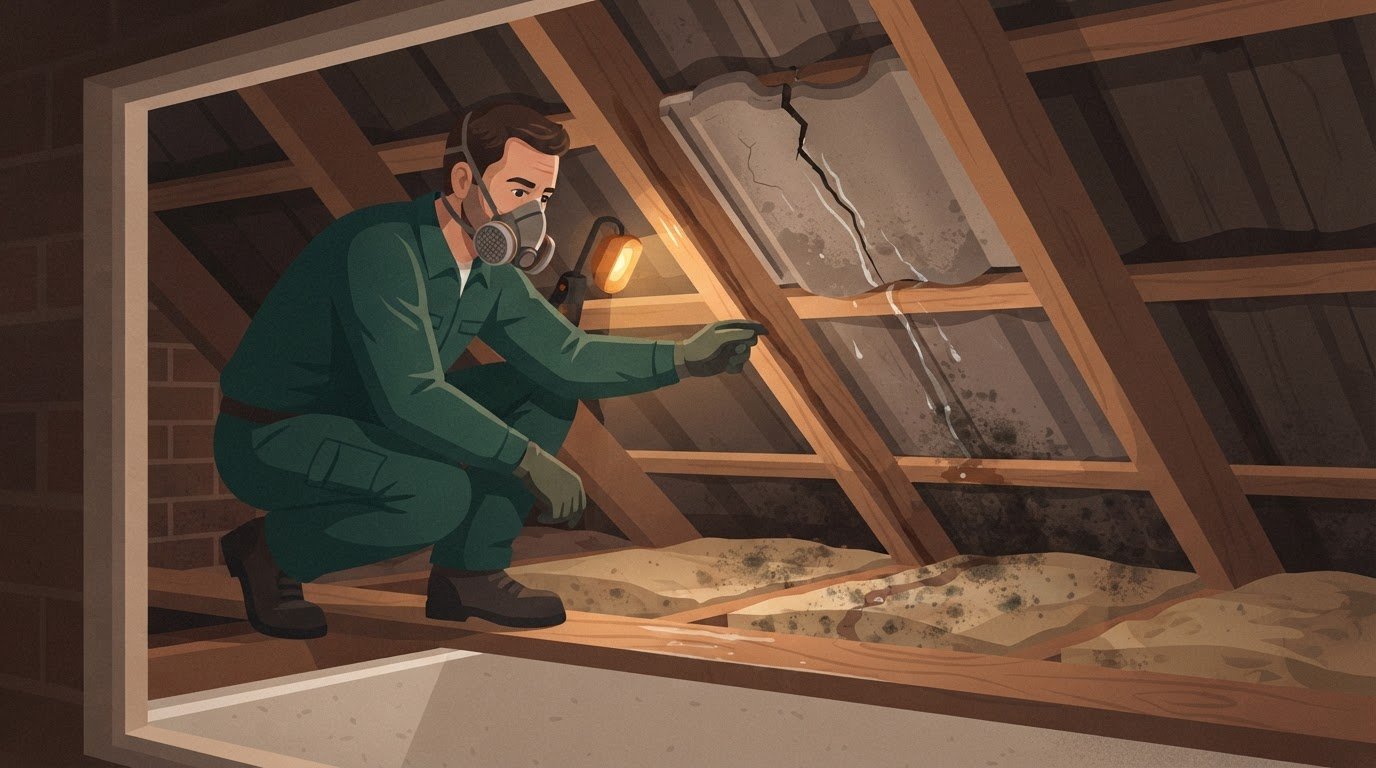
A roof leak supplies the moisture mould needs. Rain can pass through damaged roofing and soak ceiling plaster, timber framing or insulation. A ceiling stain may appear below the leak, but water can travel along roof timbers before becoming visible. Check for musty smells and damp patches around the stain, in the roof cavity, and near walls or windows. Wet insulation can lose effectiveness, making heating and cooling less efficient and rooms less comfortable.
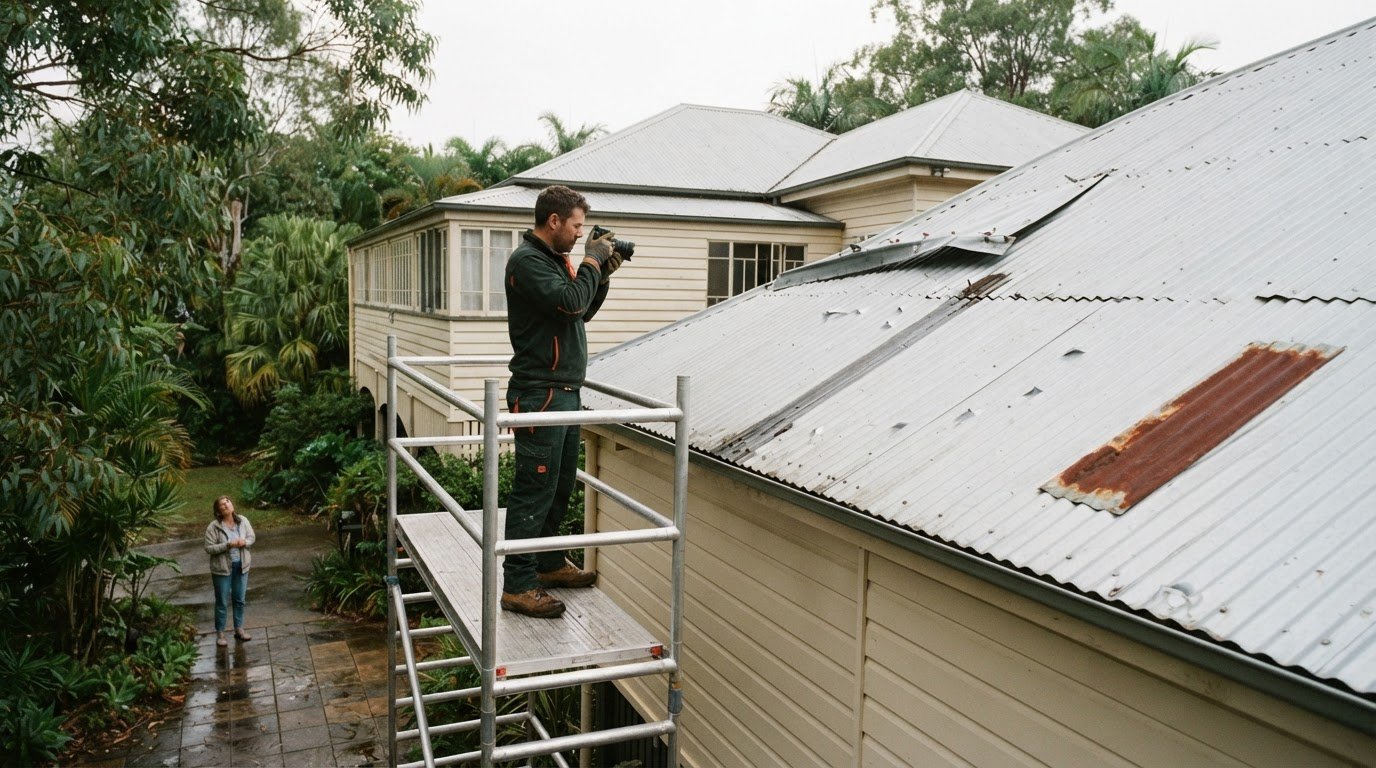
Start prevention by stopping water entry. Keep gutters and downpipes clear of leaves and sticks so rainwater drains instead of backing up under the roof. After storms, damaged tiles, loose ridge tiles, rust or loose metal sheets can let water in. If moisture persists, roof damage can also weaken timber and plaster. Avoid entering a wet roof cavity, especially if water is near electrical wiring, lights or appliances. Water and electrical systems can create serious hazards.
Next, dry damp areas and reduce indoor humidity. Use kitchen and bathroom ventilation during activities that release moisture, and keep ventilation systems clean and working. Use humidifiers sparingly. These steps help manage household humidity, but they won’t stop moisture entering through a leaky roof. Fix the source first; otherwise, damp patches may return and mould or mildew may continue growing.
Arrange a roof inspection if stains return, plaster softens, paint peels or a musty smell persists. A professional can assess the roofing, flashings and roof cavity, where a small entry point may be hidden. Addressing both the leak and trapped dampness helps reduce conditions for mould, protect indoor air and limit further damage.
Respiratory, skin and eye symptoms associated with mould exposure
Mould spores can become airborne and cause symptoms when inhaled. Watch for changes in breathing, skin or eyes alongside damp patches or a musty smell.
Respiratory symptoms and allergies
Breathing in mould spores can trigger allergies, coughing, sore throats, sneezing and asthma attacks. Some people may also develop respiratory infections. These symptoms deserve attention when they appear or worsen around a damp ceiling or room, particularly if mould is visible nearby. People with asthma, allergies or other serious respiratory disorders may be more susceptible to exposure, so persistent symptoms warrant attention.
Skin and eye symptoms
Mould exposure can irritate the eyes and skin, causing itchy eyes or rashes. These reactions can occur alongside respiratory symptoms such as persistent coughing or chronic sneezing. Note where irritation occurs and whether it coincides with time spent near damp areas. This pattern can help you describe the problem clearly when seeking medical advice, without assuming mould is the only possible cause.
Effects of prolonged mould exposure
Ongoing exposure can aggravate existing health issues, particularly for children and older people. People with hypersensitivity pneumonitis can develop inflamed lungs after exposure, and continued exposure can make the condition more severe. A doctor should diagnose symptoms that may indicate this condition. People with compromised immune systems may also face a risk of fungal infections in mould-affected conditions, making persistent dampness important to address.
Warning signs of a health hazard
Warning signs include a recurring musty smell, visible mould, a water-stained ceiling, or coughing, sneezing, itchy eyes or rashes that persist around damp areas. These clues don’t prove mould caused a symptom, but they warrant attention, especially for someone with asthma or allergies. A roof professional can inspect where water is entering; testing is the only way to identify which mould type is present. A professional roof inspection can help trace a leak contributing to dampness.
Can A Leaking Roof Cause Mold?
Yes. Water entering through a roof leak can leave roof spaces, ceilings and walls damp, creating conditions for mould and mildew.
Repairing leaks and controlling moisture
Prompt roof repairs stop ongoing water entry and limit the dampness that supports mould growth. Moisture can spread from the entry point through insulation, plaster and timber, so a ceiling stain may not reveal the leak’s location. After finding a leak, keep clear of wet electrical fittings and appliances. Water contacting wiring can cause short circuits; seek immediate help from a licensed electrician.
Contain dripping water only if it’s safe, move belongings away, and record visible damage. Arrange an inspection to locate the source and assess whether the roof needs repair. If water has reached walls or insulation, those materials also need drying. Repairing the roof without addressing trapped moisture can leave conditions for mould and further structural damage.
Drinking water and stored water contamination
A roof leak can affect stored water if contaminated runoff enters a rainwater tank or collection system. Debris from roofing, gutters or the surrounding roof area may enter with the water, so a change in appearance, smell or taste warrants caution. Don’t assume stored water is suitable to drink if the leak may have reached the tank; arrange an appropriate assessment before using it.
Regular maintenance helps identify problems before moisture spreads. A roof inspection at least once a year can help uncover leaks, damaged flashings and other defects. After storms or high winds, broken tiles or loose metal sheets may also need attention. Keep gutters and downpipes clear so water drains away instead of backing up under the roofing.
Persistent leaks can damage plaster, timber and other parts of a home’s structure, while mould can affect property value. Repairing plaster water damage can cost thousands of dollars. Australian home insurance coverage depends on the policy and circumstances of the damage; check your policy wording for roof repairs, resulting damage and any health-related costs. Keep photographs and records of the leak and affected areas for your claim.
Health risks for people with asthma or allergies
A leaking roof can create damp indoor conditions that aggravate asthma, allergies and environmental sensitivities. For people already managing respiratory symptoms, health risks from a leaking roof may include additional irritation from mould exposure, even when the source of dampness isn’t obvious.
Mould spores can become airborne and trigger sneezing, coughing, sore throats or asthma attacks. Dampness may also make people with asthma or other respiratory issues uncomfortable, even without mould or mildew growth. Humidity entering through damaged roofing can affect indoor comfort before a ceiling stain appears. Persistent dampness deserves attention, not just visible mould patches.
Allergy symptoms can include itchy eyes and skin irritation, while ongoing exposure may aggravate existing health issues. Children and older people can be more susceptible to mouldy environments. People with allergies, asthma or other serious respiratory disorders may also be more sensitive. If breathing symptoms worsen in a particular room, note the location and timing, then discuss persistent or concerning symptoms with a doctor.
People with hypersensitivity pneumonitis can develop inflamed lungs after mould exposure, and continued exposure can make this condition more severe. A doctor should diagnose symptoms that may indicate this condition. People with compromised immune systems may also face fungal infection risks in mould-affected conditions. The presence of mould doesn’t necessarily mean it’s producing mycotoxins.
Take practical steps: reduce time in visibly damp areas, keep household ventilation working, and address the moisture source. Don’t enter a wet roof cavity to inspect insulation, especially if water is near electrical fittings. Water and electrical systems create an immediate hazard. If dampness continues, an assessment can help identify the roof entry point. Understanding health risks from a leaking roof means considering both indoor exposure and a person’s existing health needs.
For people with asthma or allergies, treat recurring indoor dampness as a potential trigger. Arrange an assessment of a recurring roof leak to identify the water entry contributing to damp conditions.
Hop To It Roof Repairs
Hop To It Roof Repairs helps address roof leaks that may be allowing moisture into your home. Roof Leak Detection can locate the entry point, while Metal Roof Repairs or Tile Roof Repairs address damage to the relevant roofing type. The team also repairs gutters and downpipes, which can cause water to back up when blocked or damaged.
Arrange an inspection if stains return, dampness persists or you can’t identify where water is entering. Every job includes a fixed-price quote and a detailed written report with a photo report of every fault found, so you can understand the recommended work before it proceeds. This clarifies the roof issue and next repair step, without treating mould symptoms as a substitute for addressing the moisture source.
For help with a recurring leak, contact Hop To It Roof Repairs.
Take the next step with confidence
If a leak and symptoms appear together, treat them as related clues, not proof of cause. The health risks from a leaking roof call for two practical responses: address the moisture source and seek medical advice for persistent or worsening symptoms.
Note when symptoms occur, which rooms are affected, and whether visible dampness changes. Share these details with a doctor and the person assessing the roof. This provides useful context and helps distinguish a possible indoor trigger from other causes.
Avoid disturbing suspected mould or entering an unsafe roof cavity. Keep people with respiratory sensitivities away from affected areas while the moisture problem is addressed. If water is near electrical fittings, keep clear and seek qualified help.
With clearer information, you can choose the next steps without guessing. For help tracing a roof leak, Contact Hop To It Roof Repairs. Taking action can make the situation easier to manage.
Frequently Asked Questions
Who Is At Risk?
People with asthma, allergies or other respiratory conditions may be more sensitive to mould exposure. Children, older people and those with compromised immune systems may also face greater concern in mould-affected spaces. Risk depends partly on a person’s health and how much time they spend in damp areas. If a room triggers symptoms, spend less time there and note the pattern for a doctor.
What health problems can a leaking roof cause?
A leaking roof can create damp conditions that contribute to mould, which may trigger coughing, sneezing, sore throats, itchy eyes, skin irritation or asthma symptoms. Water can also reach electrical fittings, creating hazards unrelated to mould. Keep clear of wet lights, outlets or appliances. If anyone has persistent or worsening symptoms, seek medical advice rather than assuming the roof is the only possible cause.
Can roof leaks cause mould and respiratory symptoms?
Yes. A roof leak can dampen materials such as plaster, timber and insulation, allowing mould to grow; airborne spores may then irritate the respiratory system. A musty smell or recurring damp patch alongside coughing or sneezing can be a useful clue, but it doesn’t prove the cause. Record when symptoms occur and which rooms are affected, then address the leak and discuss ongoing symptoms with a doctor.
Who is most at risk from mould caused by roof leaks?
People with asthma, allergies, serious respiratory disorders or compromised immune systems warrant particular care around mould. Infants, children and older people may also be more susceptible to mouldy environments. Limit time in a visibly damp room if someone develops symptoms there, especially if they have an existing condition. Track the affected areas so a doctor can consider exposure alongside other possible causes.
How should mould from a roof leak be cleaned safely in Australia?
First address the water entry and damp materials, or mould may return. Avoid disturbing visible mould, since spores can become airborne when released. Don’t climb into a wet roof cavity or handle areas near electrical fittings. If mould covers a broad area, keeps returning, or affects porous materials such as plaster or insulation, seek a professional assessment to determine appropriate cleaning and drying measures.
When should you hire a mould remediation or roofing professional in Australia?
Arrange a roofing assessment if water stains return, the leak’s entry point is unclear, or dampness persists after rain. Hop To It Roof Repairs provides Roof Leak Detection and repairs for metal and tile roofs across Brisbane, the Gold Coast, Redland Bay, Moreton Bay and Ipswich. Consider a mould professional if growth is extensive, hidden in building materials, or keeps recurring after the leak is addressed. Seek medical advice for ongoing symptoms.