Can a Roof Leak Cause Structural Damage? Signs and Effects
17 November 2026 · 11 min read
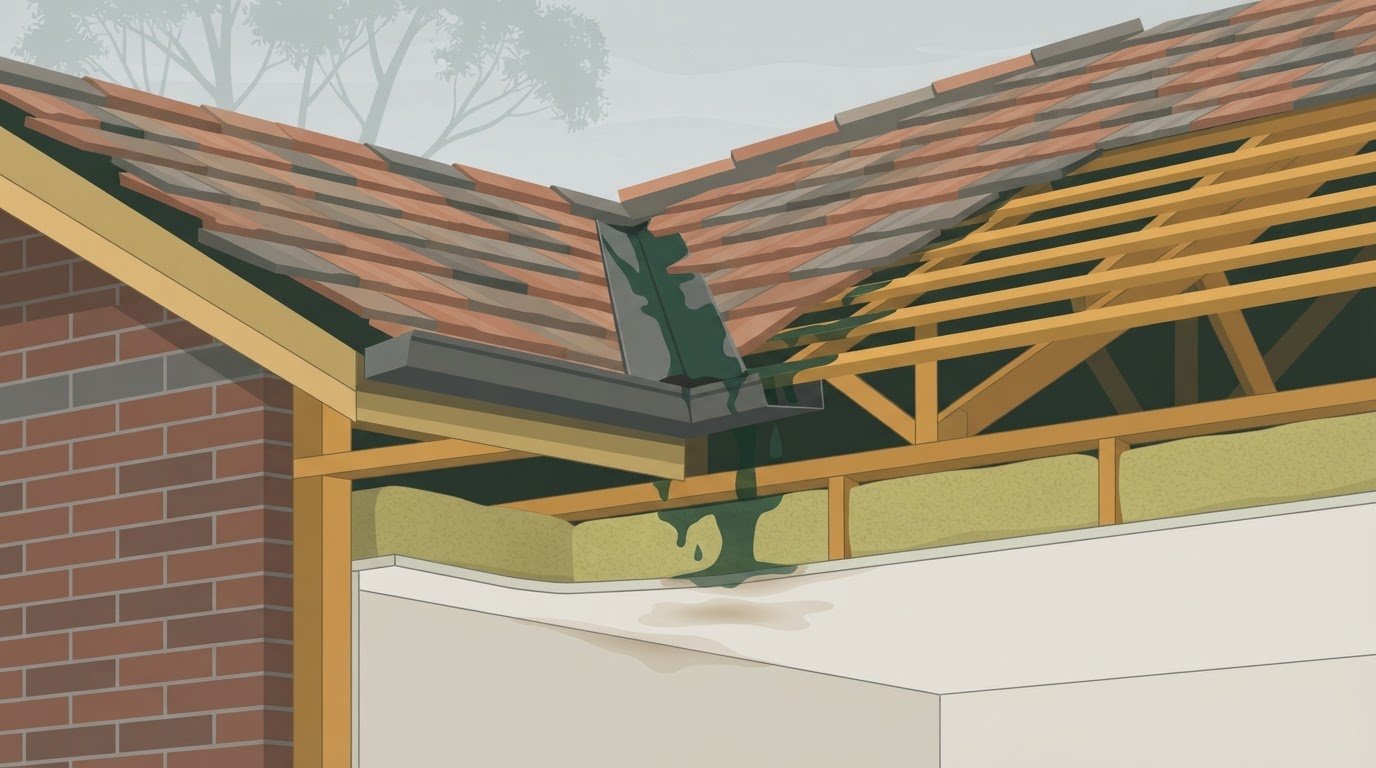
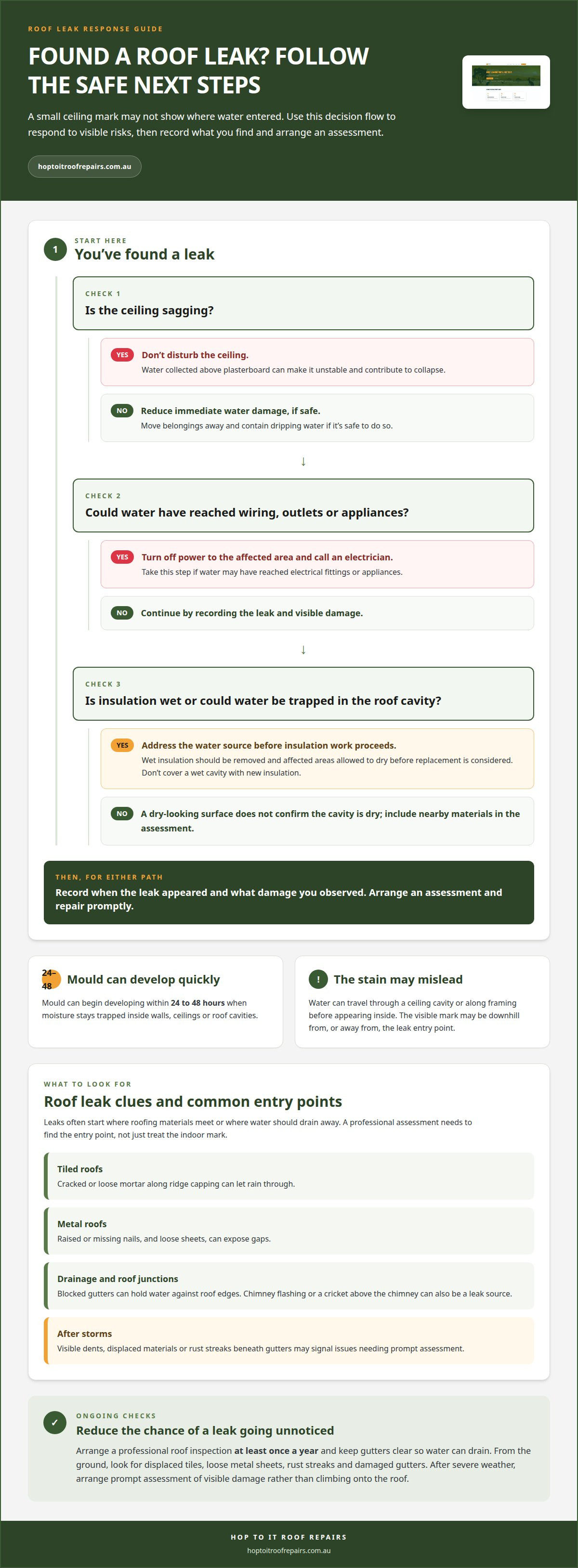
A roof leak can do more than stain a ceiling. Yes, it can cause structural damage if water keeps reaching timber framing, insulation and plasterwork. Damp materials can also create conditions for mould, which may begin developing within 24 to 48 hours when moisture stays trapped.
A small mark doesn’t always mean the damage is small. Water can travel before it becomes visible, so a ceiling stain may not show where the leak started. The longer moisture remains, the greater the risk of timber rot, weakened framing and other damage.
This guide explains how a roof leak can affect your home, which warning signs to look for and how wet insulation can lose effectiveness and contribute to higher energy use. You’ll also learn why it matters to address a leak promptly, even when the visible signs seem minor.
Key Takeaways
- Look beyond ceiling stains: water can damage plaster, wall framing, skirting boards and flooring, and the visible mark may be away from the leak.
- Understand why damp insulation can lose effectiveness and make heating and cooling work harder.
- Learn how blocked gutters, weather damage, ageing materials and roof defects can let water in.
- Know how persistent moisture can rot timber and weaken roof framing, and why the affected area needs assessment.
Can a Small Roof Leak Cause Major Structural Damage?
Yes. A small roof leak can cause major damage when moisture keeps reaching plasterboard, timber framing or flooring. The extent depends on how long the leak persists, rainfall, roof material, home construction and whether water stays trapped.
Ceiling and Wall Damage
Water can spread through a ceiling cavity before a stain appears, damaging plasterboard, insulation and nearby wall framing. A ceiling mark may be downhill from the entry point, while wet skirting boards or flooring can indicate water travelling along a wall. Ongoing exposure can make paint peel, wallpaper bubble and plaster deteriorate.
Once the leak is stopped and materials have dried, assess affected ceilings and walls for repairs. A discoloured area may need stain-blocking primer and repainting, while softened or deteriorated plasterboard may need repair or replacement. Drying alone doesn’t prove the ceiling is sound. Check for sagging, cracks or weakened material before restoring the finish.
Timing and Immediate Steps
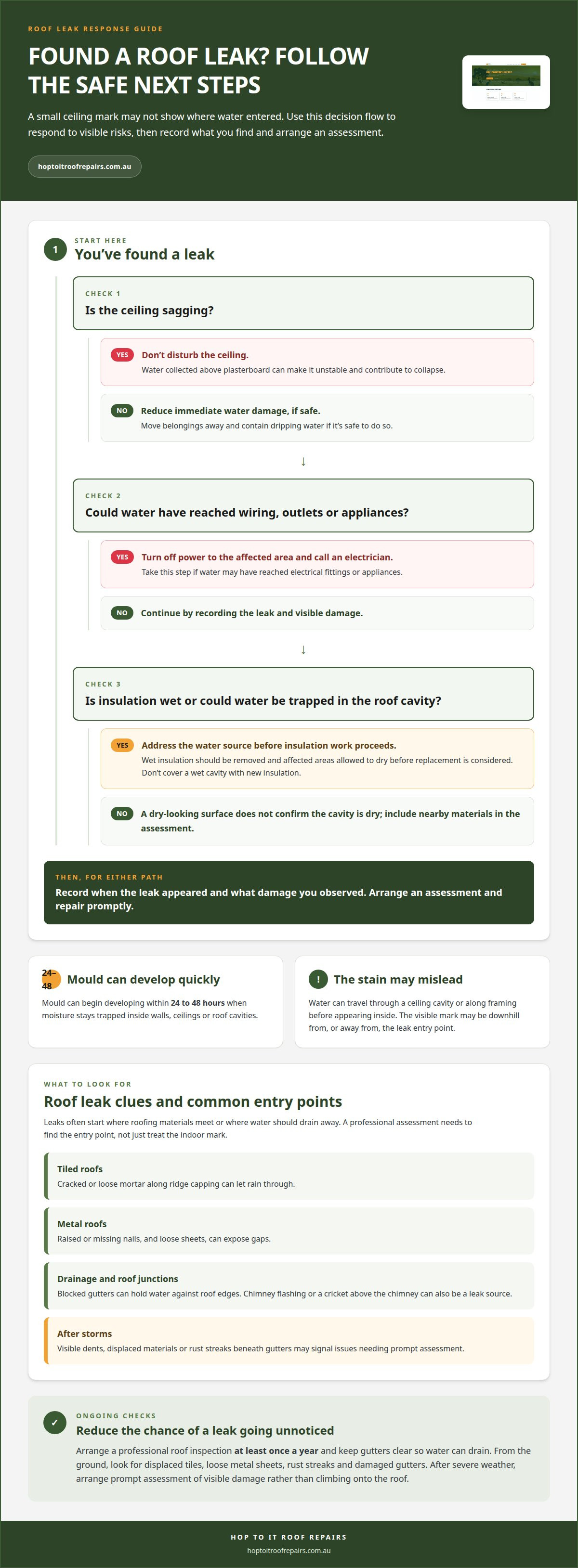
Structural damage has no single timetable. A brief leak may leave a surface stain, while repeated rain and trapped moisture can progressively affect timber and ceiling materials. Mould can begin developing within 24 to 48 hours when moisture remains trapped inside walls, ceilings or roof cavities. That makes prompt action important, even if the visible mark looks small.
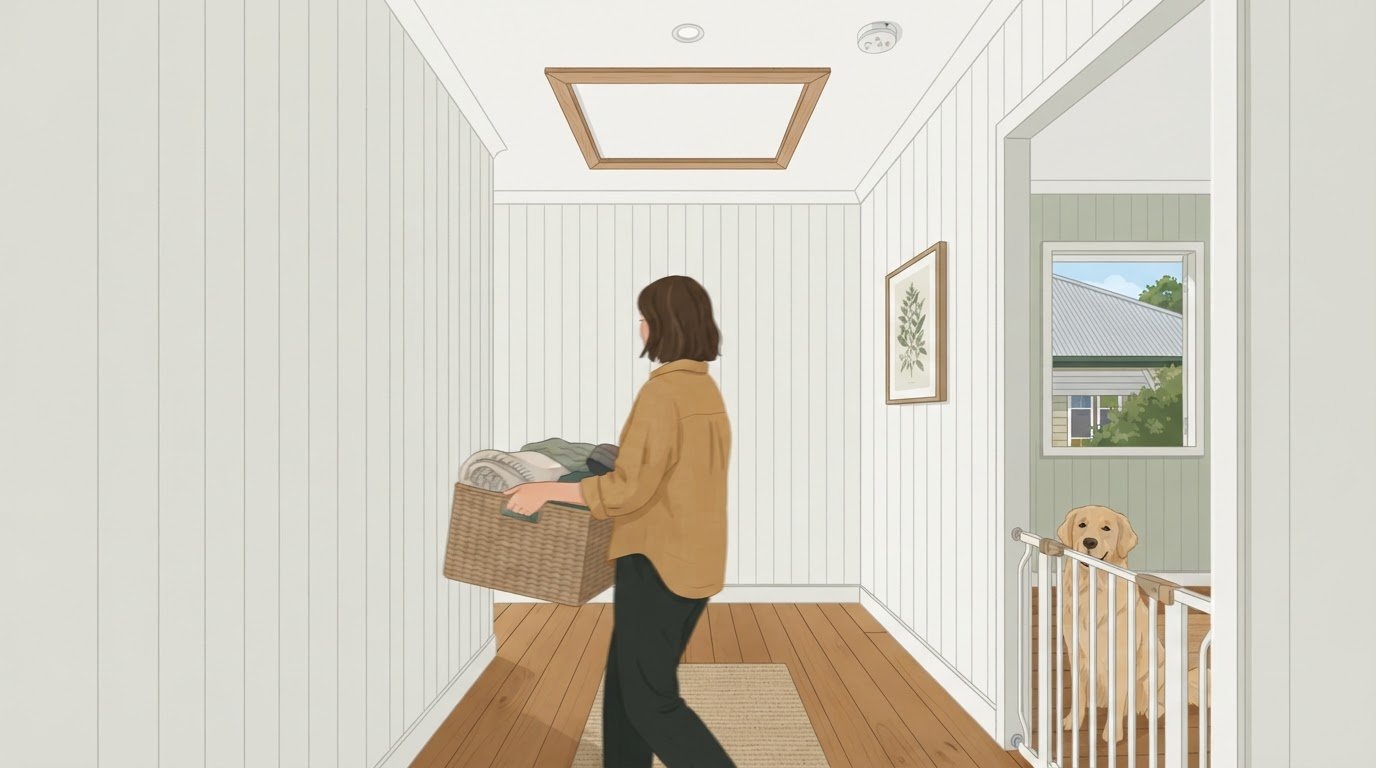
When you discover a leak, move belongings away and contain dripping water if it’s safe. If water may have reached wiring, outlets or appliances, turn off power to the affected area and call an electrician. Don’t disturb a sagging ceiling: water collected above plasterboard can make it unstable and contribute to collapse.
Australian repair requirements depend on the location and work involved, so don’t assume one rule applies to every repair. Home insurance may not cover damage caused by neglecting a known roof leak. Record when the leak appeared and what damage you observed, then arrange an assessment and repair promptly.
Reduced insulation performance and higher energy use
Roof-cavity insulation slows heat moving between your home and the roof space. If leaking water saturates it, the insulation becomes less effective, so rooms may lose warmth in winter and gain heat in summer. Your heating and cooling system may then work harder to maintain comfortable conditions, increasing energy use. A ceiling stain can signal water damage, but insulation above it may remain damp after the surface appears dry.
Moisture can also affect roof beams and trusses around the soaked area. Damp insulation may take longer to dry if water continues entering the roof cavity, prolonging its reduced thermal resistance. A wet patch beneath one section of roofing can therefore affect both temperature control and the materials supporting the roof. The extent depends on where the water travels and whether the cavity can dry.
Wet insulation should be removed, and affected areas allowed to dry before replacement is considered. In a wall, wet panels may need to be removed so insulation can be taken out and timber frames can dry. Enclosing damp materials can keep the area moist and allow mould to thrive; mould spores may also trigger allergies. Don’t cover a wet cavity with new insulation before addressing the water source.
After the leak is fixed, the damaged area still needs attention. The insulation’s condition, the extent of water exposure and the dryness of nearby framing all help determine what needs replacing. If a leaking roof has soaked a roof cavity, roof leak detection can help identify where water is entering, so repairs address the source before insulation work proceeds.
Common causes of roof leaks
Roof leaks often start where roofing materials meet or where water should drain away. In Australian homes, blocked gutters, ageing materials, weather damage and poor maintenance can compromise a roof. A blocked gutter, for example, can hold water against roof edges, while a damaged tile or loose metal sheet can create an entry point. Regular attention helps protect your home before a stain appears.
The warning signs vary by roof type. On tiled roofs, cracked or loose mortar along ridge capping can let rain through. On metal roofs, raised or missing nails and loose sheets can expose gaps. Chimney flashing or a cricket above the chimney can also be a leak source. After storms, visible dents, displaced materials or rust streaks beneath gutters may signal issues that need prompt assessment.
Water doesn’t always drip straight down. It can travel along roof sheathing, framing or other surfaces before appearing inside. A stain on one ceiling panel may therefore sit below and away from the entry point. If moisture continues reaching timber rafters or trusses, the timber can weaken; persistently wet sheathing may also deteriorate. The roof’s integrity depends on finding the entry point, not just treating the indoor mark.
How does a roof leak damage rafters, trusses, ceilings and walls? Water follows the path of least resistance through the roof cavity, wetting sheathing and timber before reaching ceiling plaster or wall linings. Continued exposure can cause timber decay and leave roof sections uneven, affecting their ability to keep water out.
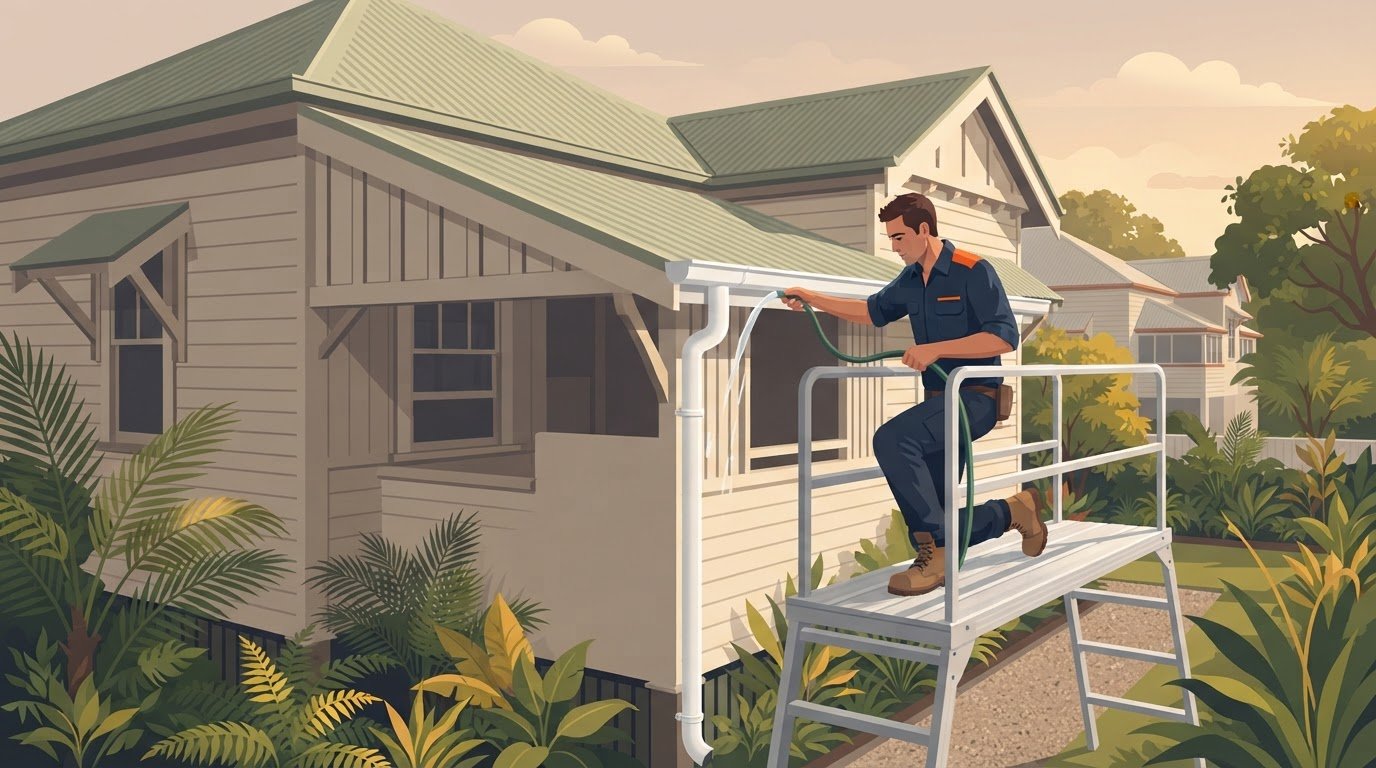
How can you prevent roof leaks and inspect a roof in Australia? Arrange a professional roof inspection at least once a year, and keep gutters clear so water can drain. From the ground, look for displaced tiles, loose metal sheets, rust streaks and damaged gutters. After severe weather, arrange prompt assessment of visible damage rather than climbing onto the roof.
Timber rot and weakened roof framing
Water that repeatedly reaches roof framing can damage timber and corrode metal connections. The resulting weakness may affect how securely the roof supports its covering.
Rotting Timber and Corroding Metal
Persistent moisture can cause wood rot in rafters, trusses and other supporting timber. Decay may leave timber soft or weakened, while water can corrode metal components around roof sheets and fixings. Both matter because these parts help keep the roofing stable and watertight.
Cracked or broken structural timbers beneath a tiled roof can make the affected area move or sit unevenly. Rust around overlapping metal sheets or nail holes can also signal deterioration. A roofing inspection can assess the affected structure after moisture exposure, rather than relying only on what’s visible from inside.
Damp Timber and Termite Risk
Timber frames that stay wet and cannot dry can create conditions that support termites. A roof leak therefore needs attention beyond the ceiling mark: trapped dampness may continue affecting timber inside the roof cavity.
Look for persistent damp patches or musty odours near the affected area, then arrange an assessment of the leak and framing. Mould can also develop where moisture stays trapped; mould spores may contribute to allergies and other respiratory conditions. Addressing the water source helps prevent the area from staying damp.
Drying Timber and Spotting Damage
Waterlogged wood may dry without lasting harm, but the framing still needs assessment afterwards. A professional can assess the affected area for weakness and determine whether timber needs repair or replacement. A flathead screwdriver can indicate how far a tool penetrates the wood, but it doesn’t replace a structural inspection.
Warning signs include a sagging roofline, uneven sections beneath tiled roofing, cracked structural timber or a ceiling that appears compromised. Water near electrical wiring adds another concern, as it can increase the risk of electrical failure. Keep clear of a visibly sagging area and arrange prompt assessment.
If rust or damaged metal roofing is visible, arrange metal roof repairs to address the affected roofing and help limit further water entry.
Hop To It Roof Repairs
Hop To It Roof Repairs can help when a leak’s source is unclear, water damage keeps returning or roofing materials show signs of failure. Roof Leak Detection helps locate where water is entering, while the repair depends on the roof type and fault. Metal Roof Repairs and Tile Roof Repairs address issues with those roof types, and Gutters & Downpipes work can help when drainage contributes to water entry.
An assessment can identify the likely source and work needed, rather than treating only the indoor stain. If you’ve noticed a leak, damp framing or recurring ceiling marks, contact Hop To It Roof Repairs to discuss the issue and next steps.
Take the next step with confidence
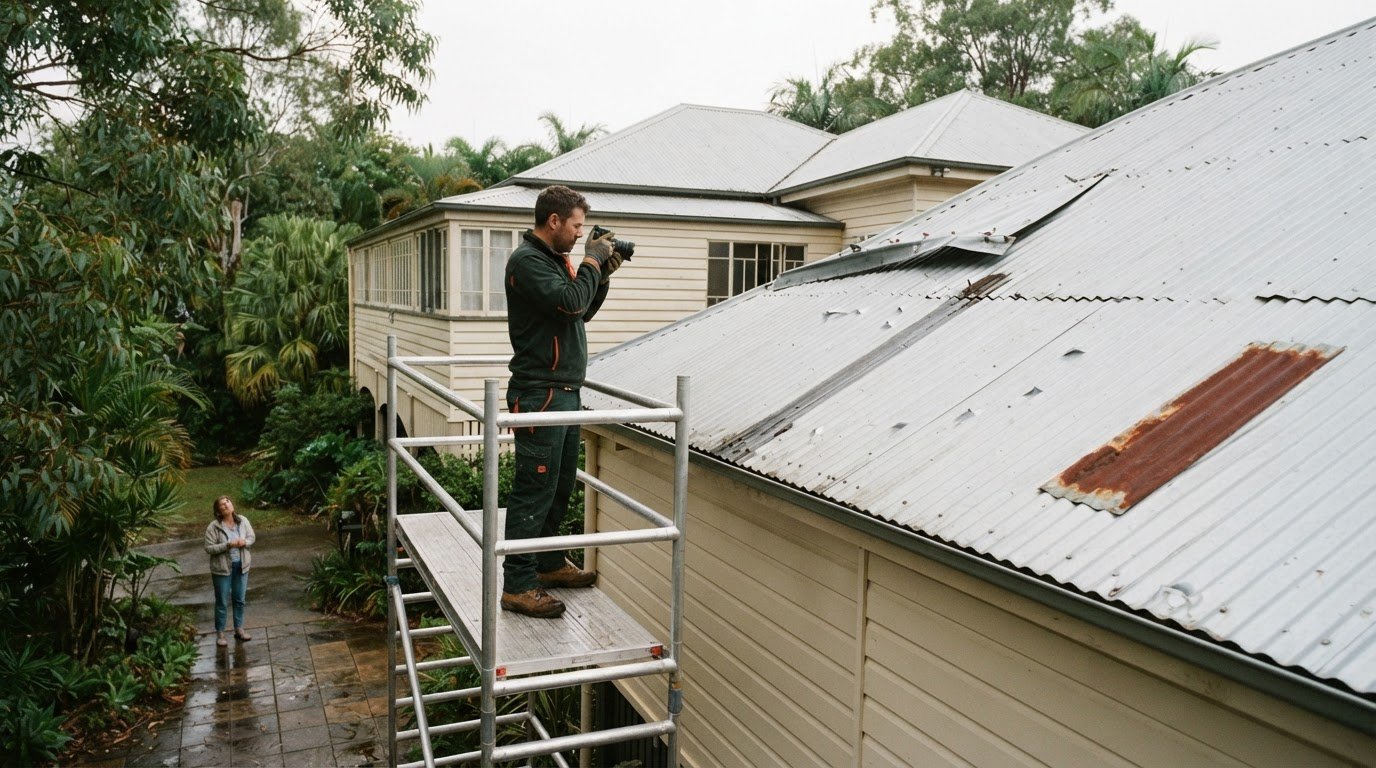
A roof leak can cause structural damage, so arrange a clear assessment rather than guessing from indoor marks. Note when you first noticed the problem and whether it changes during or after rain. Photos taken from a safe position can help show how the signs develop. Keep clear of any sagging ceiling or visibly unstable roof area.
Clear observations give a roofing professional a useful starting point for tracing the issue and assessing what needs attention. You don’t need to diagnose the cause yourself. Record what you can see without entering the roof cavity or climbing onto the roof.
If you’ve noticed a leak or changes inside your home, contact Hop To It Roof Repairs to discuss the next step. Getting the problem assessed gives you a practical path forward and helps you make an informed decision about your home.
Frequently Asked Questions
Can Roof Leaks Cause Mould?
Yes. A roof leak can create damp, enclosed spaces where mould grows, including behind stored items or inside a roof cavity. Mould may produce spores that trigger allergies and respiratory symptoms, particularly for people sensitive to them. If you notice a musty smell or mould returning after cleaning, the moisture source needs attention too. Cleaning visible growth without addressing ongoing dampness can leave the underlying problem in place.
When Should You Call a Roofing Professional?
Call a roofing professional when water is actively entering, a leak returns after rain, or roofing materials look loose, cracked or rusty. Hop To It Roof Repairs provides Roof Leak Detection, Metal Roof Repairs and Tile Roof Repairs across Brisbane, the Gold Coast, Redland Bay, Moreton Bay and Ipswich. Every job includes a detailed written report, a photo report of faults found, a fixed-price quote and a workmanship warranty.
Can a roof leak cause structural damage to a house?
Yes, a roof leak can cause structural damage if water repeatedly reaches load-bearing timber, roof connections or wall framing. For example, a leak around a roof penetration may wet nearby supports before damage appears inside. The extent depends on the leak’s location, how long water enters and whether affected materials can dry. An assessment can distinguish surface repairs from damage to structural components.
What health and safety risks can roof leaks cause, including mould and electrical hazards?
Roof leaks can create mould-related respiratory concerns and electrical hazards if water reaches wiring, outlets or appliances. Avoid touching wet fittings or using an appliance in an affected area. If you suspect water has reached electrical equipment, keep people clear, turn off power to the affected area if safe, and call an electrician. Don’t enter a roof cavity or stand beneath a sagging ceiling to investigate.