Cracked Concrete Roof Tile Repair: When to Call a Roofer
30 September 2026 · 15 min read
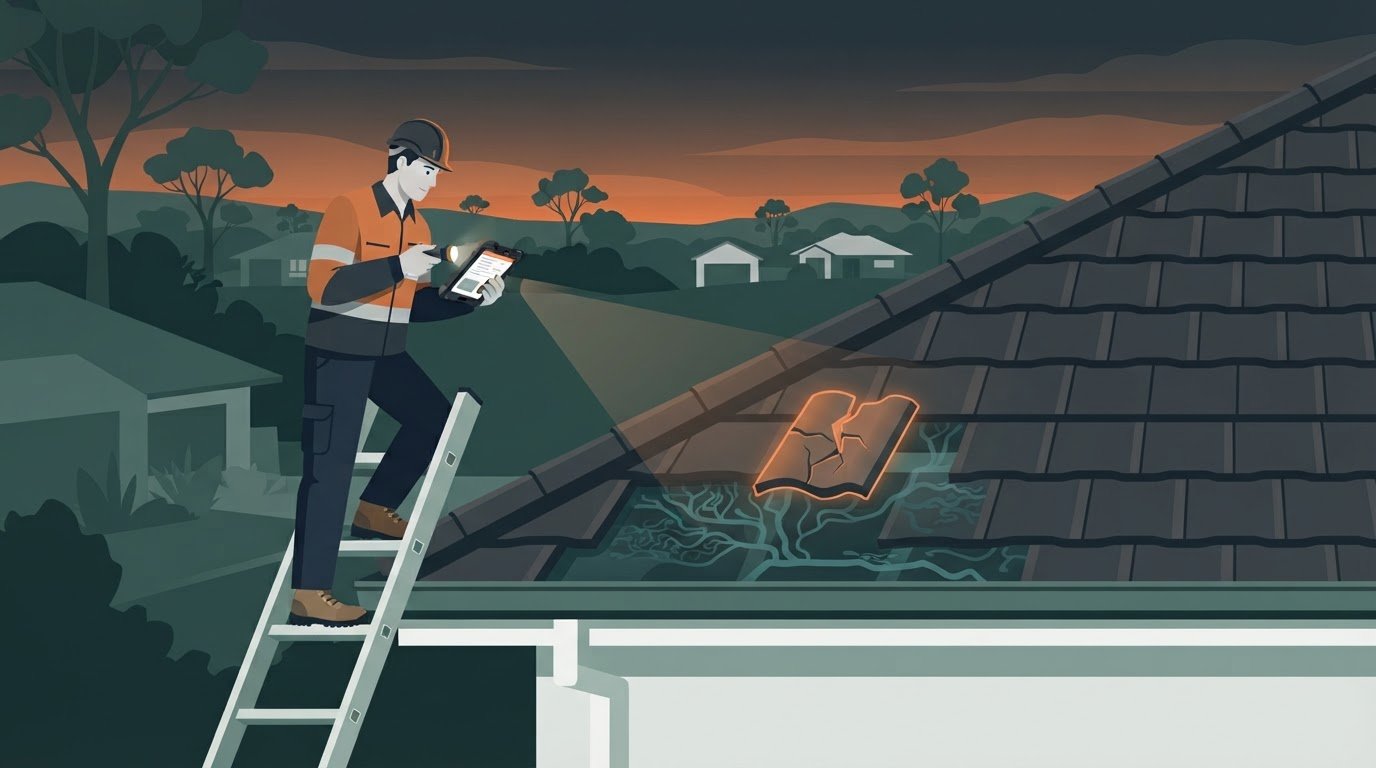
Could a single cracked concrete roof tile be letting water in, even if there’s no ceiling stain yet? Cracked concrete roof tile repair starts with an assessment: a visible crack is a warning sign, but it doesn’t confirm where water is getting in or whether the tile can be repaired. Climbing onto the roof to check could turn one damaged tile into several.
If you’re unsure whether to wait, patch the crack or replace the tile, you’re not alone. The right solution depends on the tile’s condition and what’s happening around it. Water can also travel beneath the tiles, so the visible damage may not tell the whole story.
This guide explains what to look for from the ground, what to do while you arrange an assessment, and when to call a roofer. You’ll learn what a specialist checks before recommending repair or replacement, and how a detailed written report and fixed-price quote can clarify the scope before work proceeds. Don’t walk on the tiles or apply a quick fix without advice. Note what you can see safely and get the damage assessed before deciding what to do next.
Key Takeaways
- A visible crack needs assessment, but it doesn’t prove water has entered the roof space.
- Cracked concrete roof tile repair may involve repair, replacement or monitoring, depending on the tile and surrounding roof condition.
- Check for signs of water ingress inside and note what you see to help inform the roof assessment.
- A specialist can check whether the cracked tile is the leak source and document the recommended scope.
- Hop To It Roof Repairs provides tile roof repairs and leak detection across Brisbane, the Gold Coast, Redland Bay, Moreton Bay and Ipswich.
Cracked concrete roof tile repair: what the crack can mean
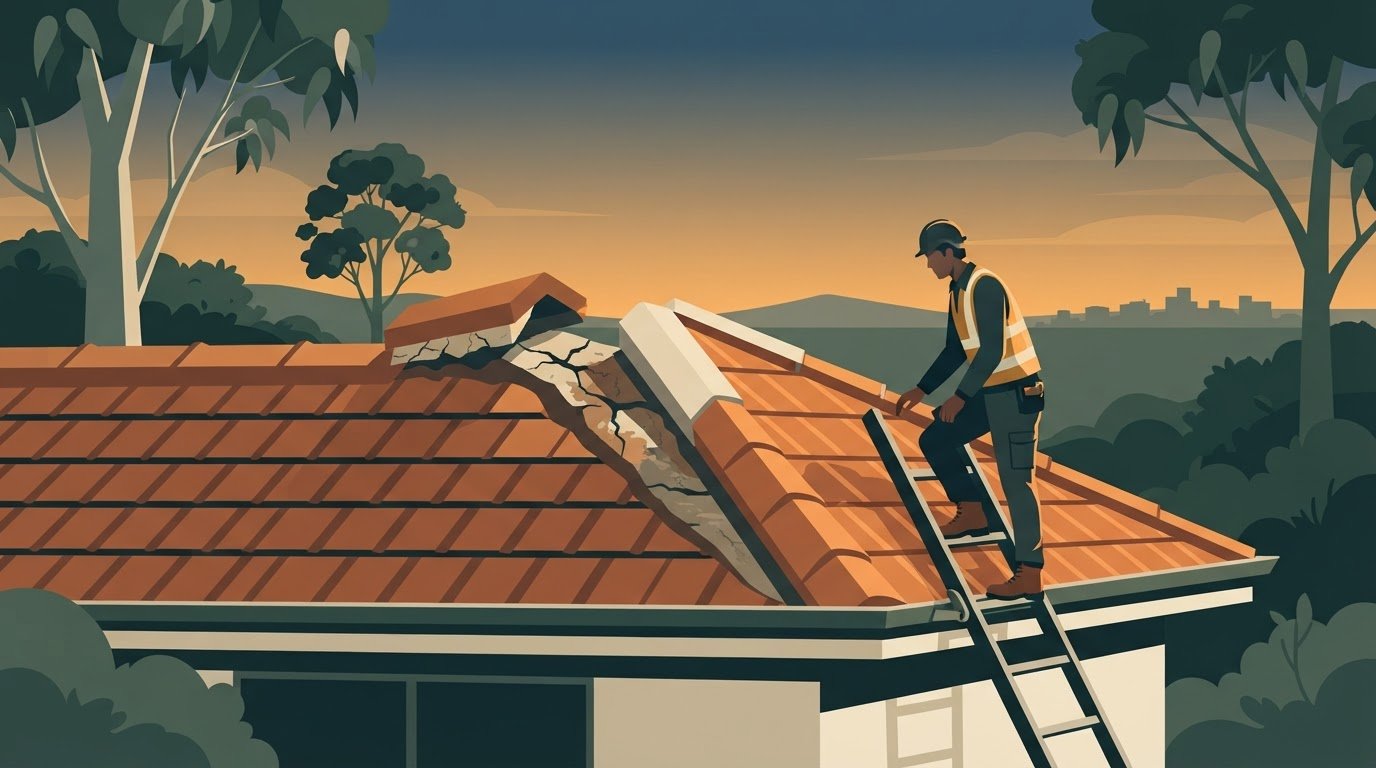
A visible crack deserves attention, but it doesn’t prove water is entering your home. A cracked tile is evidence of damage, not confirmation of a roof leak. Cracked concrete roof tile repair involves assessing the damaged tile and surrounding roof, then addressing the issue identified. The right response depends on the tile’s condition and whether nearby tiles or roof details are also affected.
Concrete is one of the materials used for roof tiles, which form part of a roof covering. A crack may be visible from the ground, but its appearance alone can’t reveal how far it extends or what caused it. A roofer needs to assess the tile and the area around it before recommending what to do.
What can cause a concrete roof tile to crack?
Impact, repeated movement, weather exposure and general deterioration are all possible contributors. A tile may be damaged by something striking it, for example, or develop a crack as the roof and its components move over time. These are possibilities, not a diagnosis. The crack’s position and size, along with the condition of nearby tiles, help inform an on-site assessment. Don’t assume the cause or try to test the tile by walking on the roof.
Does a cracked tile always cause a roof leak?
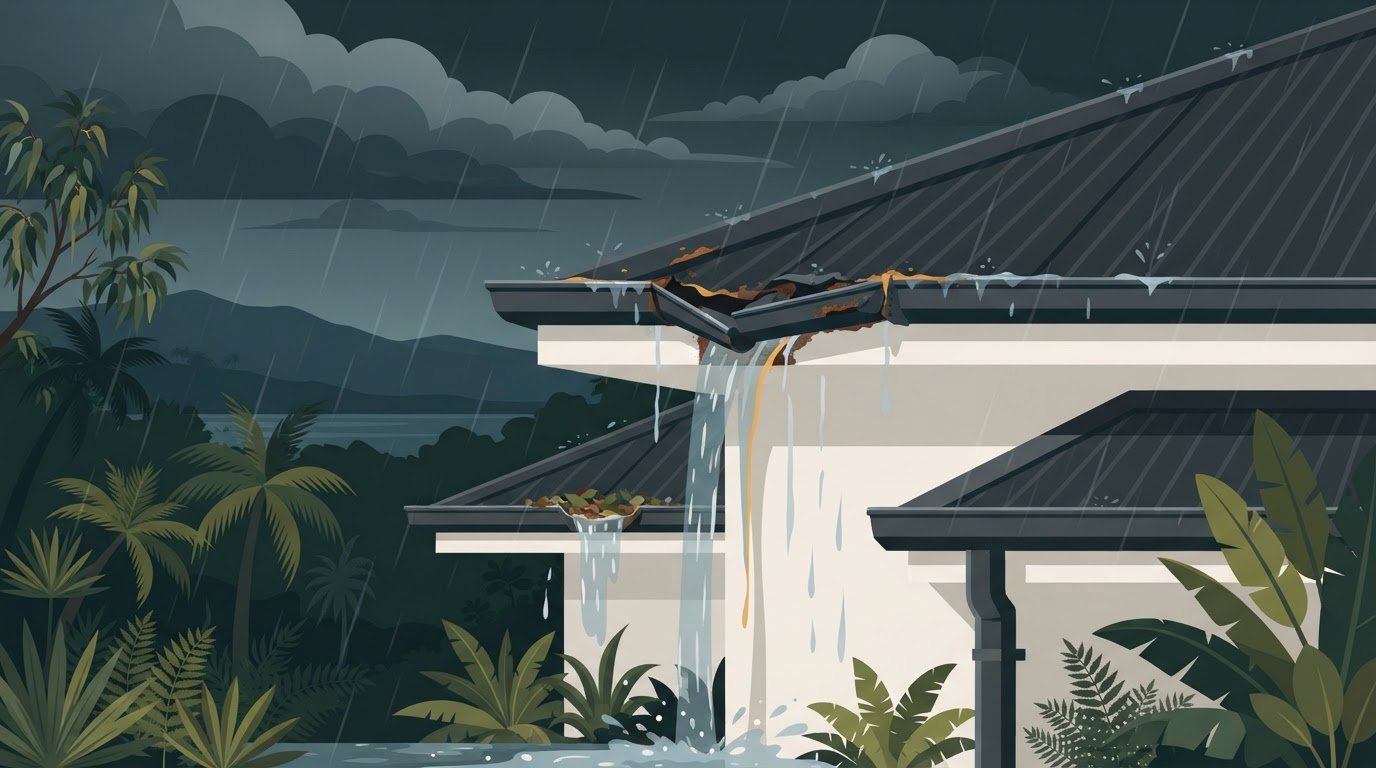
No. Water entry depends on the extent of the damage, the roof layout and how rain reaches the affected area. Wind-driven rain may enter through a vulnerable spot, while a crack may not cause visible water inside straight away. The underlay and surrounding roof details can also affect where water travels.
A ceiling mark may appear some distance from the damaged tile because water can move through the roof before becoming visible indoors. The spot you see inside doesn’t necessarily point directly to the source. A specialist assessment can help establish whether the cracked tile is responsible or whether another roof issue is involved. For more on tracing the source rather than relying on the visible stain, read about professional roof leak detection in Brisbane.
Note any ceiling marks or damp areas, but keep clear of the roof. An assessment gives you a clearer basis for deciding whether the tile needs repair, replacement or further monitoring.
How a cracked concrete tile can lead to water ingress
A crack can interrupt the tile’s ability to shed rain. Depending on its position and the condition of the roof, water may pass through the damaged area and reach the underlay or roof space. The underlay can help manage water beneath the tiles, but it doesn’t mean a damaged tile should be ignored. The outcome depends on the roof’s overall condition and how rain reaches it.
One cracked tile may not be the whole story. Nearby tiles could be cracked, shifted or displaced, and adjoining details such as ridges, valleys or roof penetrations may also affect the path water takes. In South-East Queensland, heavy rain and storms can put roof coverings to the test. Arrange an assessment promptly if you notice damage. There’s no need to assume the worst, but a quick look from indoors can’t rule out a problem.
Which nearby roof areas should be assessed?
A roofer should consider the damaged tile alongside the surrounding roof. That includes checking nearby concrete tiles for cracks, movement or displacement, and assessing relevant valleys, ridges and penetrations based on the roof layout. These areas can influence how water runs across the roof and where it may get beneath the tiles.
A roofer traces the possible water path, not just the most visible tile. That broader check helps distinguish a localised tile issue from damage or a leak source elsewhere on the roof.
What signs inside the home are worth noting?
Indoor symptoms are useful clues, but they don’t confirm the cause. From a safe position, note any:
- New marks or discolouration on a ceiling
- Dampness or moisture you’ve noticed indoors
- Changes that appear or worsen after rain
- Rooms where symptoms occur, and when you first noticed them
An indoor water mark can show where water became visible, not where it entered the roof. Water may travel along roof components before reaching a ceiling, so the mark might not sit directly below the entry point. Record what you observe and share it during an assessment. If water is near an electrical fitting, keep clear and seek appropriate help if there’s an immediate safety risk.
If you notice possible water ingress, a specialist can assess the roof and investigate the source. Learn more about roof leak detection and tile repairs from Hop To It Roof Repairs.
Repair, replace or monitor: choosing the right cracked tile solution
There isn’t one fix for every cracked tile. A roofer’s recommendation should reflect the extent of the damage, the tile’s condition and whether the surrounding roof is sound. Cracked concrete roof tile repair could mean repairing a tile that’s suitable for repair, replacing one that can’t be reliably repaired, or monitoring a minor issue after assessment.
Surface sealant can look like a quick answer, but covering a crack doesn’t automatically make it a lasting or suitable repair. It may not address the cause of the damage or problems with nearby tiles and roof details. Ask what the recommended work involves and why it suits the condition found.
| Option | When it may be considered | What to clarify |
|---|---|---|
| Professional repair | The roofer assesses the damage and determines that the tile can be suitably repaired. | What is being repaired, and have nearby roof areas been checked? |
| Replacement | The tile remains damaged or can’t be reliably repaired. | Has the tile type and compatibility with the existing roof been checked? |
| Monitoring | After assessment, the roofer considers immediate work unnecessary. | What changes should prompt another assessment? |
When might a concrete roof tile need replacement?
A roofer may recommend replacement if the tile is too damaged to repair reliably or remains vulnerable after a proposed repair. The replacement needs to suit the particular roof, so tile type and compatibility matter. Availability can also vary, especially for older or less common tiles. Don’t assume an exact match is available. Ask how the roofer will confirm a suitable option before work proceeds.
Can you seal a cracked roof tile yourself?
It’s safer not to climb onto the roof to apply sealant. Roof access creates a serious fall risk, and walking on tiles can break or dislodge them. Sealant may also fail to address the underlying cause or damage elsewhere on the roof. Observe the tile from the ground, note any signs of water inside and arrange a professional assessment instead.
Before approving work, ask for the recommended scope in writing. Hop To It Roof Repairs provides a detailed written report and fixed-price quote for every job, helping you understand what has been identified and what work is proposed. The assessment should explain why repair, replacement or monitoring is the appropriate next step for your roof.

What to do if you find a cracked concrete roof tile
Keep your next steps simple and safe. You don’t need to confirm the damage yourself. A ground-level view, notes about any indoor symptoms and a professional assessment can help establish what needs attention without putting you at risk.
- Stay off the roof. Don’t walk on tiles or climb a ladder to get a closer look. A fall or further tile breakage could make the situation worse.
- Observe from the ground. From a secure spot, note the approximate roof area and anything visible, such as a cracked or displaced tile. Take a photo only if you can do so safely.
- Record indoor symptoms. Write down which room is affected, what you’ve noticed and whether it appeared or changed after rain.
- Arrange an assessment. Share your observations with a roofer and ask them to check the damaged tile and relevant surrounding areas.
How can you check the roof without climbing onto it?
Use a safe ground-level view, or take photos from a secure location where you don’t need to lean out or climb. You may be able to identify the general roof area, but a photo can’t confirm the full extent of damage. Record changes you notice after rainfall. Don’t use a ladder or walk on tiles to verify what you’ve seen.
If water is entering indoors, move belongings away from the affected area only if it’s safe. Keep clear of wet electrical fittings, switches and appliances. If there’s an immediate safety risk, seek appropriate help rather than approaching the hazard.
What should a professional roof tile assessment cover?
Ask the roofer to assess the visible damage, nearby tiles and any roof details relevant to the area. Explain when symptoms appear and provide safe photos or notes. A clear assessment should set out the findings, proposed work and any limitations, so you understand what’s known and what may need further investigation. A written report and fixed-price quote can help clarify the scope before work proceeds.
For cracked concrete roof tile repair, the assessment should establish whether the visible tile is the likely leak source and what solution suits its condition. If you’re in Brisbane, the Gold Coast, Redland Bay, Moreton Bay or Ipswich, you can request a roof tile assessment from Hop To It Roof Repairs. Confirm service availability for your location when you get in touch.
Cracked concrete roof tile repair across Brisbane and South-East Queensland
A cracked tile needs the right assessment, not a guess from the ground. Hop To It Roof Repairs provides tile roof repairs and roof leak detection across Brisbane, the Gold Coast, Redland Bay, Moreton Bay and Ipswich. A specialist assessment can help determine whether the visible tile is the source of a leak and what work is appropriate for the roof’s condition.
For cracked concrete roof tile repair, the process starts with assessing the reported issue and confirming the proposed scope. Every job includes a fixed-price quote and a detailed written report, so you can review what’s proposed before work proceeds. Repair work is backed by a workmanship warranty. Ask about the warranty details that apply to your repair.
What happens after you request a roof tile repair?
The roofer assesses the reported damage and determines what repair work is needed. The fixed-price quote sets out the proposed work before it goes ahead, while the written report gives you a record of the job. Ask the roofer to explain their findings and any limits to the assessment, especially if the source of water entry isn’t clear. Confirm current availability for your location when you enquire.
How to choose a Queensland roof repair specialist
Check that the specialist has relevant licensing and experience with tile roof repairs. Ask for a clear scope, a written quote and an explanation of the workmanship warranty, including what it covers. Hop To It Roof Repairs is a QBCC-licensed roof plumbing specialist. For more context on what to ask about repair coverage, read this roof repair workmanship warranty guide.
If you’re in one of the service areas listed above, you can request an assessment for your cracked tile. Share what you’ve noticed and ask for a clear written scope and fixed-price quote, then review the proposed work before deciding how to proceed.
Take the next step with confidence
A visible crack deserves attention, but it doesn’t confirm a leak or tell you which fix is right. Stay off the roof, note any changes indoors after rain and arrange an assessment. The right cracked concrete roof tile repair depends on the damage, the tile’s condition and the surrounding roof.
For homeowners across Brisbane, the Gold Coast, Redland Bay, Moreton Bay and Ipswich, Hop To It Roof Repairs provides tile roof repairs and leak detection. As a QBCC-licensed roof plumbing specialist, the business includes a fixed-price quote and detailed written report with every job. Repair work is backed by a workmanship warranty, giving you clear information to consider before work proceeds.
Ready to understand what your roof needs? Request a clear roof repair assessment from Hop To It Roof Repairs and take the next step with practical advice and a documented scope. You don’t need to climb up or guess. A safe assessment can help you move forward with confidence.
Frequently Asked Questions
Can a cracked concrete roof tile be repaired, or does it need replacing?
It may be repairable, but some damaged tiles need replacement. The right option depends on the crack’s extent, the tile’s condition and whether surrounding roof areas are sound. A roofer can assess these factors and recommend an approach rather than relying on the crack’s appearance alone. Tile type and compatibility also matter if replacement is recommended, particularly where an older tile may be difficult to match.
Will one cracked roof tile cause a leak?
Not necessarily. A crack can allow rainwater beneath the tile, but whether it causes water ingress depends on the damage, roof layout and exposure to rain. The roof’s underlay and nearby tiles or details can also affect what happens. If you notice a ceiling mark, don’t assume the cracked tile directly above it is the source. Water can travel before it becomes visible indoors.
Can I seal a cracked roof tile myself?
It’s safer not to climb onto the roof or apply sealant yourself. Roof access can create a serious fall risk, and walking on tiles may break or dislodge them. Surface sealant may not address the cause of the crack or problems nearby, so don’t assume it provides a suitable lasting repair. Observe from a safe place on the ground, record what you notice and arrange a professional assessment.
How do I know if a cracked roof tile is causing a ceiling leak?
You can’t confirm the leak source from a ceiling mark alone. Note where the mark or dampness appears, when you first noticed it and whether it changes after rain. Share those observations with a roofer, but don’t climb up to inspect the tile. Water may travel along roof components before entering the room, so the indoor symptom may be some distance from where water gets in.
Should cracked roof tiles be checked after heavy rain or a storm?
Yes, arrange an assessment if you notice a cracked, shifted or displaced tile after heavy rain or a storm. Don’t go onto the roof to check. Look from a safe ground-level position and note any new indoor dampness or ceiling marks, especially if they appeared after the weather event. These observations can help a roofer assess the situation. If water is near electrical fittings, keep clear and seek appropriate help if there’s an immediate safety risk.
How much does cracked concrete roof tile repair cost?
The cost depends on what the assessment finds, so a general figure may not reflect the work your roof needs. The extent of the damage, whether a tile can be repaired or needs replacing, and any related roof issues can affect the scope. For cracked concrete roof tile repair, ask for a written scope and price before work proceeds. Hop To It Roof Repairs provides a fixed-price quote and detailed written report for every job.
What should a roofer check when inspecting a cracked concrete tile?
A roofer should assess the damaged tile, its position and condition, and relevant nearby areas such as adjacent tiles, ridges, valleys or roof penetrations where present. They should consider whether the visible damage is linked to water ingress or whether another roof issue may be involved. Ask for a clear explanation of the findings, proposed work and any limitations. Hop To It Roof Repairs serves Brisbane, the Gold Coast, Redland Bay, Moreton Bay and Ipswich.